Cruise Cabins Explained: Choosing Your Perfect Fit
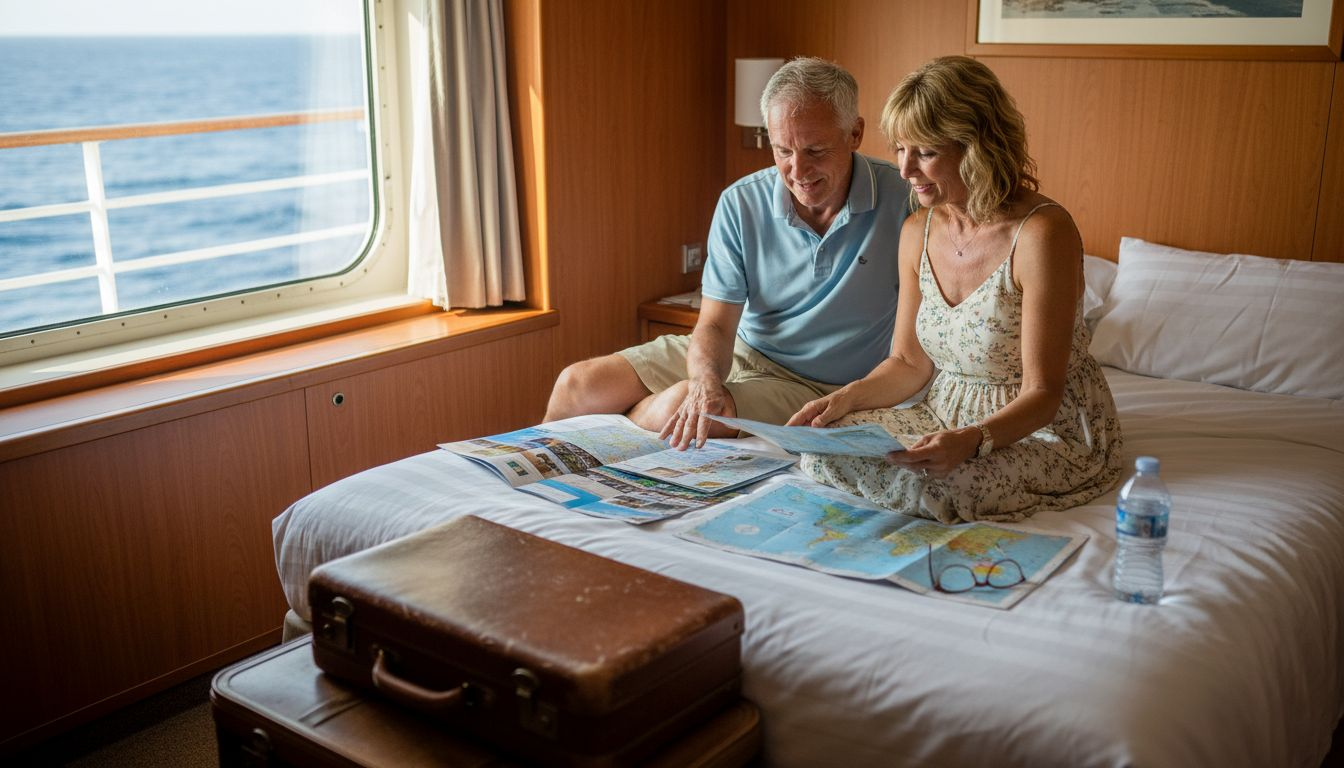
Booking your first cruise can stir up as many questions as it does excitement, especially when it comes to choosing the right cabin to suit your preferences. Traditional beliefs often paint cruise cabins as cramped or lacking in character, yet these engineered living spaces are designed for real comfort and function at sea. Understanding the diverse types, layouts, and location options helps European travelers avoid common myths and confidently pick a cabin that matches their unique travel style.
Table of Contents
- Defining Cruise Cabins And Common Myths
- Cruise Cabin Categories And Main Differences
- Features That Impact Comfort And Style
- Location, Accessibility, And Cabin Placement
- Costs, Pitfalls, And Upgrade Strategies
Key Takeaways
| Point | Details |
|---|---|
| Cruise Cabin Classification | Understanding the different categories of cabins—Interior, Ocean View, Balcony, and Suites—helps travelers choose based on budget and preferences. |
| Comfort and Design Factors | Key features like cabin location, natural light, and storage solutions greatly impact the comfort and overall experience onboard. |
| Cost Management Strategies | Being mindful of seasonal price fluctuations and exploring upgrade options can lead to better value and an enhanced cruise experience. |
| Requesting Layouts for Clarity | Always ask for a cabin layout before booking to better understand space configurations and any limitations. |
Defining cruise cabins and common myths
Cruise cabins are your home away from home during a maritime journey, serving as a private sanctuary aboard massive floating vessels. Unlike traditional hotel rooms, these compact living spaces are uniquely engineered to maximize comfort and functionality within limited square footage. Understanding the core characteristics of cruise cabins helps travelers set realistic expectations and make informed booking decisions.
Modern cruise cabins typically encompass several fundamental categories, each designed to accommodate different traveler preferences and budgets. The complexity of cruise ship accommodations extends far beyond simple sleeping quarters, offering nuanced options that cater to diverse passenger needs.
Common myths about cruise cabins often misrepresent their true nature and capabilities. Here are some prevalent misconceptions travelers should be aware of:
- Cabin Size Myth: Not all cruise cabins are cramped and uncomfortable
- Price Correlation: Higher price doesn’t always guarantee significantly more space
- Location Variability: Different ship areas offer distinct cabin experiences
- Amenity Assumptions: Standard amenities vary widely between cruise lines
Passengers frequently imagine cruise cabins as tiny, claustrophobic spaces reminiscent of budget hotel rooms. In reality, modern cruise ships invest heavily in designing functional, comfortable living spaces that maximize every square inch through intelligent design and smart storage solutions.
Cruise cabins are engineered living spaces, not just rooms – they’re carefully designed to provide maximum comfort in minimal square footage.
Pro tip: Always request a cabin layout diagram before booking to understand the exact configuration and potential space limitations.
Cruise cabin categories and main differences
Cruise ship cabins represent a diverse ecosystem of accommodation options, each designed to meet specific traveler preferences and budgets. Cruise ship cabin classifications typically encompass four primary categories that range from budget-friendly to luxurious living spaces, offering travelers unprecedented flexibility in choosing their ideal maritime home.
The four main cruise cabin categories provide distinctly different experiences:
- Interior Cabins: Windowless rooms, most affordable option
- Ocean View Cabins: Include natural light and external views
- Balcony Cabins: Private outdoor space with direct sea access
- Suites: Premium accommodations with expanded living areas
Each cabin category presents unique advantages and considerations. Interior cabins represent the most economical choice, perfect for budget-conscious travelers who plan to spend minimal time in their room. These windowless spaces are typically the smallest and most compact, located in the ship’s interior sections.
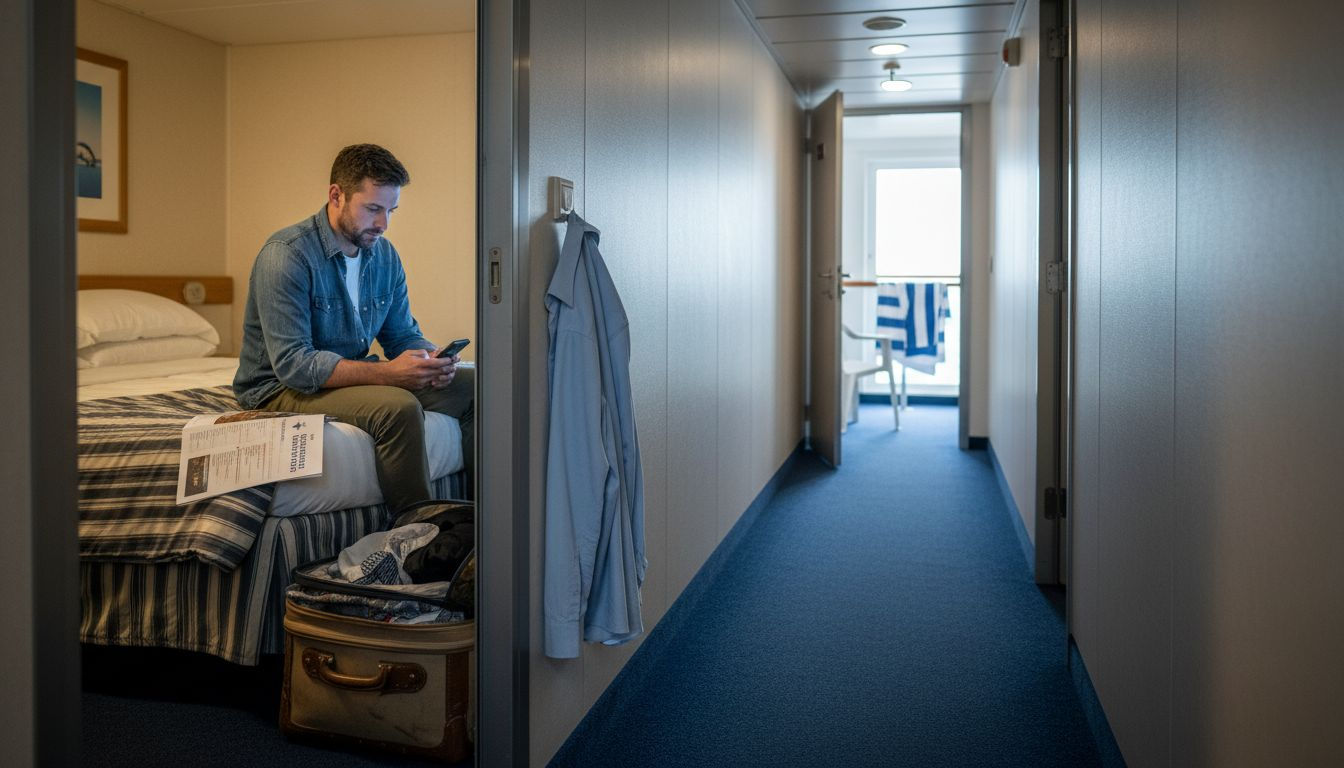
Ocean view and balcony cabins offer progressive improvements in space and external perspectives. Ocean view cabins provide natural light and a glimpse of the maritime landscape, while balcony cabins deliver private outdoor spaces where travelers can enjoy uninterrupted sea views and fresh ocean air.
Here’s a concise comparison of cruise cabin categories and who each is best suited for:
| Cabin Category | Typical Features | Ideal For |
|---|---|---|
| Interior | No windows, most affordable | Budget travelers, light packers |
| Ocean View | Window with ocean scenery | Scenic seekers, families |
| Balcony | Private outdoor area, views | Romantic trips, relaxation |
| Suite | Expansive space, luxury perks | Special occasions, groups |
Premium suites represent the pinnacle of cruise accommodation, offering spacious layouts, enhanced amenities, and often exclusive access to special ship areas.
Pro tip: Consider your travel style, budget, and desired experience when selecting a cabin category to ensure maximum vacation satisfaction.
Features that impact comfort and style
Cruise cabin comfort extends far beyond mere square footage, involving a complex interplay of design elements and strategic considerations. Cruise cabin comfort factors have evolved significantly, with modern cruise lines prioritizing passenger experience through innovative design and thoughtful amenities.
Key features that dramatically influence cabin comfort and style include:
- Cabin Location: Position on ship impacts noise levels and motion
- Natural Lighting: Window and balcony access affects psychological well-being
- Interior Design: Modern furnishings and smart layouts enhance spaciousness
- Noise Insulation: Sound-dampening technologies create peaceful environments
- Storage Solutions: Intelligent design maximizes limited space
Strategic cabin placement plays a crucial role in overall comfort. Cabins situated midship typically experience less movement, providing a more stable experience for passengers prone to motion sensitivity. Lower decks offer increased stability, while higher decks provide better views but potentially more movement during sailing.
Modern cruise lines are increasingly focusing on sustainable materials and innovative design solutions. Cabin design trends now emphasize multifunctional spaces, integrated technology, and personalized comfort zones that transform compact areas into flexible living environments.
Comfort is not about size, but about intelligent design that creates a sense of spaciousness and personal sanctuary.
Pro tip: Request a cabin midship and on a lower deck to minimize motion and maximize comfort during your cruise.
Location, accessibility, and cabin placement
Cruise ship cabin placement is a sophisticated science that balances passenger comfort, operational efficiency, and strategic design considerations. Cruise cabin location strategies involve intricate planning to ensure optimal passenger experiences across different ship areas.
Key factors influencing cabin location and accessibility include:
- Proximity to Elevators: Reduces walking distance for passengers
- Noise Level Considerations: Minimizing disturbances from public spaces
- Motion Sensitivity: Midship locations offer more stable experiences
- Accessibility Features: Compliance with disability access standards
- View and Natural Light: Positioning for maximum environmental exposure
Accessibility goes beyond physical location. Modern cruise ships design cabins with sophisticated considerations for passengers with diverse mobility needs. This includes wider doorways, roll-in showers, grab bars, and strategically placed electrical outlets to accommodate various mobility assistance devices.
The vertical and horizontal positioning of cabins plays a crucial role in passenger comfort. Midship and lower deck locations typically provide the most stable experience, reducing motion sensitivity and potential seasickness. Higher decks offer better views but may experience more pronounced ship movement during sailing.
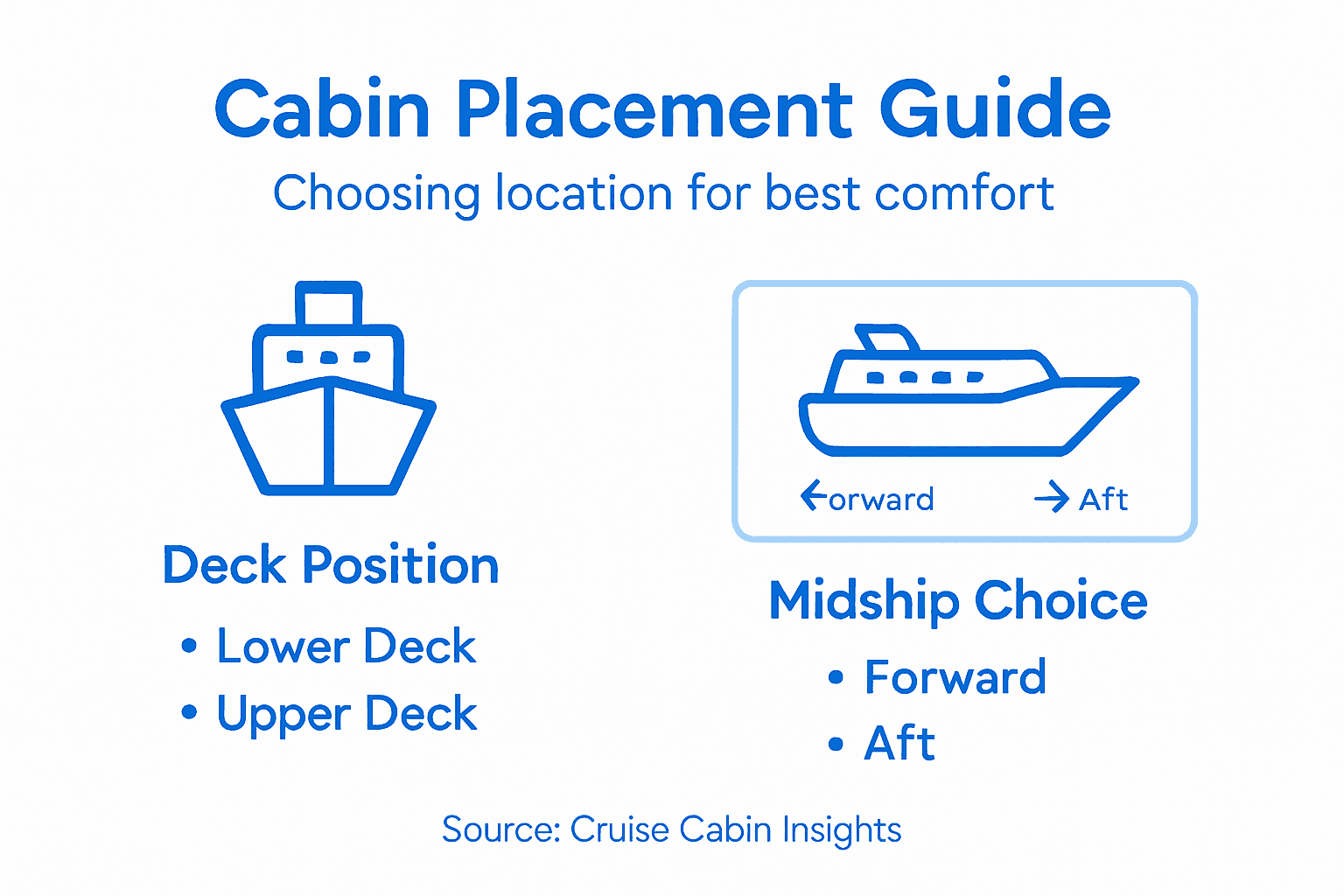
Use this table to understand how location and design impact cruise cabin comfort:
| Comfort Factor | Impact on Experience | Booking Consideration |
|---|---|---|
| Midship Location | Less motion, more stability | Reduces seasickness risk |
| Natural Lighting | Enhances mood, reduces cabin fatigue | Windows or balcony preferred |
| Deck Level | Lower decks = more stability | Lower levels for sensitive travelers |
| Accessibility Design | Easier navigation for limited mobility | Request accessible cabin |
Strategic cabin placement is an art form that balances passenger comfort, operational efficiency, and individual traveler preferences.
Pro tip: Request a cabin between decks 4-6 and midship for the most stable and comfortable cruise experience.
Costs, pitfalls, and upgrade strategies
Navigating cruise cabin costs requires a strategic approach that balances budget constraints with desired comfort levels. Cruise cabin upgrade strategies involve complex considerations beyond simple price comparisons, requiring travelers to understand the nuanced economics of maritime accommodations.
Common cost-related pitfalls for cruise cabin selection include:
- Unexpected Upgrade Fees: Hidden charges that inflate initial pricing
- Seasonal Price Fluctuations: Dramatic cost differences based on travel timing
- Booking Window Impact: Early versus last-minute pricing variations
- Amenity-Specific Surcharges: Additional costs for premium features
- Cabin Location Price Differentials: Significant price variations by ship positioning
Savvy travelers can leverage several strategies to maximize value and minimize expenses. Timing is crucial - booking during off-peak seasons or taking advantage of early booking promotions can result in substantial savings. Some cruise lines offer significant discounts for advance reservations, while others provide last-minute deals for unsold cabins.
Upgrade opportunities often emerge through strategic negotiation and flexible booking approaches. Cruise lines frequently offer complimentary or reduced-cost upgrades, particularly for loyal customers or during promotional periods. Understanding these potential pathways can transform a standard cabin selection into an exceptional value proposition.
Smart cabin selection is about understanding value, not just comparing raw prices.
Pro tip: Monitor price fluctuations and be prepared to negotiate, as cruise lines often have flexible upgrade policies that can benefit informed travelers.
Find Your Ideal Cruise Cabin with Ease and Confidence
Choosing the right cruise cabin can feel overwhelming with so many options and factors like cabin location, amenities, and price to consider. If you want to avoid uncertainty about interior versus balcony cabins or how location impacts comfort and seasickness, you are not alone. Many travelers struggle with understanding cabin categories and navigating hidden upgrade costs.
At ChooseCruise, we simplify this decision-making process by providing AI-powered recommendations tailored to your style and budget. Our platform tracks real-time deals and highlights the best cabins based on your preferences for natural light, motion sensitivity, and accessibility. Whether you seek a cozy interior cabin or a spacious suite, we help you book smarter and faster.
Ready to take the guesswork out of selecting your perfect cruise cabin? Explore expert insights and personalized options on ChooseCruise now. Discover how easy cruising can be when you book with confidence. Visit our homepage at ChooseCruise and start your smarter cruise journey today.
Frequently Asked Questions
What are the different types of cruise cabins?
Cruise cabins are generally categorized into four main types: Interior Cabins (windowless and most affordable), Ocean View Cabins (with windows and scenic views), Balcony Cabins (with private outdoor spaces), and Suites (luxurious accommodations with extra living space).
How do I choose the right cruise cabin for my needs?
Consider factors such as your budget, travel style, and desired experience. Interior cabins are best for budget travelers, while balcony cabins offer private outdoor areas, making them ideal for relaxing. Suites are perfect for those seeking luxury and extra amenities.
What factors impact the comfort of a cruise cabin?
Key comfort factors include cabin location, natural lighting, interior design, noise insulation, and storage solutions. Choosing a midship location can reduce motion sensitivity, while well-designed interiors enhance the sense of space.
Are there any additional costs associated with cruise cabins?
Yes, travelers should be aware of hidden upgrade fees, seasonal price fluctuations, and potential amenity-specific surcharges. Booking early or during off-peak times can also help minimize expenses.
Recommended
Related reading
7 Smart Ways to Save on Cruises for Modern Travelers
Discover 7 smart ways to save on cruises with easy, practical tips designed for today’s digital cruise travelers. Learn to maximize value and minimize costs.
Understanding Why Choose River Cruises for Travel Fun
Discover why choose river cruises as your next adventure. Explore their benefits, unique experiences, and how they enhance travel enjoyment.
Understanding the Best Cruise Lines for Beginners
Discover the best cruise lines for beginners, understanding what they offer and why they matter for first-time cruisers.