Cruise Dining Options Explained: Your Meal Strategy
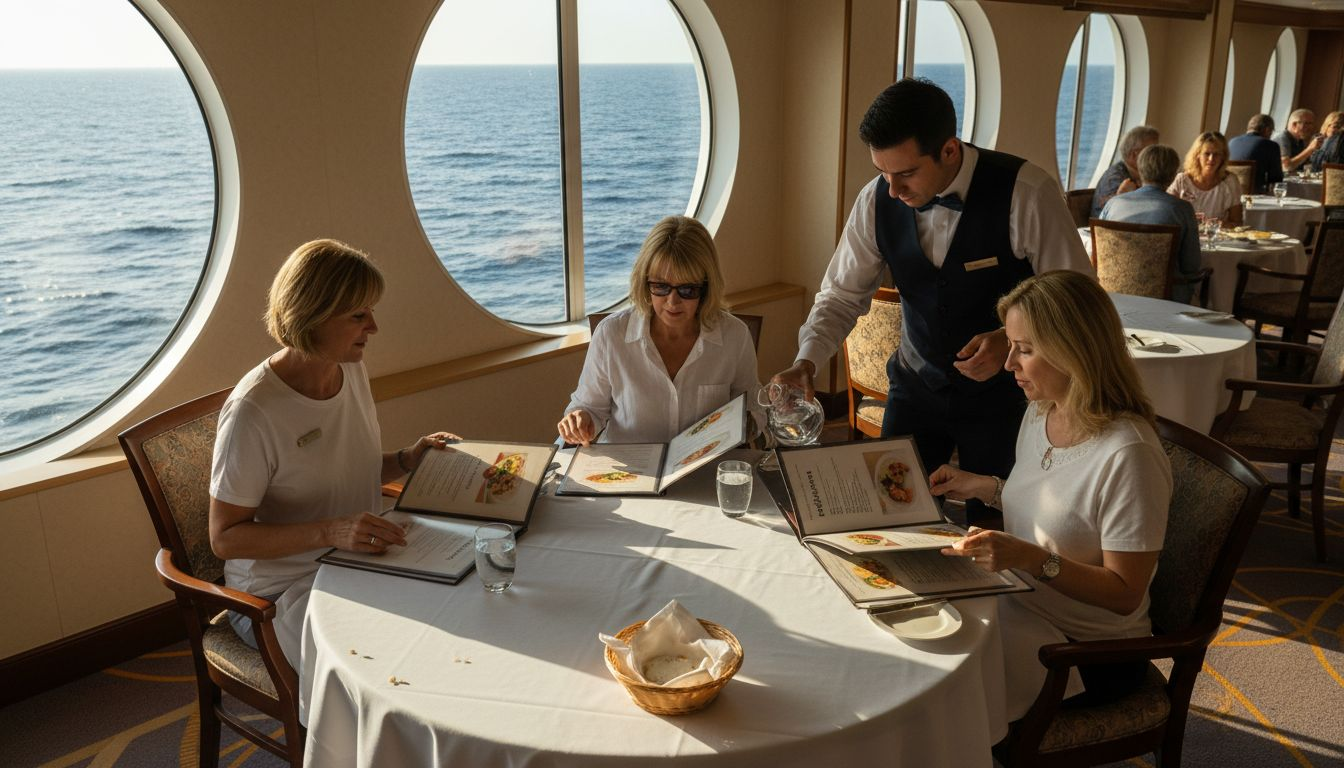
Choosing where and when to eat on a cruise can feel like building your perfect night out—except every option is just a quick walk away. Dining on modern ships now means enjoying a world of tastes, styles, and flexible schedules tailored to every preference. For European travelers planning their first voyage, the focus on personalized dining choices and mobile-friendly reservations makes it easier than ever to savor your cruise exactly as you want.
Table of Contents
- What Cruise Dining Really Means Today
- Types of Onboard Dining Venues Compared
- Flexible Dining Times Versus Traditional Seating
- Specialty Restaurants, Room Service, and Extra Costs
- Catering to Dietary Needs and Preferences
- Dining Mistakes and How to Avoid Them
Key Takeaways
| Point | Details |
|---|---|
| Modern Dining Experience | Cruise dining has evolved into a diverse culinary landscape offering personalization and flexibility. Passengers enjoy a variety of dining styles from casual buffets to upscale specialty restaurants. |
| Dining Scheduling Options | Travelers can choose between traditional assigned seating and flexible dining options, catering to different preferences and travel styles. Advanced booking is recommended for specialty dining. |
| Dietary Accommodations | Contemporary cruise lines cater to various dietary needs, including gluten-free, vegetarian, and allergen-free options, ensuring personalized dining experiences. Communication with dining staff is essential for smooth accommodations. |
| Avoiding Dining Mistakes | First-time cruisers should be aware of common pitfalls, such as not making reservations early or misunderstanding dining costs. Strategic planning is key to maximizing onboard dining satisfaction. |
What Cruise Dining Really Means Today
Cruise dining has transformed dramatically from the traditional sit-down meals of decades past. Modern cruise lines now offer an expansive culinary landscape that rivals top urban restaurant districts, providing travelers with unprecedented dining flexibility and choice.
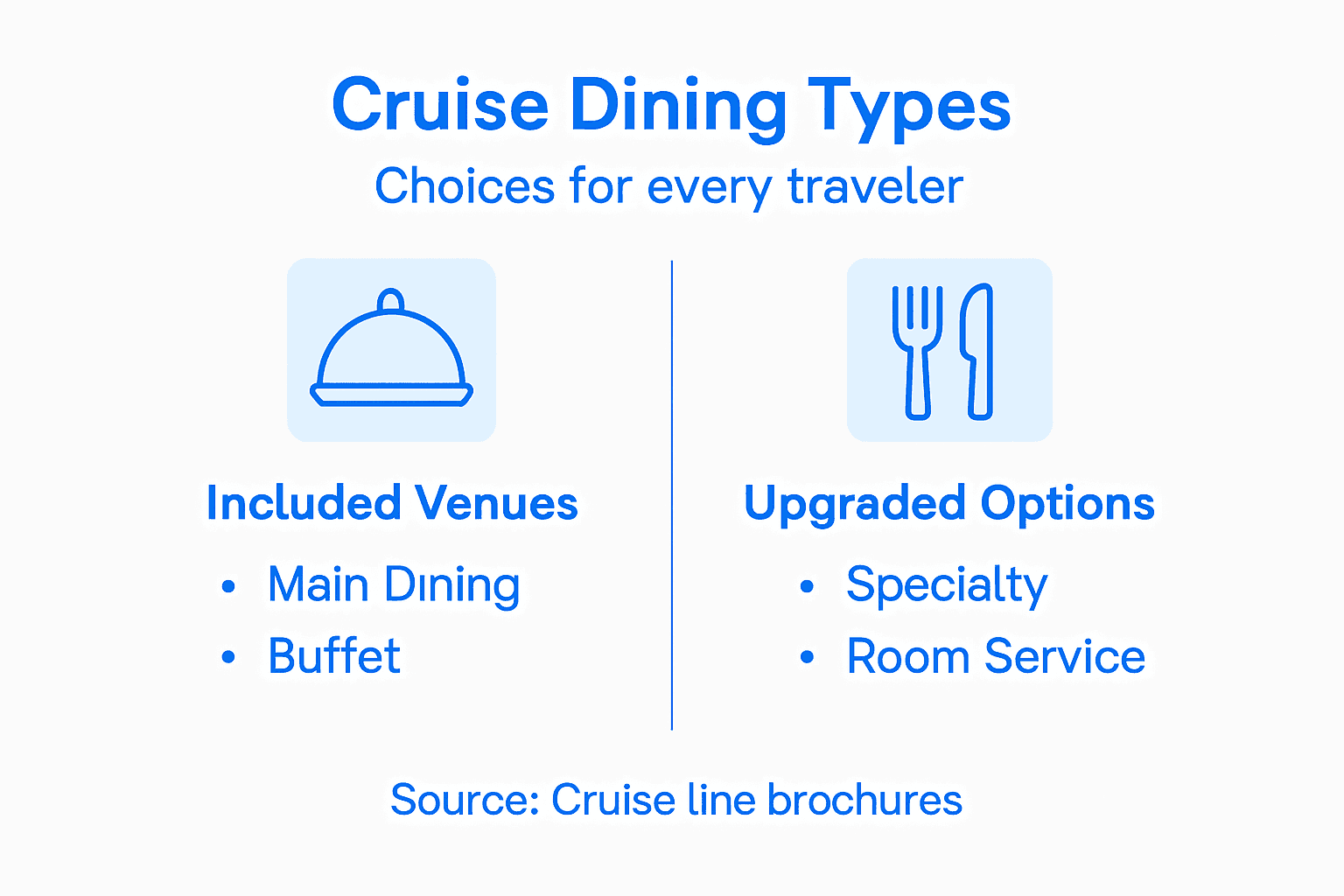
Today’s cruise dining experience is about personalization and variety. Cruise ship food has evolved from predictable buffets to sophisticated global cuisine experiences. Passengers can now select from multiple dining styles within a single voyage:
- Complimentary main dining rooms with traditional multi-course meals
- Casual buffet restaurants offering quick and diverse options
- Specialty themed restaurants featuring global cuisines
- Healthy and dietary-specific meal options
- Fast-casual dining venues
- Upscale gourmet restaurants (often with additional charges)
The dining experience has become a critical part of cruise vacation planning. Modern cruise lines understand that food isn’t just sustenance—it’s entertainment, cultural exploration, and a core aspect of travel enjoyment. Guests can now enjoy everything from quick pizzas to multi-course French cuisine, often within walking distance of each other.
Flexible dining strategies have replaced rigid meal schedules. Many cruise lines now offer:
- Open seating times
- Multiple restaurant choices
- Digital reservation systems
- Customizable meal experiences
Modern cruise dining transforms meals from a necessity into a memorable journey of culinary discovery.
Pro tip: Always review your cruise line’s dining options before booking to ensure they match your personal preferences and dietary requirements.
Types of Onboard Dining Venues Compared
Cruise ships have transformed dining into a comprehensive culinary experience with multiple venue types designed to satisfy every passenger’s taste and preference. From casual to elegant, these dining options provide unparalleled variety and flexibility throughout your voyage.
Passengers can choose from several distinct dining categories, each offering unique atmospheres and culinary styles. First-time cruise dining tips highlight the importance of understanding these different restaurant types before embarking.
Main Dining Room Venues:
- Traditional multi-course meals
- Assigned seating times
- Complimentary dining
- Formal evening dress codes
- Rotating menu selections
Specialty Restaurant Types:
- Upscale gourmet restaurants
- International cuisine venues
- Themed dining experiences
- Chef-curated menus
- Additional per-person charges
Casual dining options have significantly expanded, offering more relaxed and flexible eating environments. Buffet restaurants, poolside grills, and quick-service cafes provide alternatives to structured meal experiences. These venues cater to travelers wanting faster, more informal dining without compromising on quality.
Casual Dining Options:
Here’s a side-by-side look at how major cruise dining venues differ in key features:
| Dining Venue Type | Atmosphere | Cost Range | Typical Dress Code |
|---|---|---|---|
| Main Dining Room | Formal, structured | Included in fare | Smart casual or formal |
| Specialty Restaurant | Intimate, upscale | $20-$100+ per person | Business casual to formal |
| Casual/Quick Service | Relaxed, informal | Included or small fee | Casual attire |
| Buffet | Self-serve, lively | Included in fare | Resort casual |
- Buffet restaurants
- Poolside food stations
- 24-hour pizza and snack bars
- Coffee shops
- Grab-and-go counters
Cruise dining venues are designed to create memorable culinary experiences that go far beyond simple meal service.
Pro tip: Research your specific cruise line’s dining venues in advance and consider making specialty restaurant reservations early to secure preferred seating times.
Flexible Dining Times Versus Traditional Seating
Dining preferences have dramatically evolved in cruise travel, with modern ships offering two distinct approaches to meal scheduling: traditional assigned seating and flexible dining options. These approaches represent fundamentally different philosophies about how travelers experience onboard meals.
Cruise dining experiences reveal significant differences between these dining styles. Traditional Dining characteristics include:
- Preset dining times (typically 5:30 PM or 8:00 PM)
- Assigned table and waitstaff for entire cruise
- Consistent dining companions
- Predictable meal scheduling
- Formal dining atmosphere
Flexible Dining offers contrasting benefits:
- Dine whenever you want during restaurant hours
- No fixed seating assignments
- Freedom to change restaurants
- Spontaneous meal planning
- Less structured dining experience
The choice between traditional and flexible dining depends on personal travel style and preferences. Some cruisers appreciate the familiarity of traditional dining, where they build relationships with servers and tablemates. Others prefer the autonomy of flexible dining, which allows more spontaneity and exploration.
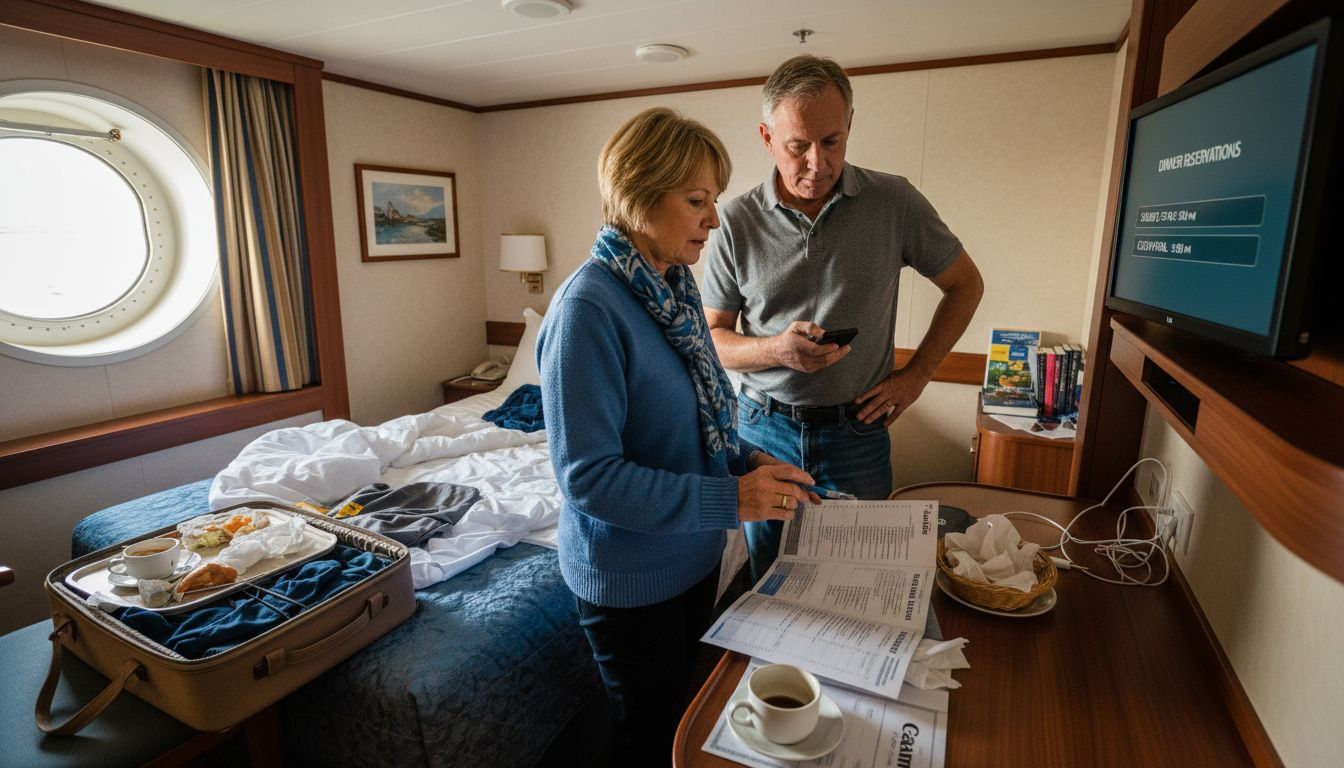
Comparative Dining Approaches:
Compare your cruise dining scheduling options at a glance:
| Dining Style | Booking Flexibility | Social Interaction Level | Ideal For |
|---|---|---|---|
| Traditional | Fixed times, pre-set | Consistent companions | Routine-focused guests |
| Flexible | Choose any time, walk-in | Varies, more diverse | Spontaneous travelers |
| Hybrid | Mix of both | Flexible, your choice | Those wanting variety |
- Traditional: Structured and predictable
- Flexible: Casual and adaptable
- Hybrid: Some cruise lines offer mixed options
Dining scheduling can significantly impact your overall cruise experience and satisfaction.
Pro tip: Consider your personal dining preferences and schedule flexibility when selecting your cruise line’s dining option.
Specialty Restaurants, Room Service, and Extra Costs
Cruise dining extends far beyond complimentary main dining rooms, offering passengers a range of premium dining experiences with unique pricing structures. Understanding these additional dining options can help travelers budget and plan their onboard culinary adventures more effectively.
Cruise dining strategy reveals that specialty restaurants represent a premium tier of onboard dining. These exclusive venues offer:
- Unique and sophisticated menu selections
- Higher-end culinary experiences
- Limited seating availability
- Professional chef-curated menus
- Additional per-person charges
Room Service Options:
- 24-hour availability on most cruise lines
- Complimentary basic menu items
- Late-night service with potential small fees
- In-room dining convenience
- Special occasion meal arrangements
The cost of specialty dining varies significantly between cruise lines. Prices typically range from $20 to $75 per person, depending on the restaurant’s concept, cuisine type, and overall exclusivity. Some cruise packages include complimentary visits to specialty restaurants, while others require separate reservations and payments.
Specialty Dining Cost Tiers:
- Budget-friendly options ($20-$35)
- Mid-range gourmet experiences ($35-$50)
- Ultra-premium dining ($50-$75)
- Exclusive chef’s table experiences (often $100+)
Advance booking and strategic planning can help maximize your dining experiences while managing additional costs.
Pro tip: Book specialty restaurants early in your cruise to secure preferred times and avoid disappointment with limited availability.
Catering to Dietary Needs and Preferences
Modern cruise lines have dramatically transformed their approach to dietary accommodations, recognizing the diverse nutritional requirements and preferences of contemporary travelers. No longer are passengers limited to one-size-fits-all meal options, but instead can expect personalized dining experiences that respect individual dietary needs.
Cruise ship dining options now comprehensively address a wide range of dietary restrictions and preferences. Dietary Accommodation Categories include:
- Gluten-free meal preparations
- Vegetarian and vegan menu selections
- Low-sodium and heart-healthy options
- Religious dietary restriction menus
- Allergen-free meal alternatives
Communication Strategies for Dietary Needs:
- Notify cruise line during booking
- Confirm dietary requirements with dining staff
- Request menu consultations in advance
- Ask about cross-contamination prevention
- Discuss specific ingredient concerns
Modern cruise lines have developed sophisticated protocols to ensure safe and satisfying dining experiences for passengers with unique dietary requirements. Professional culinary teams are trained to handle complex nutritional needs, preparing specialized meals that do not compromise taste or presentation.
Dietary Accommodation Process:
- Initial dietary requirement notification
- Pre-cruise menu consultation
- Onboard meal customization
- Daily dietary staff communication
- Continuous menu adaptation
Proactive communication is the key to ensuring a seamless and enjoyable dining experience for passengers with specific dietary needs.
Pro tip: Contact the cruise line’s special dietary department at least 45 days before your cruise to ensure comprehensive meal planning and accommodation.
Dining Mistakes and How to Avoid Them
Navigating cruise dining successfully requires strategic planning and awareness of potential pitfalls that can derail your culinary experience. First-time cruisers often encounter unexpected challenges that can turn exciting dining opportunities into frustrating moments.
Cruise dining mistakes frequently stem from lack of preparation and understanding. Common Dining Mistakes include:
- Failing to make specialty restaurant reservations early
- Misunderstanding included versus extra dining costs
- Disregarding specific venue dress codes
- Overlooking dietary accommodation options
- Not understanding peak dining times
Strategic Dining Avoidance Techniques:
- Book specialty restaurants immediately after boarding
- Review complete dining package details
- Understand dress code requirements
- Communicate dietary needs in advance
- Learn peak dining hour patterns
Timing plays a critical role in maximizing dining experiences. Popular restaurants fill quickly, and peak dining hours can create significant wait times and crowded environments. Experienced cruisers strategically plan their meal schedules to avoid unnecessary delays and ensure optimal dining experiences.
Dining Schedule Optimization:
- Research restaurant popularity beforehand
- Make early reservations
- Consider alternative dining times
- Explore less crowded venues
- Be flexible with meal scheduling
Understanding cruise dining nuances can transform your onboard culinary journey from potential frustration to pure enjoyment.
Pro tip: Download your cruise line’s dining reservation app or contact their dining concierge within 24 hours of boarding to secure your preferred restaurant times.
Simplify Your Cruise Dining Experience with ChooseCruise
Choosing the perfect cruise dining options can feel overwhelming with so many styles, schedules, and specialty venues to consider. Whether you prefer traditional dining with assigned times or the freedom of flexible meal plans, understanding your preferences is key to enjoying a seamless cruise vacation. The article highlights challenges like managing specialty restaurant reservations, navigating dietary needs, and balancing dining costs — all while aiming for a personalized culinary journey.
At ChooseCruise we help you cut through the confusion by offering an intuitive booking platform designed for digital-first travelers. Our AI-powered recommendations guide you to cruises matching your dining style, budget, and schedule flexibility. Get real-time updates on availability at specialty restaurants and easy access to dining details that matter most. Start your cruise planning with confidence and secure your ideal dining experience early by visiting ChooseCruise. You can also explore expert advice on cruise dining tips for first-time cruisers to make the most of every meal onboard.
Don’t let dining doubts hold back your vacation joy. Book smarter today and savor every moment of your cruise dining adventure with ChooseCruise.
Frequently Asked Questions
What are the main dining options available on modern cruise ships?
Modern cruise ships offer a variety of dining options including complimentary main dining rooms, casual buffet restaurants, specialty themed restaurants, healthy meal options, fast-casual venues, and upscale gourmet restaurants, often with additional fees.
How do flexible dining options differ from traditional dining on cruise ships?
Flexible dining allows passengers to eat at any time during designated restaurant hours without fixed seating assignments, while traditional dining features preset seating times and assigned tables with consistent dining companions throughout the cruise.
What should I know about specialty dining on cruises?
Specialty dining on cruises includes upscale culinary experiences with unique menus often created by professional chefs. These restaurants typically charge an additional fee, ranging from $20 to $100+ per person, and reservations are highly recommended to secure preferred times.
How can passengers accommodate specific dietary needs while cruising?
Cruise lines now accommodate various dietary needs such as gluten-free, vegetarian, vegan, and allergen-free meals. Passengers should notify the cruise line during booking and confirm their requirements with dining staff to ensure a personalized dining experience.
Recommended
Related reading
7 Smart Ways to Save on Cruises for Modern Travelers
Discover 7 smart ways to save on cruises with easy, practical tips designed for today’s digital cruise travelers. Learn to maximize value and minimize costs.
Understanding Why Choose River Cruises for Travel Fun
Discover why choose river cruises as your next adventure. Explore their benefits, unique experiences, and how they enhance travel enjoyment.
Understanding the Best Cruise Lines for Beginners
Discover the best cruise lines for beginners, understanding what they offer and why they matter for first-time cruisers.