Cruise Itinerary Options Explained: Find Your Best Fit

Sorting through endless cruise itinerary options can quickly drain your energy, especially when every route promises something unique and unforgettable. For tech-savvy European travelers planning their first cruise, the choice is more than just picking destinations. Research shows cruise companies use advanced algorithms and strategic planning to balance customer preferences, seasonal demand, and route complexity for personalized itinerary choices. Discover how understanding these key features helps you find real-time deals tailored to your travel style and decision-making needs.
Table of Contents
- What Makes A Cruise Itinerary Option
- Major Types Of Cruise Routes Worldwide
- Key Features Of Personalized Itineraries
- Seasonality And Destination Timing Factors
- Hidden Costs, Risks, And Common Pitfalls
- Alternatives To Traditional Cruise Itineraries
Key Takeaways
| Point | Details |
|---|---|
| Cruise Itineraries Are Complex | They balance customer preferences, operational constraints, and economic efficiency, utilizing sophisticated models for optimization. |
| Understanding Route Types Is Essential | Different cruise types, such as Ocean, River, and Expedition Cruises, cater to various traveler interests and experiences. |
| Personalization Enhances Experiences | Tailored itineraries consider individual preferences, offering flexible activities and customized port selections. |
| Be Aware of Hidden Costs | Travelers should anticipate additional charges and potential risks to avoid unexpected financial surprises during their cruise. |
What Makes a Cruise Itinerary Option
A cruise itinerary is far more complex than simply selecting destinations. It represents a carefully engineered travel experience that balances customer preferences, operational constraints, and strategic commercial considerations. Cruise line operational dynamics reveal that these routes are meticulously designed to optimize customer satisfaction while maintaining economic efficiency.
The core components of a cruise itinerary typically include:
- Destination Selection: Ports and regions that offer unique attractions
- Duration: Length of entire cruise and individual port stops
- Seasonal Considerations: Weather patterns and peak tourism periods
- Port Accessibility: Technical feasibility of vessel docking
- Customer Demographics: Tailored experiences for specific traveler segments
Cruise companies employ sophisticated mathematical models to craft these routes. Optimization strategies for cruise scheduling demonstrate how advanced algorithms help determine the most appealing and cost-effective itineraries. These models consider multiple variables like fuel consumption, port expenses, tourist attractions, and potential revenue generation.
Understanding these intricacies helps travelers recognize that a cruise itinerary is not just a list of destinations, but a carefully orchestrated journey designed to maximize enjoyment and operational efficiency. Each route represents a delicate balance between customer experience and logistical pragmatism.
Pro tip: Research cruise itineraries that align with your personal interests and travel style, considering factors beyond just destinations, such as onboard activities and overall route complexity.
Major Types of Cruise Routes Worldwide
Cruise routes encompass a diverse range of travel experiences that cater to different traveler preferences and geographical landscapes. Global cruise market categorizations reveal several distinct types of routes that offer unique adventures and exploration opportunities for travelers worldwide.
The primary types of cruise routes include:
- Ocean Cruises: Traditional long-distance voyages across major maritime regions
- River Cruises: Intimate journeys through inland waterways and historical regions
- Expedition Cruises: Adventure-focused routes targeting remote or ecologically significant destinations
- Repositioning Cruises: Strategic routes that relocate vessels between seasonal markets
- World Cruises: Extended, comprehensive journeys spanning multiple continents
Cruise route operational dynamics demonstrate how these routes are strategically designed to balance customer expectations with operational efficiency. The Caribbean and Mediterranean regions represent prime examples of well-established cruise markets, offering consistently popular routes that attract millions of travelers annually.
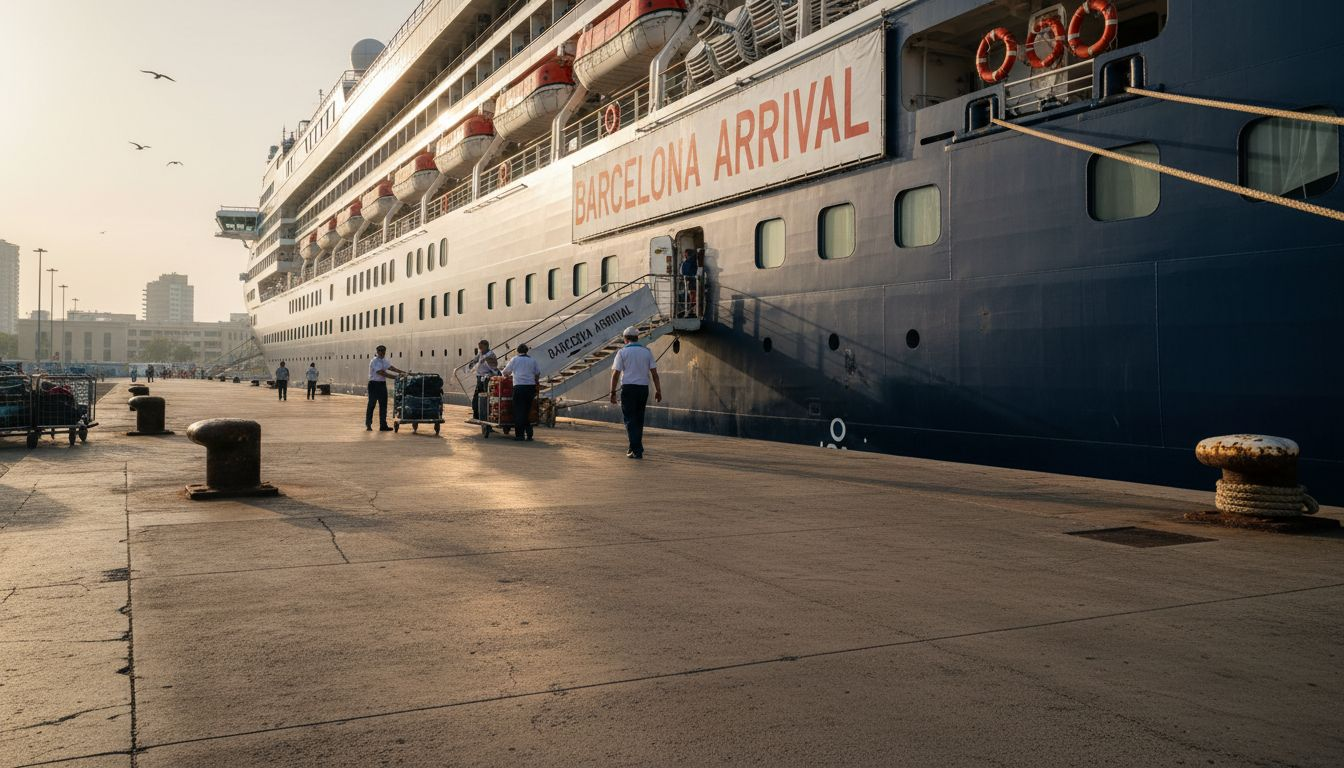
Understanding the nuanced differences between cruise route types helps travelers select experiences that align with their personal interests, travel style, and comfort level. Each route type offers a distinct perspective on global destinations, from leisurely ocean voyages to immersive cultural expeditions.
Here’s a comparison of major cruise route types to help you select the best fit:
| Route Type | Typical Duration | Passenger Experience | Example Regions |
|---|---|---|---|
| Ocean Cruise | 7–14 days | Leisure, sightseeing | Caribbean, Mediterranean |
| River Cruise | 5–10 days | Cultural, intimate | Danube, Mississippi |
| Expedition Cruise | 7–21 days | Adventure, wilderness | Antarctica, Galápagos |
| Repositioning Cruise | 10–20 days | Value, unique ports | Atlantic crossing, Suez |
| World Cruise | 80–120+ days | In-depth global travel | Multi-continent itineraries |
Pro tip: Consider your travel preferences, comfort level, and desired level of adventure when selecting a cruise route type to ensure the most satisfying vacation experience.
Key Features of Personalized Itineraries
Personalized cruise itineraries represent a sophisticated approach to travel planning that goes far beyond traditional one-size-fits-all vacation packages. Personalized cruise itinerary development explores the complex process of creating tailored experiences that meet individual passenger preferences while balancing operational constraints.
The key features of a truly personalized cruise itinerary typically include:
- Customized Port Selection: Destinations matching traveler interests
- Flexible Activity Options: Multiple onboard and shore excursion choices
- Preference Tracking: Advanced systems that remember individual passenger preferences
- Dynamic Scheduling: Adaptable timelines that accommodate personal rhythms
- Personalization Technology: AI-powered recommendation engines
Modern cruise lines are increasingly leveraging sophisticated algorithms to create more nuanced travel experiences. These systems analyze multiple data points including previous travel history, demographic information, and real-time preferences to craft unique journey recommendations that feel intimately tailored to each traveler.
The ultimate goal of personalized itineraries is to transform generic travel experiences into memorable, individually crafted adventures that resonate with each passenger’s distinct interests and expectations. By understanding and anticipating traveler needs, cruise lines can create more engaging and satisfying vacation experiences.
Pro tip: Request a personalized preference survey before your cruise to help onboard systems better understand and anticipate your specific vacation desires.
Seasonality and Destination Timing Factors
Cruise seasonality represents a complex interplay of operational strategy, passenger preferences, and geographic considerations. Cruise ship repositioning strategies reveal how cruise lines strategically navigate global markets to maximize efficiency and passenger experience throughout the year.
Key seasonal factors affecting cruise itineraries include:
- Temperature and Climate: Optimal weather conditions for specific destinations
- Tourist Peak Seasons: High and low demand periods in different regions
- Cultural Events: Festivals, holidays, and local celebrations
- Wildlife Migration Patterns: Unique natural experiences tied to specific months
- Port Accessibility: Variations in navigation conditions across seasons
Itinerary optimization models demonstrate that cruise lines carefully balance multiple variables when designing seasonal routes. The Caribbean, for instance, experiences peak tourism during winter months, while Mediterranean routes are most popular during summer, leading to strategic vessel deployment and schedule adjustments.
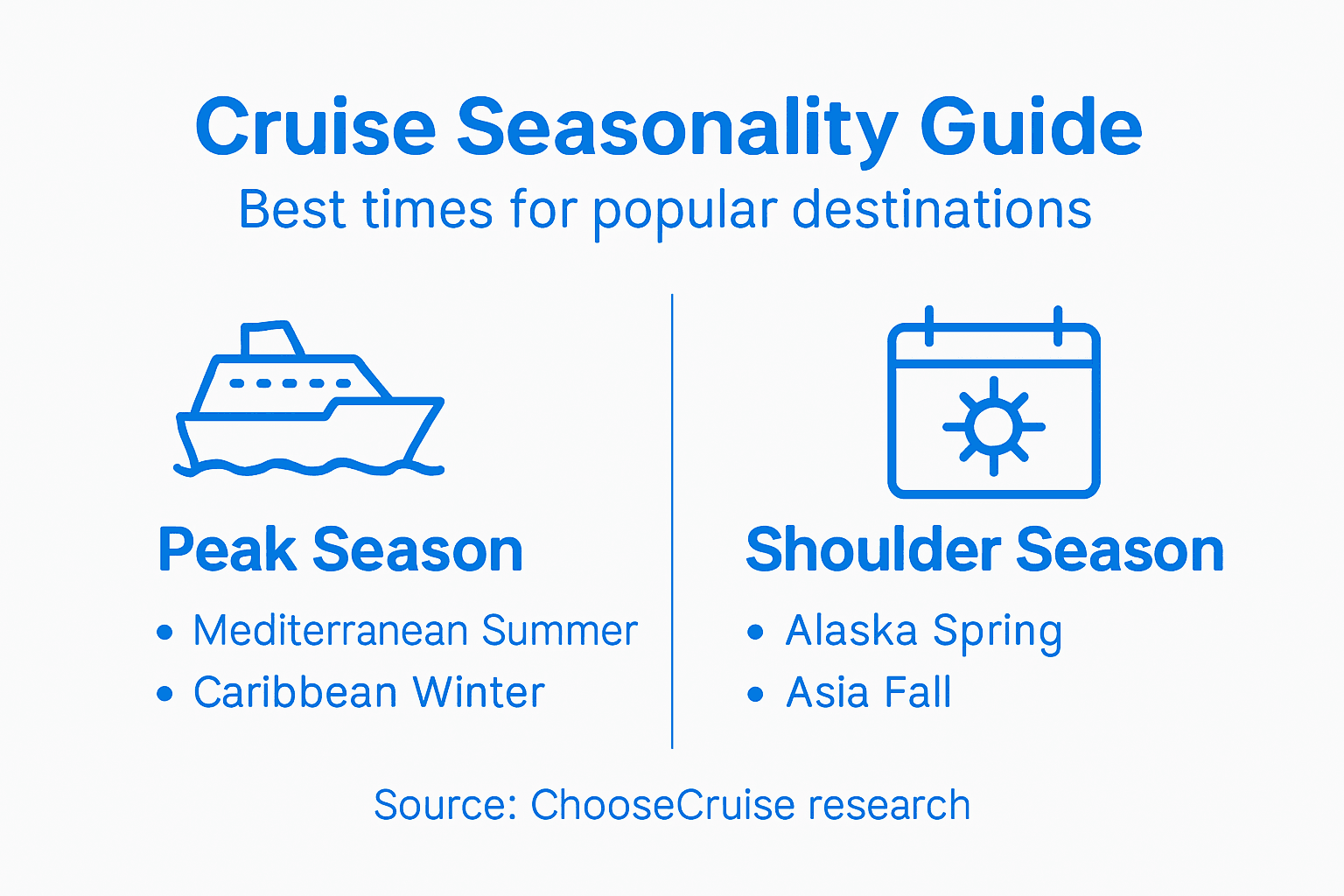
Understanding these seasonal nuances helps travelers select the most suitable cruise experiences. Each destination has a unique rhythm, with certain times offering superior experiences based on weather, local events, and natural phenomena. Cruise lines leverage sophisticated algorithms to predict and capitalize on these seasonal variations, creating itineraries that maximize passenger satisfaction and operational efficiency.
Pro tip: Research destination-specific seasonal characteristics before booking to ensure your cruise aligns with the most favorable travel conditions and experiences.
Hidden Costs, Risks, and Common Pitfalls
Cruise itineraries often conceal financial and experiential complexities that can significantly impact traveler satisfaction. Cruise ship itinerary investigation reveals the multifaceted challenges travelers encounter when selecting and experiencing cruise routes.
Common hidden costs and risks include:
- Port Fees: Unexpected additional charges not reflected in initial pricing
- Onboard Expenses: Supplemental charges for premium dining, activities, and services
- Excursion Costs: Often expensive shore trip prices
- Gratuity Expectations: Mandatory service charges not always transparent
- Travel Insurance Gaps: Potential coverage limitations for cruise-specific scenarios
Travelers frequently underestimate the complexity of cruise pricing structures. Some risks extend beyond financial considerations, encompassing potential scheduling disruptions, limited port exploration times, and unexpected itinerary modifications that can dramatically alter travel experiences.
Navigating these potential pitfalls requires thorough research and careful planning. Experienced cruisers recommend detailed cost analysis, comprehensive travel insurance, and maintaining flexibility in expectations to mitigate potential disappointments and unexpected expenses.
For reference, the following table summarizes common hidden costs and risks travelers should budget for on cruises:
| Expense or Risk | Impact | Prevention Strategies |
|---|---|---|
| Port Fees | Higher total costs | Review contract, ask agent |
| Onboard Services | Unexpected spending | Set daily budget limits |
| Excursion Prices | Major cost increase | Book independently if possible |
| Mandatory Gratuities | Surprise charges | Confirm policy pre-cruise |
| Insurance Gaps | Travel disruption risk | Purchase comprehensive coverage |
Pro tip: Create a comprehensive budget spreadsheet that includes potential hidden costs and allocate a 15-20% contingency fund for unexpected cruise-related expenses.
Alternatives to Traditional Cruise Itineraries
Cruise travel is evolving beyond conventional ocean routes, offering travelers increasingly diverse and specialized experiences. Innovative cruise itinerary trends reveal a growing range of alternatives that cater to specific interests and travel styles, moving far beyond the traditional ship-based vacation model.
Emergent cruise alternatives include:
- River Cruises: Intimate journeys through inland waterways
- Expedition Cruises: Adventure-focused trips to remote destinations
- Themed Voyages: Specialized cruises centered on specific interests
- Cultural Immersion Cruises: Deep-dive experiences into local traditions
- Multi-Modal Travel Experiences: Combining cruise segments with land-based exploration
Emerging market cruise preferences demonstrate that modern travelers seek more personalized, experiential journeys. These alternative itineraries often provide deeper connections to destinations, more meaningful cultural interactions, and opportunities for unique, specialized experiences that traditional cruises cannot match.
The shift towards alternative cruise experiences reflects broader changes in travel preferences, with travelers prioritizing authentic, immersive, and customized journeys over standardized vacation packages. Each alternative cruise type offers distinct advantages, allowing travelers to select experiences that precisely match their interests, activity levels, and exploration goals.
Pro tip: Research niche cruise experiences that align with your specific interests, whether it’s wildlife photography, culinary exploration, or historical research, to create a truly personalized travel adventure.
Find Your Perfect Cruise Itinerary with ChooseCruise
The article highlights the complexity of selecting a cruise itinerary that truly matches your interests while balancing hidden costs, seasonal timing, and personalized features. If you feel overwhelmed by too many choices or unclear about the best route type for your travel style, you are not alone. Key pain points like navigating diverse cruise route types, understanding seasonal factors, and avoiding unexpected expenses can make planning stressful.
ChooseCruise is designed precisely for travelers like you who want a smarter way to explore personalized cruise options. Our AI-powered recommendations and real-time price tracking simplify discovering the perfect itinerary that fits your preferences, budget, and schedule. Whether you seek an ocean adventure, a river cruise, or an expedition, our platform helps you find the right fit with confidence and less effort.
Explore smarter cruise planning with ChooseCruise
Ready to skip confusion and book the cruise itinerary that suits you best? Visit ChooseCruise now to access interactive itineraries and personalized suggestions designed to match your unique travel goals. Experience the faster, smarter way to plan your next cruise vacation today.
Frequently Asked Questions
What factors should I consider when choosing a cruise itinerary?
Consider destination selection, duration, seasonal timing, port accessibility, and customer demographics to find an itinerary that matches your interests and preferences.
How do personalized cruise itineraries work?
Personalized cruise itineraries tailor experiences based on individual preferences, incorporating customized port selections, flexible activity options, and advanced technology for tracking passenger desires.
What are the main types of cruise routes available?
The main types of cruise routes include ocean cruises, river cruises, expedition cruises, repositioning cruises, and world cruises, each offering unique experiences to cater to different traveler preferences.
What hidden costs should I be aware of when booking a cruise?
Be mindful of port fees, onboard expenses, excursion costs, mandatory gratuities, and potential gaps in travel insurance that could affect your overall cruise budget.
Recommended
Related reading
7 Smart Ways to Save on Cruises for Modern Travelers
Discover 7 smart ways to save on cruises with easy, practical tips designed for today’s digital cruise travelers. Learn to maximize value and minimize costs.
Understanding Why Choose River Cruises for Travel Fun
Discover why choose river cruises as your next adventure. Explore their benefits, unique experiences, and how they enhance travel enjoyment.
Understanding the Best Cruise Lines for Beginners
Discover the best cruise lines for beginners, understanding what they offer and why they matter for first-time cruisers.