Cruise Itinerary Planning Workflow: First-Timer’s Guide

TL;DR:
- A cruise itinerary planning workflow requires defining your travel goals first before selecting destinations, ships, and cabins. Following a five-stage process makes decision-making easier and helps avoid overspending or fatigue. Balancing sea days and port stops and accounting for extra costs ensures an enjoyable, budget-conscious trip.
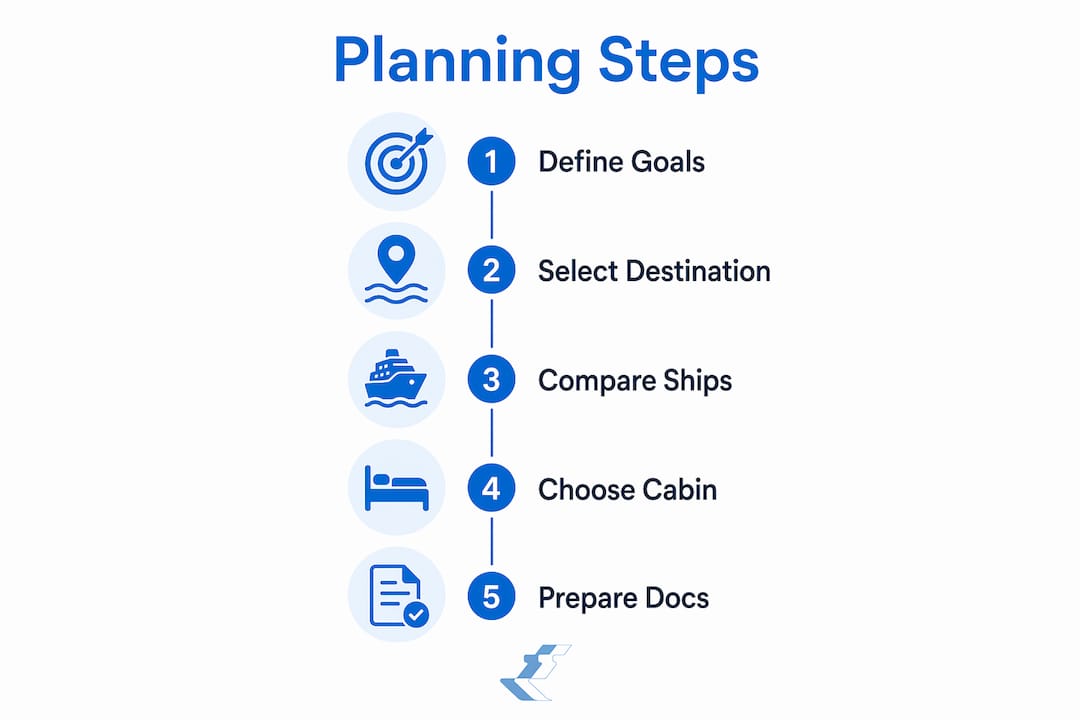
A cruise itinerary planning workflow is the structured process of defining your travel goals first, then selecting destinations, cruise lines, cabins, and budgeting to build a vacation that fits your life. Most first-time cruisers skip this sequence and end up overpaying for ship features they never use. A step-by-step planning approach changes that. The five-stage framework used by experienced cruise planners covers goal-setting, destination selection, ship comparison, cabin choice, and logistics prep. Follow it in order, and every decision becomes easier.
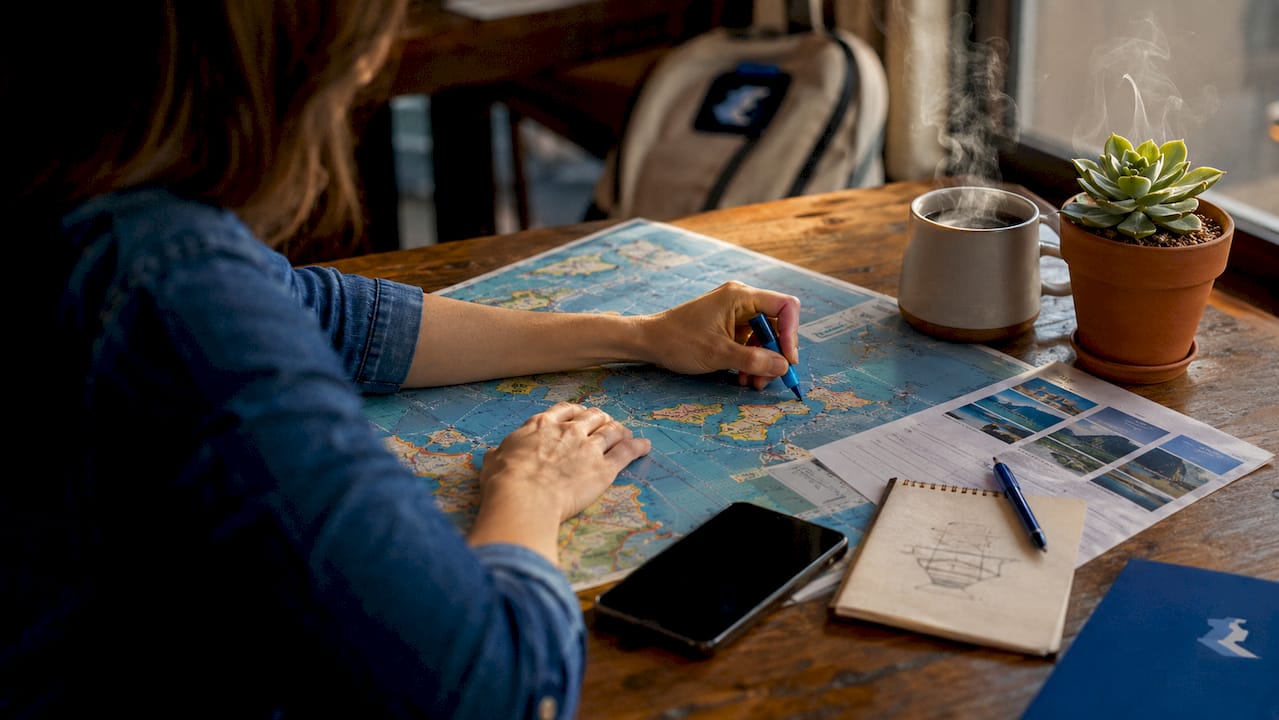
What are the essential steps in a cruise itinerary planning workflow?
The recommended cruise planning workflow starts with defining your travel goals before you look at a single ship. That sequence matters because your goals determine everything else: the region, the cruise line, the cabin category, and the budget ceiling.
Step 1: Define your travel goals. Ask yourself what kind of vacation you actually want. Do you want to explore multiple countries in one trip? Relax on deck with minimal commitments? Travel with kids who need a waterslide? Your answers eliminate roughly half the available options before you spend a minute comparing prices.
Step 2: Select your destination and itinerary. Match your goals to a region and a season. The Caribbean runs year-round, but hurricane season (june through november) brings lower prices and higher weather risk. The Mediterranean peaks in summer. Alaska is best from may through september. Seasonality affects both cost and experience, so pick the window that fits your schedule and risk tolerance.
Step 3: Compare cruise lines and ships. Not all cruise lines serve the same traveler. Some focus on families with large entertainment complexes. Others target adults with quieter ships and culinary programs. Once you know your destination, compare cruise lines by matching their onboard experience to your goals, not just their price.
Step 4: Choose your cabin and control costs. Cabin category is the single biggest lever on your total fare. Interior cabins cost significantly less than balcony rooms on the same sailing. If you plan to spend most of your time ashore or at the pool, an interior cabin is a rational choice. If you want morning coffee with an ocean view, a balcony earns its premium.
Step 5: Prepare documents and logistics. Confirm passport validity, book pre-cruise transfers, and check embarkation port arrival requirements. Most cruise lines recommend arriving at the port city the night before to avoid missing the ship due to flight delays.
Pro Tip: Book your cruise at least 6 months out for the best cabin selection and early-booking discounts. Last-minute deals exist, but they rarely offer the cabin type or itinerary you actually want.
How to balance sea days and port days for the best experience
Sea days and port days serve completely different purposes in an itinerary, and the right ratio depends on your personality. Sea days give you access to ship amenities, spa services, and genuine rest. Port days deliver cultural immersion, excursions, and the thrill of a new place. Getting the balance wrong is one of the most common first-timer mistakes.
Here is how different itinerary types typically break down:
- Caribbean 7-night cruises often include 2–3 sea days and 4–5 port days, giving you a mix of exploration and recovery.
- Repositioning cruises cross oceans with stretches of 5–7 consecutive sea days. They suit travelers who love the ship itself.
- Mediterranean 10-night itineraries can pack in 8 or more ports, which sounds exciting but often leaves travelers exhausted by day six.
- Alaska cruises blend scenic cruising (glaciers, fjords) with port stops, creating a natural rhythm of active and passive days.
The key insight is that more ports does not mean a better trip. Alternating active and restorative days keeps your energy consistent and your enjoyment high throughout the sailing.
One factor most planners miss is tendering. Tendering at ports adds 30–60 minutes of transit time ashore, which cuts directly into your exploration window. If a port stop is only 4–6 hours long and the ship tenders rather than docking at a pier, your actual time in town may be under three hours. Always verify docking status before you build shore excursion plans around a short stop.
Pro Tip: Map your itinerary day by day in a simple spreadsheet. Label each day “active,” “moderate,” or “rest.” If you see four active days in a row, shift an excursion or plan a lighter port day to protect your energy.
What budget considerations are often overlooked in cruise itinerary planning?
The cruise fare is only the starting point. Total cruise budgeting requires accounting for flights, pre-cruise hotels, ground transfers, onboard gratuities, and shore spending. Travelers who plan only for the fare routinely overspend by hundreds of dollars.
Common extra costs that catch first-timers off guard:
- Flights: $200–$800 per person depending on origin and booking timing
- Pre-cruise hotel: $120–$350 per night in most embarkation cities
- Transfers and parking: $30–$200 depending on distance and method
- Onboard tips and discretionary spending: $100–$400 or more per person
| Budget Category | Typical Range | Planning Note |
|---|---|---|
| Cruise fare | Varies widely | Book early for best cabin selection |
| Round-trip flights | $200–$800 per person | Book 3–6 months out for savings |
| Pre-cruise hotel | $120–$350 per night | One night minimum recommended |
| Transfers and parking | $30–$200 | Compare shuttle vs. private car |
| Onboard gratuities | $100–$400+ per person | Often prepayable at booking |
| Shore excursions | Varies per port | Budget separately per destination |
The most effective approach is budgeting per port separately rather than using a single shore excursion line item. Local costs vary significantly. A beach day in Nassau costs far less than a private tour in Dubrovnik. Taxis, market purchases, entrance fees, and drinks add up differently in every destination. Separate buffers per port give you a realistic picture and prevent one expensive stop from blowing your entire shore budget.
Tracking every spend category from booking through the final onboard charge reduces financial stress and gives you clear visibility before you ever leave home. A simple spreadsheet with columns for each category and a running total takes about 20 minutes to set up and saves real money.
Which tools and resources help with cruise itinerary planning?
The right tools cut planning time and reduce the chance of costly mistakes. The category you need depends on where you are in the process.
For itinerary research and comparison, cruise planner apps let you filter sailings by destination, duration, departure port, and price. They surface options you would never find by browsing manually. ChooseCruise offers AI-powered recommendations that match your stated preferences to real sailings, which is particularly useful when you are still deciding between regions or cruise lengths.
For budget tracking, a dedicated cruise budget planner beats a generic spreadsheet because it already includes the categories that matter: fare, flights, hotels, transfers, gratuities, and per-port spending. Working with travel advisors adds another layer of value. Experienced advisors often unlock onboard credits and private experiences that are not available through standard booking channels.
For itinerary cadence planning, a simple spreadsheet template works well. Create one row per sailing day, label the day type (sea, port, or scenic), and note planned activities. This visual map reveals pacing problems before you commit. If you see six port days in a row with no rest, you can swap to a different itinerary before you book.
The cruise booking checklist for 2026 from ChooseCruise covers every stage from goal-setting through embarkation day, making it a practical companion to any planning tool you use.
Key Takeaways
A structured cruise itinerary planning workflow, starting with travel goals and ending with logistics prep, is the single most effective way to build a cruise vacation that delivers what you actually want.
| Point | Details |
|---|---|
| Start with goals, not ships | Define what kind of vacation you want before comparing any cruise options. |
| Balance sea and port days | Match your sea-to-port ratio to your energy level and exploration appetite. |
| Budget beyond the fare | Include flights, hotels, transfers, and per-port spending to avoid surprises. |
| Check tendering status | Ports requiring tenders reduce exploration time by 30–60 minutes per visit. |
| Use tools to track cadence | Map each day as active, moderate, or rest to maintain energy throughout the trip. |
Why I think most cruise planning advice gets the order wrong
Most cruise planning content tells you to pick a destination first, then figure out the budget. That is backwards. Every time I have seen a first-time cruiser get frustrated with their trip, the root cause was a mismatch between what they expected and what the itinerary actually delivered. They chose a port-heavy Mediterranean sailing because the photos looked incredible, but they were exhausted by day four because they had not accounted for the pace.
The goal-setting step is not a formality. It is the filter that makes every subsequent decision faster and cheaper. When you know you want relaxation over exploration, you stop comparing 12-night itineraries with eight ports. When you know your family needs a kids’ club and a waterpark, you stop looking at adult-only ships. That clarity alone can save hours of research.
Port timing is the detail I wish more guides covered honestly. A 6-hour port stop sounds generous until you factor in tendering, a 20-minute taxi to the main attraction, lunch, and the return trip. You end up with about 3 hours of actual exploration. That is fine if you know it going in. It is deeply disappointing if you planned a full-day excursion around it.
My honest advice: plan your itinerary cadence before you finalize your booking. Map the days, check which ports tender, and build your shore excursion budget per destination. The travelers who do this arrive relaxed, spend within their means, and come home wanting to book the next one.
— Igor
Plan your next cruise with ChooseCruise
ChooseCruise brings together the tools you need to move from planning to booking without the usual back-and-forth. The platform’s AI-powered search matches your travel goals to real sailings, so you spend less time filtering and more time deciding.
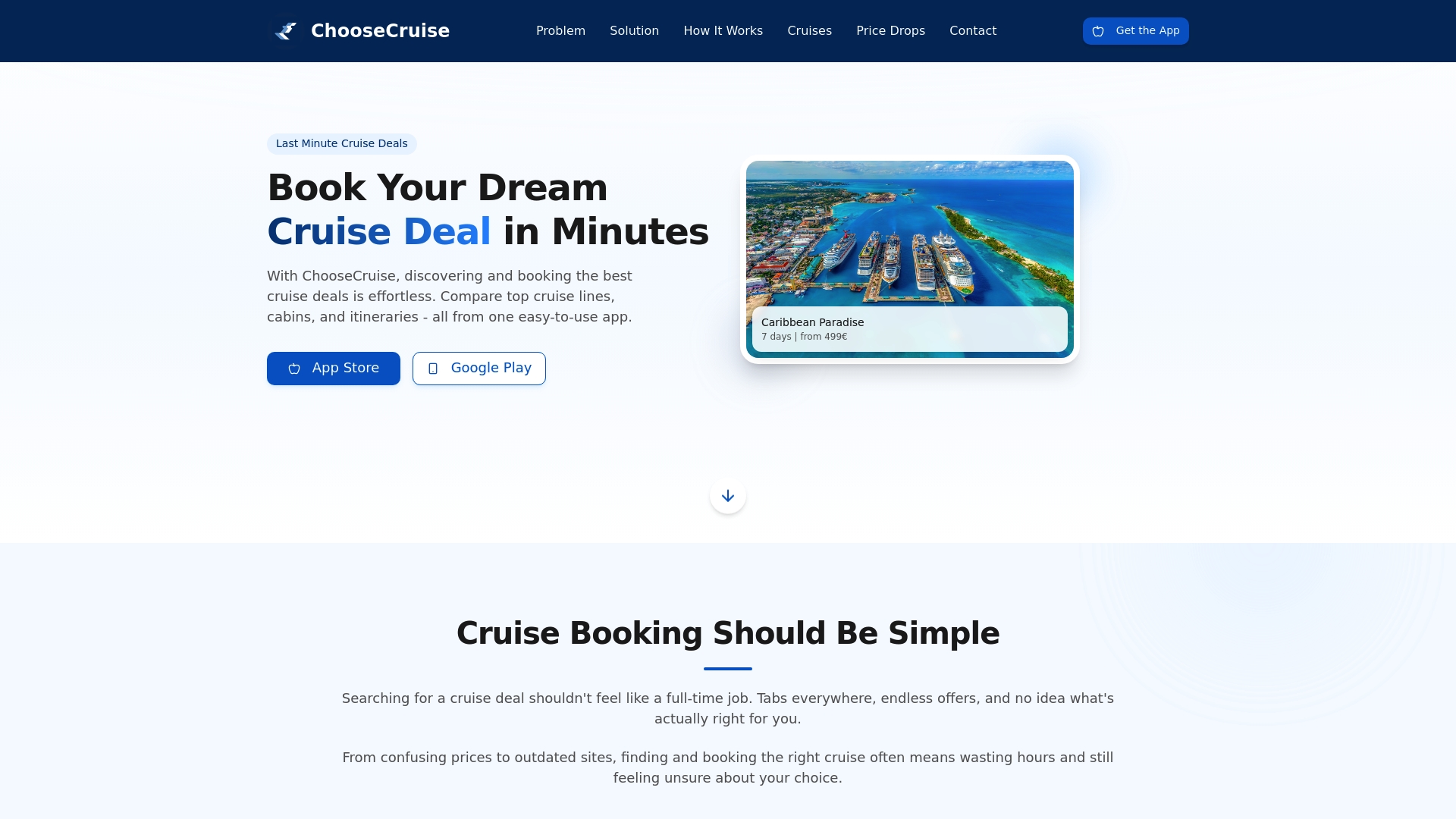
ChooseCruise also integrates budget tracking directly into the booking process, so you can see total trip costs including flights, transfers, and onboard spending before you commit. Whether you are searching for cruise deals across major lines or narrowing down a specific region, the platform gives you the comparison tools and real-time pricing to book with confidence. First-time cruisers can also use the first-timer planning guide to walk through every stage of the workflow before booking.
FAQ
What is a cruise itinerary planning workflow?
A cruise itinerary planning workflow is a structured sequence of decisions that starts with defining your travel goals and ends with logistics preparation. The five core steps are: set goals, select destination, compare ships, choose cabin, and prepare documents.
How many sea days should a first-time cruiser plan for?
First-time cruisers benefit from at least 2–3 sea days on a 7-night sailing. Sea days provide recovery time and let you experience the ship’s amenities without the pressure of a port schedule.
What costs do most cruise budgets miss?
Most cruise budgets miss pre-cruise hotel stays, airport-to-port transfers, and per-port shore spending. Budgeting per port separately gives a more accurate total than a single excursion line item.
How far in advance should I plan a cruise?
Booking 6 months or more before departure gives you the best cabin selection and access to early-booking rates. Last-minute deals exist but rarely offer the itinerary or cabin type you want.
What is tendering and why does it matter for planning?
Tendering means the ship anchors offshore and passengers take small boats to reach the port. It adds 30–60 minutes of transit time each way, which significantly reduces your usable time ashore at shorter port stops.
Recommended
Related reading
6 Best Cruise Destinations 2026 for Smart First-Time Travelers
Discover the 6 best cruise destinations 2026 with expert tips for tech-savvy first-time travelers, including personalized advice for easier cruise booking.
Cruise Package Explained: Stress-Free Vacation Booking
Cruise package means bundled travel with accommodations, meals, entertainment, excursions. Learn the types, inclusions, pros, costs, and mistakes to avoid.
7 Smart Ways to Save on Cruises for Modern Travelers
Discover 7 smart ways to save on cruises with easy, practical tips designed for today’s digital cruise travelers. Learn to maximize value and minimize costs.