Cruise Tips That Make Every Voyage Better
TL;DR:
- Effective cruise planning involves smart packing, early booking, and choosing excursions wisely to maximize enjoyment.
- Travelers should arrive a day early, carry essential items in a carry-on, and book 8 to 14 months in advance for the best deals.
Cruise tips are practical strategies that help both first-time and experienced travelers maximize enjoyment and avoid common mistakes at sea. The difference between a frustrating voyage and a memorable one often comes down to preparation: what you pack, when you book, and how you spend your time onboard. Whether you’re planning your first cruise or your fifteenth, the advice below covers every stage of the trip, from booking to disembarkation.
1. What are the most essential packing tips for cruisers?
Packing smart is the single biggest factor in a stress-free embarkation day. Most first-time cruisers overpack clothing and underpack practical tools, which creates clutter in a small cabin and leaves them scrambling for basics when they board.
Versatile, mix-and-match clothing cuts your bag count without sacrificing outfit variety. Stick to a two or three-color palette so every piece works with every other piece. This approach works especially well for Caribbean and Mediterranean itineraries where casual daywear doubles as port-day attire.
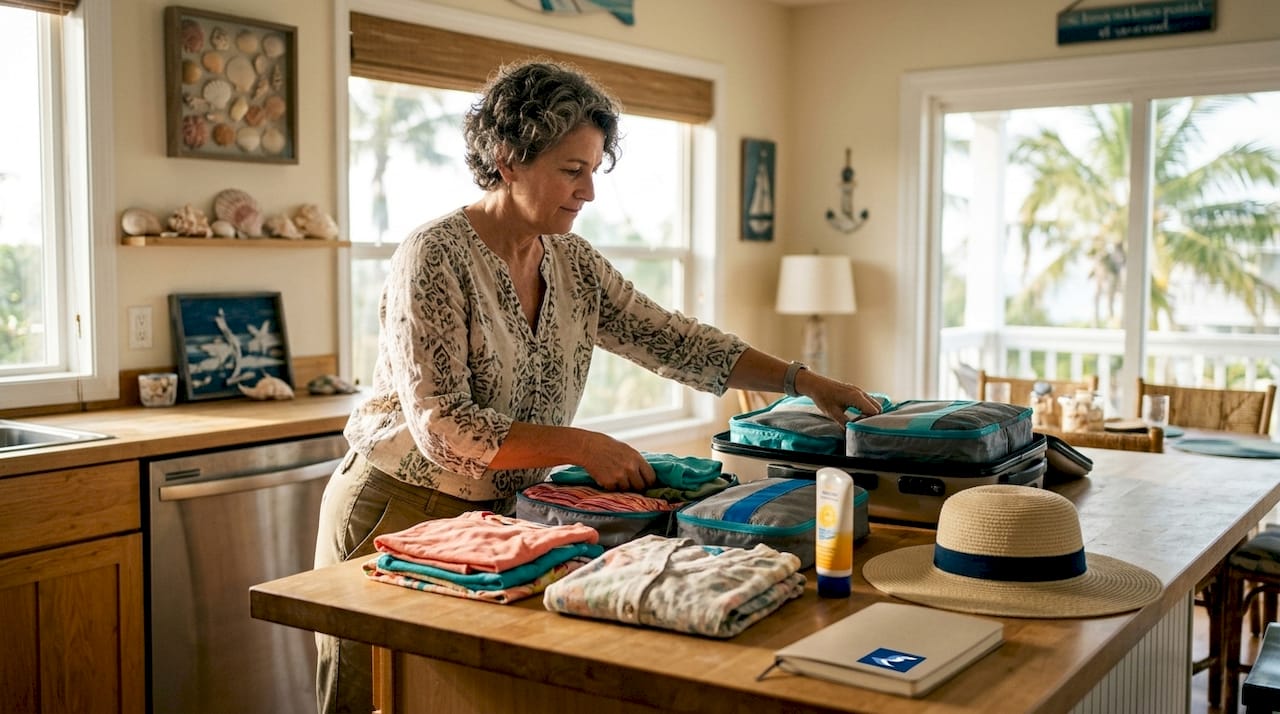
- Pack a carry-on with your passport, medications, sunscreen, and swimwear. Checked bags arrive late on embarkation day, sometimes not until evening, so you need these items immediately.
- Bring magnetic hooks for the cabin bathroom. Ship walls are metal, and hooks let you hang wet swimwear without cluttering the limited counter space.
- Pack a multi-USB adapter because cruise cabins typically have only one or two power outlets. Charging a phone, tablet, and camera simultaneously requires a hub.
- Toss in a few plastic or wooden pegs. They clip curtains shut to block early morning light and secure towels to deck chairs on windy days. Most travelers never think of them until they need them.
Pro Tip: Roll your clothes instead of folding them, and use packing cubes to compress each category. You will fit roughly 30% more into the same bag and find items instantly.
2. When and how should you book your cruise for the best deal?

Timing your booking correctly saves money and secures the cabin you actually want. Book 8–14 months in advance to access the widest cabin selection and the lowest base fares before demand pushes prices up. This window is especially critical for popular itineraries like Alaska in summer or the Caribbean over the holidays.
Wave Season, which runs from january through march, is the cruise industry’s peak promotional period. Lines compete aggressively with reduced fares, onboard credits, free drink packages, and cabin upgrades. If you can plan that far ahead, booking during Wave Season delivers the best combination of price and added value.
Working with a travel agent who specializes in cruises adds another layer of advantage. Agents often have access to group rates, exclusive promotions, and insider knowledge about which cabins to avoid. They also handle the fine print on inclusive packages so you don’t get surprised by hidden fees at the end of the voyage.
- Set a price alert for your target itinerary and check it weekly.
- Compare the total cost including port fees, gratuities, and drink packages, not just the headline fare.
- Ask about onboard credits, which function as ship currency and offset dining, spa, or excursion costs.
- Review cruise upgrade options before finalizing your cabin category. A midship cabin on a higher deck costs more but reduces motion sickness significantly.
- Read the cancellation policy carefully. Flexible fares cost slightly more but protect your deposit if plans change.
Pro Tip: Book early for the best cabin, but watch for last-minute deals if your schedule is flexible. Lines drop prices sharply in the final 30–60 days to fill unsold inventory.
3. How to make the most of your time onboard and during excursions
The first day aboard sets the tone for the entire trip. Pack a day bag with your essentials because your checked luggage will not reach your cabin until hours after you board. Use that time to explore the ship, locate the pool, the main dining room, and the spa, so you are not consulting a map for the rest of the week.
Learning the ship layout early pays off every day. Large ships can carry 3,000 to 5,000 passengers, and knowing the fastest route between decks saves real time. Most cruise lines now offer a dedicated app that shows the daily schedule, restaurant menus, and onboard specials in real time. Download it before you sail and check it each morning over breakfast.
“Building a rapport with your cabin crew provides valuable insider knowledge and improves onboard comfort. Crew members serve as helpful resources for ship activities and local information.” Cruise and Travel
Shore excursions require a deliberate choice between two approaches. Cruise-line excursions guarantee the ship waits for you if the tour runs late, which matters enormously in unfamiliar ports. Independent tours cost less and offer more flexibility, but you carry the risk of missing the ship if something goes wrong. For first-time cruisers or complex ports, the cruise-line option is the safer call. For experienced travelers in straightforward ports, independent tours often deliver a richer, less crowded experience.
Check out cruise dining tips before you sail. Specialty restaurants fill up fast, and reserving a table on day one prevents disappointment later in the voyage.
4. What are key safety, etiquette, and insurance tips every cruiser should know?
Safety and etiquette are the two areas most first-time cruisers underestimate. Getting both right protects your trip and the experience of everyone around you.
- Arrive a day early. Arriving one day before sailing is the single most effective way to avoid missing the ship. Flights get delayed, bags get lost, and ports are often far from major airports. One extra hotel night is far cheaper than a last-minute flight to catch the ship at the next port.
- Buy travel insurance. Standard health insurance rarely covers medical evacuation from a ship at sea, which can cost tens of thousands of dollars. Purchase a policy that covers cruise-specific risks: trip cancellation, medical evacuation, and missed departure.
- Attend the muster drill. Every cruise line requires a safety briefing before departure. Pay attention. Knowing where your muster station is and how to put on a life jacket takes five minutes and could matter in an emergency.
- Tip appropriately. Most lines add a daily gratuity automatically, but additional tips for exceptional service are standard practice and genuinely appreciated by crew members who work long contracts far from home.
- Respect shared spaces. Keep noise low in corridors after 10:00 PM, do not save deck chairs with towels for hours, and follow the dress code in formal dining rooms. These small behaviors make a large difference to the people around you.
Pro Tip: Register your credit card at the guest services desk on day one. This activates your onboard account and prevents any billing delays at disembarkation.
For a full breakdown of how to prepare before you ever set foot on the gangway, the cruise planning step-by-step guide covers every stage from deposit to disembarkation.
Key takeaways
The most effective cruise preparation combines smart packing, early booking, and deliberate onboard choices to protect your budget, your comfort, and your time.
| Point | Details |
|---|---|
| Book 8–14 months early | Secures the best cabins and lowest fares before demand drives prices up. |
| Pack a carry-on with essentials | Checked bags arrive late on embarkation day; keep passports, meds, and swimwear with you. |
| Arrive one day before sailing | Buffers against flight delays and eliminates the risk of missing departure. |
| Choose excursions deliberately | Cruise-line tours are safer; independent tours are cheaper and more flexible. |
| Use magnetic hooks and a USB hub | These two items solve the most common cabin storage and charging problems. |
What I’ve learned after years of watching cruisers get it wrong
Most people treat a cruise like a passive vacation. They board, they eat, they follow the crowd. The travelers who come home with the best stories did the opposite.
The biggest mistake I see is choosing a ship based on its amenities rather than its itinerary. A ship with a rock-climbing wall and a waterpark sounds exciting, but if the ports don’t match your interests, you will spend seven days at sea feeling vaguely disappointed. Selecting an itinerary based on your travel personality has a greater impact on satisfaction than any onboard feature. Figure out whether you want beach days, cultural immersion, or adventure, and then find the itinerary that delivers it.
The second lesson took me longer to learn: talk to your cabin steward on day one. Not just to say hello, but to ask what’s worth doing this week and what to skip. Crew members rotate through the same ports dozens of times. They know which beach is overrun by tour buses and which one is quiet. That conversation is worth more than any travel blog.
Finally, resist the urge to fill every hour. The best cruise moments often happen when you sit on the deck at sunset with no plan. Build in at least one afternoon per port where you wander without a schedule. You will find something the guidebooks missed.
— Igor
ChooseCruise: find your next voyage with less effort
Planning a cruise should feel exciting, not exhausting. ChooseCruise brings together real-time pricing, itinerary comparisons, and personalized recommendations so you can find the right sailing without spending hours on outdated booking sites.
Whether you’re after a quick weekend escape or a two-week ocean crossing, ChooseCruise makes it easy to compare options side by side and book with confidence. The platform tracks price changes automatically, so you never pay more than you should. Compare cruise deals today and see how much easier planning gets when the right tools are in your corner. If you’re just getting started, the first-timer planning guide walks you through every decision from itinerary to cabin category.
FAQ
What is the best time to book a cruise for the lowest price?
Book 8–14 months in advance for the best cabin selection, or target Wave Season (january through march) when cruise lines offer their most aggressive discounts and added-value promotions.
What should first-time cruisers pack in their carry-on?
Carry your passport, medications, sunscreen, and swimwear in a carry-on bag because checked luggage typically does not reach your cabin until several hours after boarding.
Is travel insurance necessary for a cruise?
Travel insurance is strongly recommended for cruises because standard health policies rarely cover medical evacuation at sea, which can cost tens of thousands of dollars without coverage.
Should I book shore excursions through the cruise line or independently?
Cruise-line excursions guarantee the ship waits if the tour runs late, while independent tours offer more flexibility and lower cost. Choose based on the complexity of the port and your comfort with risk.
How far in advance should I arrive at the departure port?
Arrive at least one day before your sailing date. This buffer protects against flight delays and other travel disruptions that could cause you to miss the ship.
Recommended
Related reading
6 Best Cruise Destinations 2026 for Smart First-Time Travelers
Discover the 6 best cruise destinations 2026 with expert tips for tech-savvy first-time travelers, including personalized advice for easier cruise booking.
Cruise Package Explained: Stress-Free Vacation Booking
Cruise package means bundled travel with accommodations, meals, entertainment, excursions. Learn the types, inclusions, pros, costs, and mistakes to avoid.
7 Smart Ways to Save on Cruises for Modern Travelers
Discover 7 smart ways to save on cruises with easy, practical tips designed for today’s digital cruise travelers. Learn to maximize value and minimize costs.