Examples of Themed Cruises: Your 2026 Adventure Guide

TL;DR:
- Themed cruises focus on shared passions like music, food, wellness, or pop culture, attracting nearly 40% of cruise travelers. They offer varying levels of immersion and premiums up to 80%, with full-ship charters providing the most exclusive experience. Choosing the right cruise involves verifying the organizer, matching the itinerary to the theme, and booking early for popular sailings.
Themed cruises are defined as sailings built around a central passion, where every onboard program, guest, and event connects to one shared interest. Music, culinary arts, wellness, and pop culture fandoms are the most popular categories, and approximately 40% of prospective cruise passengers now express interest in themed sailings. That number signals a structural shift, not a passing trend. The examples of themed cruises available in 2026 range from full-ship rock festivals to Mediterranean food tours, giving every type of traveler a reason to book.
1. What are examples of themed cruises and their main categories?
Themed cruise options fall into four primary segments: music, culinary and wine, wellness, and pop culture fandoms. Each segment carries its own pricing premium and level of immersion. Pricing premiums range from 10–80% above standard fares depending on the talent and programming involved. Music festival cruises sit at the top of that range; culinary and wellness sailings sit at the lower end.
- Music festival cruises: Full-ship charters with live performances, artist meet-and-greets, and exclusive parties. Pricing runs 30–80% above standard fares.
- Culinary and wine cruises: Cooking demonstrations, wine tastings, and port-side food tours. Premiums typically land at 10–30%.
- Wellness retreats at sea: Daily yoga, meditation sessions, nutrition workshops, and spa access. Premiums average 10–25%.
- Pop culture and fandom cruises: Sci-fi conventions, horror events, comic-style panels, and costume contests. Pricing varies widely by organizer.
- Niche and specialty cruises: LGBTQ+ sailings, astronomy nights, comedy festivals, motorcycle enthusiast charters, and family character voyages.
Pro Tip: Check whether the themed programming is run by the cruise line itself or a third-party organizer. Organizer quality strongly influences the depth and enjoyment of your experience, so research their track record before booking.
2. Music-themed cruises: the most immersive examples afloat
Music festival cruises represent the most intense form of themed cruising. Sixthman, the pioneer in this space, has produced sailings like Kiss Kruise, Jam Cruise, and EDM-focused charters that fill entire ships with fans of a single genre or artist. The social atmosphere aboard these voyages is unlike any land-based festival because the crowd, the artists, and the venue are all contained in one floating space.
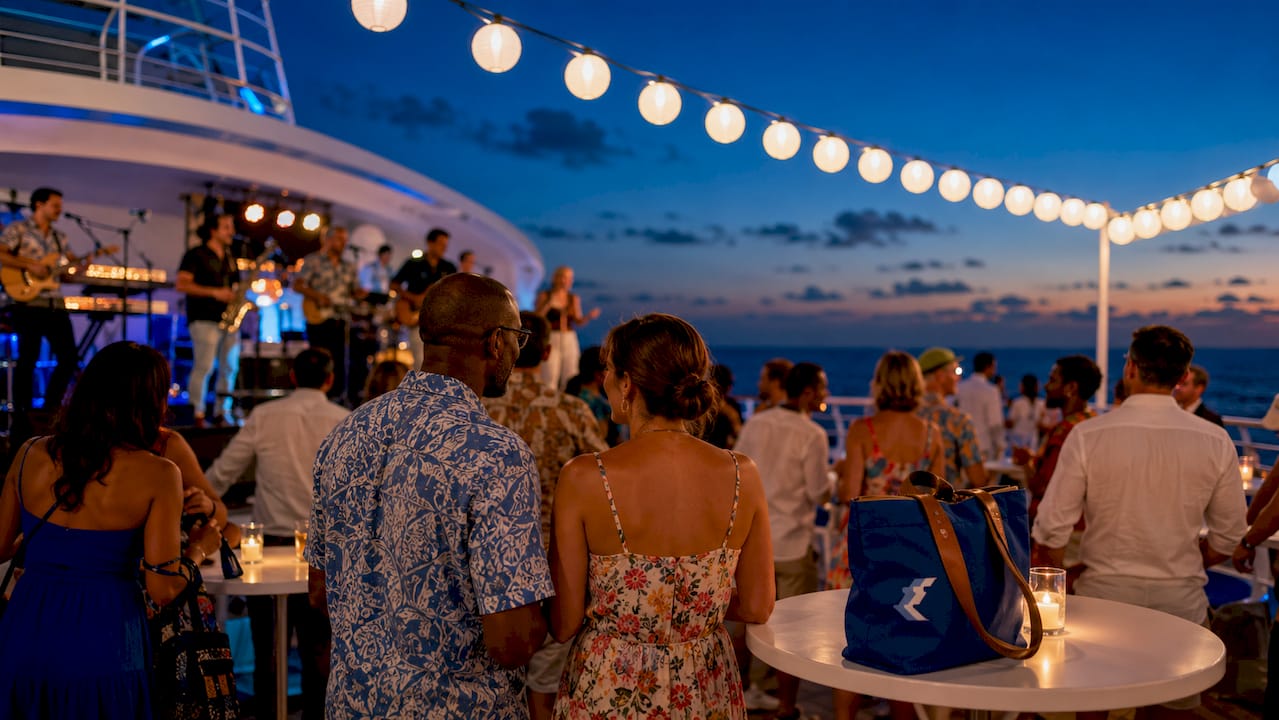
Top-tier music festival cruises frequently sell out within 24 hours of going on sale. That speed reflects genuine demand and means casual browsers rarely secure a cabin. Travelers serious about a specific sailing need to join organizer mailing lists and set calendar reminders for the on-sale date.
The defining features of a music charter include:
- Multiple live performances per day across several onboard stages
- Q&A sessions and acoustic sets in intimate venues
- Artist-hosted pool parties and late-night events
- Fan community gatherings organized by genre or band
- Exclusive merchandise and signed memorabilia opportunities
Pro Tip: Distinguish between a full-ship charter and a partial-ship charter before you buy. Full-ship charters provide exclusive access and total immersion; partial charters share the ship with regular passengers, which dilutes the communal atmosphere.
3. Culinary and wine cruises: food as the destination
Culinary-themed cruises treat the dining room as a classroom and every port as a field trip. Oceania Cruises and Celebrity Cruises are recognized leaders in this category, building itineraries where onboard cooking classes connect directly to the cuisine of each port stop. A Mediterranean sailing, for example, pairs pasta-making workshops at sea with truffle hunting excursions in Tuscany.
Itinerary matters greatly for thematic integrity on culinary and wine sailings. A food-themed cruise routed through the Mediterranean delivers far more value than the same programming on a generic Caribbean route, because the port stops reinforce what guests learn onboard.
Key experiences on culinary and wine sailings include:
- Hands-on cooking classes led by guest chefs or resident culinary teams
- Wine and spirits tastings with sommeliers and regional producers
- Market tours and farm visits at port destinations
- Winemaker dinners featuring paired menus and producer presentations
- Specialty restaurant access and chef’s table experiences
Wellness-focused cruises share a similar structure but replace the kitchen with the spa deck. Virgin Voyages, Norwegian Cruise Line, and Seabourn each offer wellness-oriented programming that includes daily yoga, guided meditation, and nutrition workshops. These sailings attract travelers who want to return home feeling better than when they left.
Pro Tip: For culinary cruises, prioritize sailings where the itinerary and the theme reinforce each other. A Mediterranean food tour delivers richer experiences than a generic route with cooking classes bolted on.
4. Pop culture and fandom cruises: conventions at sea
Pop culture cruises are the fastest-growing niche in themed cruising. These sailings function as floating conventions, bringing together fans of a specific franchise, genre, or subculture for several days of programming, panels, and parties. The community aspect is the core product. Passengers do not just attend events; they live alongside people who share their exact passion for the duration of the voyage.
Star Trek cruises are among the most established examples in this category. Cast members from multiple series appear for Q&A panels, themed dinners, and photo opportunities. Costume competitions draw serious participants who spend months preparing. Horror and mystery cruises follow a similar format, with genre authors, filmmakers, and actors hosting events that range from escape room challenges to murder mystery dinners.
Notable fandom cruise examples include:
- Star Trek cruises: Cast panels, trivia tournaments, themed costume contests, and Starfleet-style programming
- Horror and dark fantasy cruises: Author signings, film screenings, ghost hunting events, and themed cocktail hours
- Comic and gaming conventions at sea: Artist alleys, tabletop gaming rooms, cosplay competitions, and developer panels
- Disney character cruises: Family-focused sailings where Disney characters appear throughout the voyage for meet-and-greets and themed shows
- Niche specialty sailings: Cat lover cruises, motorcycle enthusiast charters, ghost hunting voyages, and paranormal investigation events
The social environment on fandom cruises is notably different from standard sailings. Passengers arrive already connected through online fan communities, which means friendships form faster and the group dynamic feels more like a reunion than a vacation.
5. Wellness and lifestyle cruises: health meets the high seas
Wellness cruises are defined by programming that prioritizes physical and mental restoration. These are not simply ships with a spa. The best wellness sailings build a full daily schedule around movement, mindfulness, and nutrition, so the theme permeates every hour of the voyage rather than sitting as an optional add-on.
Norwegian Cruise Line and Seabourn have both developed wellness-forward itineraries that include morning yoga on the deck, afternoon meditation workshops, and evening talks from nutritionists and fitness coaches. The distinction between a wellness cruise and a standard cruise with a gym is the depth of the program. On a true wellness sailing, the schedule is built around the theme from breakfast to bedtime.
Lifestyle cruises extend beyond physical wellness to include interests like astronomy, photography, and language learning. Astronomy cruises, for instance, route through dark-sky destinations and bring aboard astrophysicists who lead nightly stargazing sessions. Photography cruises pair scenic itineraries with daily workshops led by professional photographers. These sailings attract travelers who want to return home with a new skill, not just a tan.
6. LGBTQ+ and affinity group cruises: community at the center
LGBTQ+ cruises represent one of the most established affinity categories in themed cruising. These sailings create an environment where passengers travel with a community that shares their identity, which changes the social experience aboard in a fundamental way. Full-ship LGBTQ+ charters eliminate the need to navigate whether a space is welcoming; the entire ship is the community.
Affinity group cruises extend this model to other identity and interest communities. Motorcycle enthusiast charters, Black travel group sailings, and faith-based cruises all operate on the same principle: shared identity creates a stronger social bond than any single activity could. The programming on these sailings reflects the community’s specific interests, from themed parties and guest speakers to cultural performances and group excursions.
The pricing on affinity group cruises varies widely. Full-ship charters command higher premiums because the organizer assumes the cost of the entire vessel. Partial charters, where the affinity group occupies a section of the ship, carry lower premiums but deliver a less immersive community experience.
7. Seasonal and holiday-themed cruises: timing as the theme
Seasonal themed cruises use the calendar as their organizing principle. Christmas cruises, New Year’s Eve sailings, and Halloween voyages are the most popular examples. These cruises layer holiday programming onto standard itineraries, creating a festive atmosphere that appeals to travelers who want to celebrate in an unusual setting.
Christmas holiday cruises typically feature decorated ships, holiday menus, carol performances, and themed shore excursions to Christmas markets in European ports. New Year’s Eve sailings position the ship in a harbor with fireworks access, turning midnight into a spectacle rather than a living room event. Halloween cruises attract costume enthusiasts with themed parties, horror film screenings, and costume competitions across multiple nights.
The appeal of seasonal cruises is their low barrier to entry. The theme is familiar, the programming is festive rather than niche, and the pricing premium is modest compared to music or fandom charters. They work well for families, couples, and first-time themed cruise travelers who want to test the format without committing to a highly specialized sailing.
8. How to choose the right themed cruise for your interests
Choosing a themed cruise requires matching three variables: the theme itself, the charter type, and the itinerary. Getting one wrong reduces the overall experience significantly.
The full-ship versus partial-ship charter distinction is the most important structural decision. Full charters deliver total immersion because every passenger shares the same interest. Partial charters are more affordable but dilute the community atmosphere. For music and fandom cruises, a full charter is almost always worth the premium.
- Verify the charter type. Confirm whether the sailing is a full-ship or partial charter before booking.
- Research the organizer. Third-party organizers run most themed programming. Their reputation determines the quality of your experience.
- Match the itinerary to the theme. A culinary cruise through Southeast Asia delivers more thematic value than the same programming on a generic route.
- Book early. Popular themed sailings sell out fast. Join organizer mailing lists and set reminders for on-sale dates.
- Balance theme with ship quality. Travelers should balance theme immersion with ship amenities and port stops for a satisfying overall experience.
Pro Tip: Standard cruise lines provide the ship infrastructure while third-party organizers manage the themed programming. Always verify what is included in the themed package versus what requires separate booking or additional fees.
Key takeaways
Themed cruises deliver the strongest experiences when the charter type, organizer quality, and itinerary all align with the central theme.
| Point | Details |
|---|---|
| Theme categories vary widely | Music, culinary, wellness, fandom, LGBTQ+, and seasonal cruises each offer distinct programming and pricing. |
| Charter type determines immersion | Full-ship charters deliver total community immersion; partial charters are more affordable but less focused. |
| Pricing premiums reflect programming | Music festival cruises carry 30–80% premiums; culinary and wellness sailings run 10–30% above standard fares. |
| Book early for popular themes | Top music and fandom cruises sell out within 24 hours, so early booking is the only reliable strategy. |
| Itinerary reinforces the theme | Culinary and wellness cruises gain significant value when port stops connect directly to the onboard programming. |
Why themed cruises are the most underrated travel format
The conventional wisdom says themed cruises are niche products for hardcore fans. I disagree. After tracking this segment closely, I believe themed cruises are the most efficient format for meeting people who share your actual interests, not just your demographic. On a standard sailing, you share a ship with strangers. On a themed sailing, you share a ship with your people.
The shift I find most interesting is the move toward multi-interest hybrid sailings. Organizers are now combining wellness programming with culinary themes, or pairing astronomy nights with photography workshops. These hybrids attract travelers who do not identify with a single niche but want more depth than a standard cruise provides.
The one mistake I see travelers make repeatedly is choosing a themed cruise based on the theme alone without checking the organizer’s track record. The theme gets you on the ship. The organizer determines whether the programming actually delivers. A poorly run music cruise with great artists is still a frustrating experience. A well-run culinary cruise with a modest guest chef lineup can be genuinely memorable.
My honest advice: treat the organizer as the primary variable and the theme as the secondary one. Read reviews from previous sailings, check whether the organizer has run the event before, and look at the specific programming schedule rather than the marketing headline. That approach will serve you better than any other single factor in choosing a themed cruise.
— Igor
Plan your themed cruise with ChooseCruise
Themed cruises in 2026 span every interest and budget, but finding the right sailing at the right price takes more than a quick search.
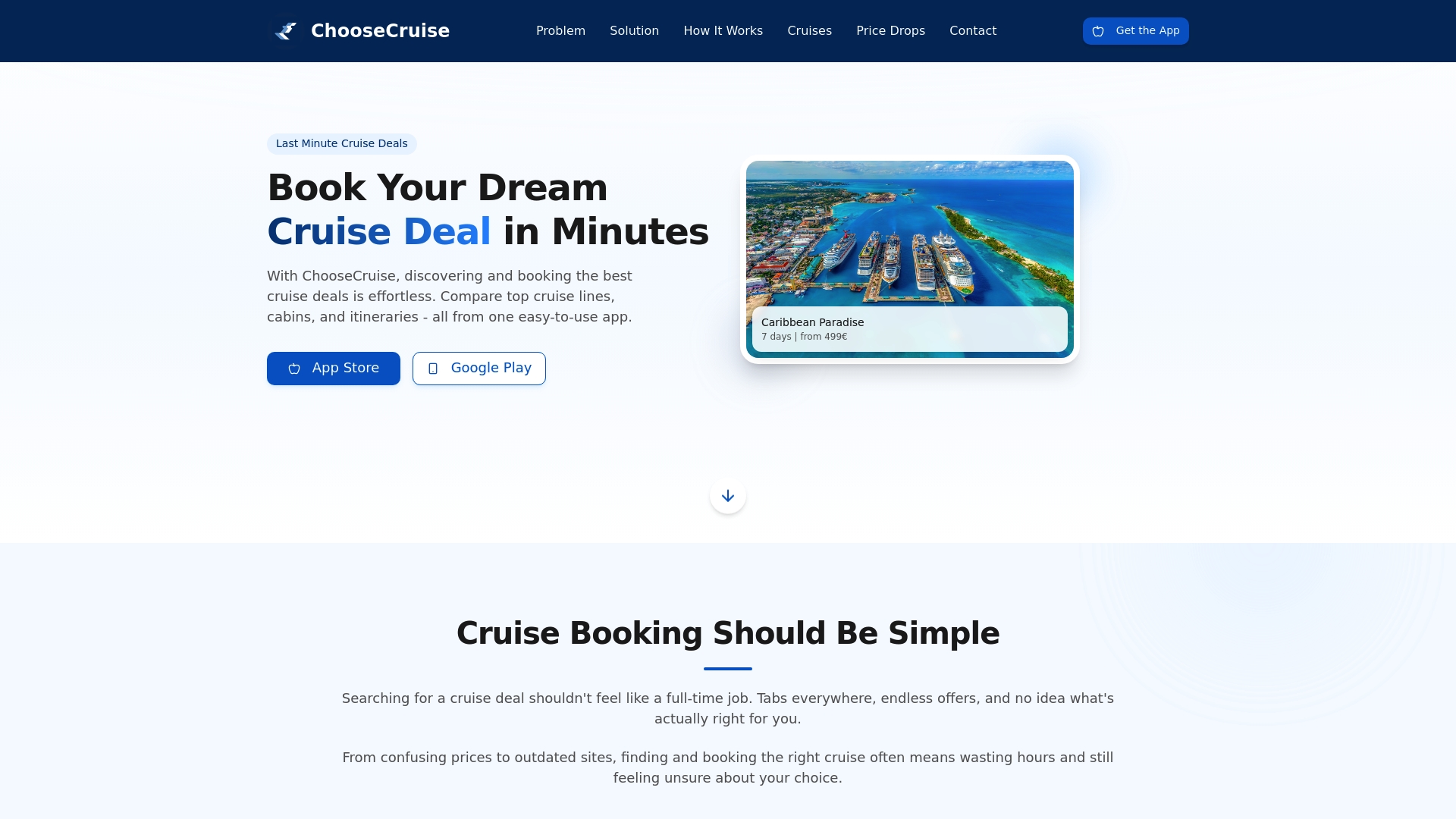
ChooseCruise brings together real-time pricing, AI-powered recommendations, and a clean booking experience so you can compare themed cruise deals without wading through outdated listings. Whether you are looking for a music festival charter, a culinary voyage through the Mediterranean, or a New Year’s Eve sailing with fireworks at midnight, ChooseCruise surfaces the options that match your interests and travel dates. Find and compare cruise deals across hundreds of sailings and book with confidence in minutes.
FAQ
What are themed cruises?
Themed cruises are sailings built around a central interest, such as music, food, wellness, or pop culture, where onboard programming connects every event to that shared theme. They attract travelers who want more than a standard vacation and prefer to spend time with people who share their passion.
How much more do themed cruises cost?
Music festival cruises typically carry premiums of 30–80% above standard fares, while culinary and wellness sailings run 10–30% higher. The premium reflects the cost of specialized talent, exclusive programming, and in some cases, a full-ship charter.
What is the difference between a full-ship and partial-ship charter?
A full-ship charter means every passenger on the vessel is part of the themed group, creating total immersion. A partial charter shares the ship with regular passengers, which reduces the communal atmosphere but also lowers the price.
How far in advance should I book a themed cruise?
Popular music and fandom cruises sell out within 24 hours of going on sale. Joining organizer mailing lists and setting calendar reminders for the on-sale date is the most reliable way to secure a cabin on high-demand sailings.
Do themed cruises work for solo travelers?
Themed cruises are particularly well-suited for solo travelers because the shared interest creates an immediate social foundation. Meeting fellow passengers is natural when everyone aboard is there for the same reason.
Recommended
Related reading
6 Best Cruise Destinations 2026 for Smart First-Time Travelers
Discover the 6 best cruise destinations 2026 with expert tips for tech-savvy first-time travelers, including personalized advice for easier cruise booking.
Cruise Package Explained: Stress-Free Vacation Booking
Cruise package means bundled travel with accommodations, meals, entertainment, excursions. Learn the types, inclusions, pros, costs, and mistakes to avoid.
7 Smart Ways to Save on Cruises for Modern Travelers
Discover 7 smart ways to save on cruises with easy, practical tips designed for today’s digital cruise travelers. Learn to maximize value and minimize costs.