Family Cruise Packing List: First-Timer’s Guide for 2026
TL;DR:
- Families should pack light by planning outfits specifically for each cruise activity and avoiding overpacking. Essential items include a waterproof organizer for documents, magnetic hooks for cabin storage, and a sturdy carry-on with medications and essentials for the first day. Proper preparation of clothing, documents, health supplies, and day bags ensures a smoother, more enjoyable family cruise experience.
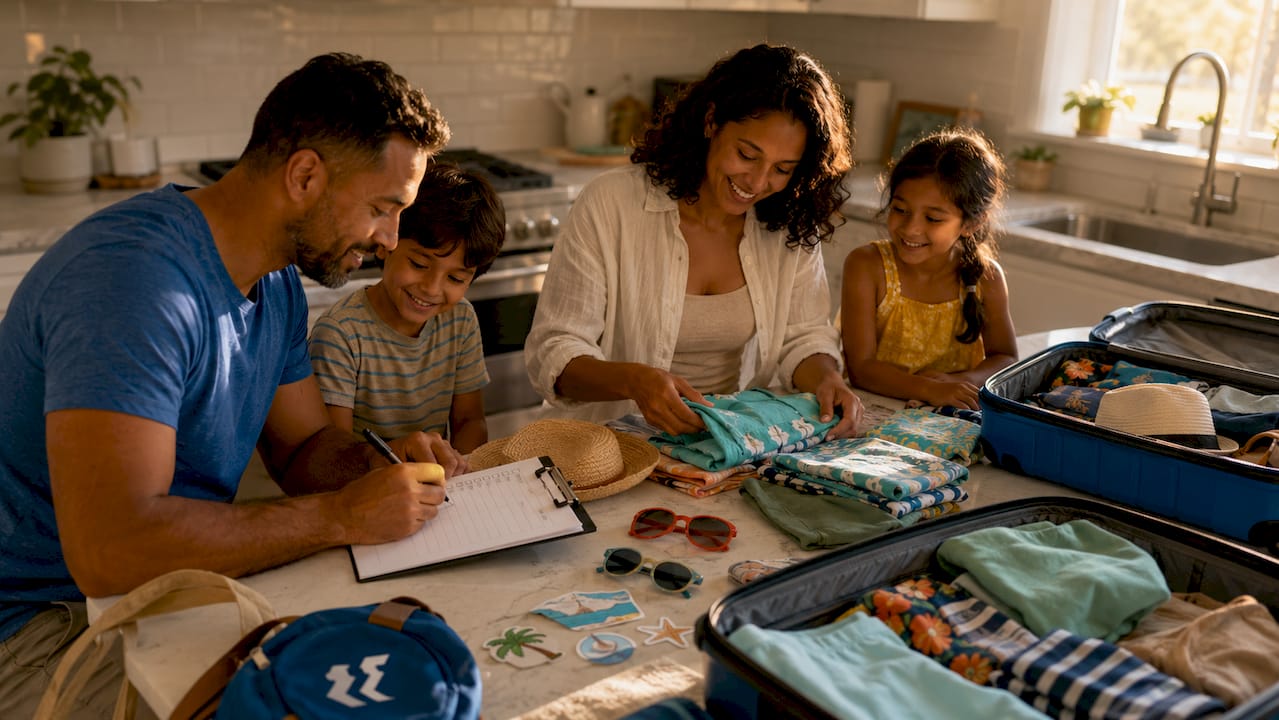
A family cruise packing list is the curated set of clothing, documents, health supplies, and cabin organizers that keeps your vacation running smoothly from embarkation day through the final port stop. Most first-time cruisers pack for a hotel trip and arrive underprepared for the realities of a small stateroom, themed dinner nights, and full days in tropical heat. The right checklist, built around your specific itinerary and cabin constraints, is the difference between a relaxed vacation and a week of digging through overstuffed suitcases. This guide covers every category your family needs, with space-saving strategies that actually work.
1. What belongs on a family cruise packing list for clothing?
Clothing is where most families overpack. The fix is planning outfits against your actual cruise schedule rather than packing “just in case.” Checking your cruise itinerary 2–4 weeks before departure tells you exactly how many formal or themed nights to prepare for, so you avoid hauling three cocktail dresses for one formal dinner.
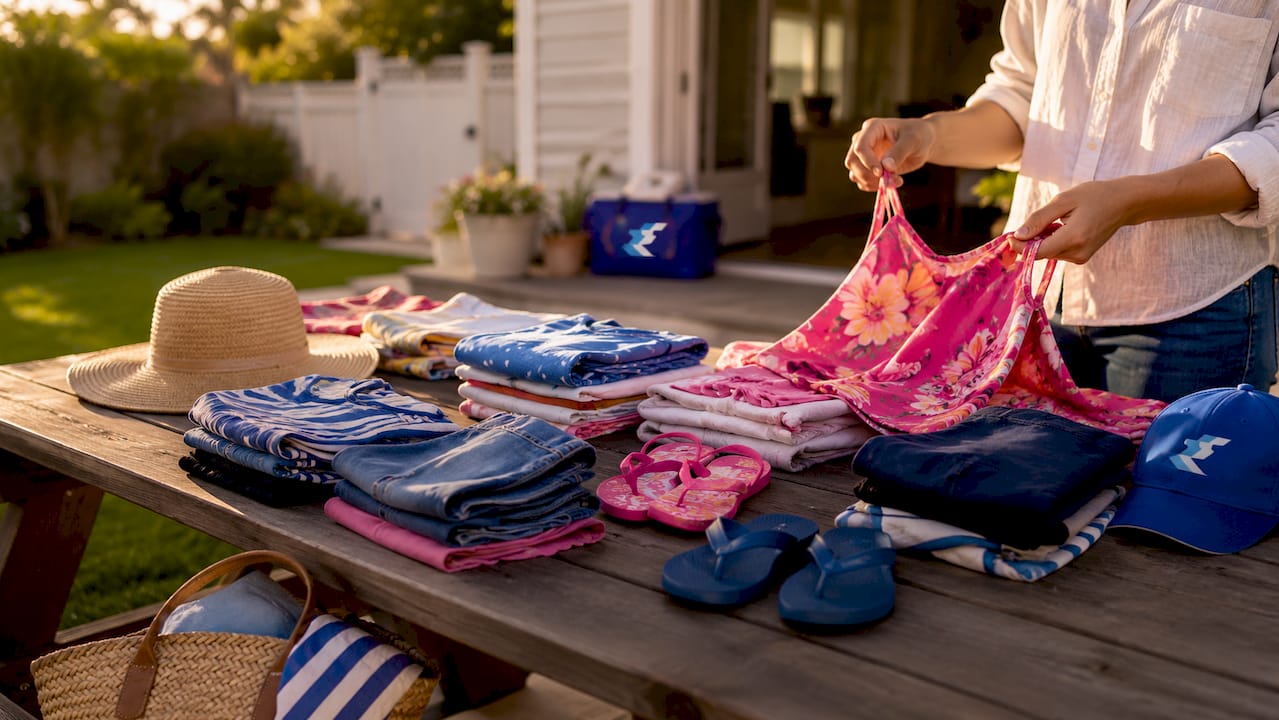
For swimwear, the standard recommendation is 2 swimsuits per person. Ship humidity and limited drying space mean one suit is almost always damp. Two suits in quick-dry fabric keep everyone comfortable without taking up half a suitcase.
Build the rest of your clothing around mix-and-match basics:
- Casual daywear: 1–2 outfits per day, choosing pieces that work for both the pool deck and a casual lunch
- Cover-ups and hoodies: One lightweight hoodie per person handles air-conditioned dining rooms and breezy sea days
- Dinner attire: Match the number of outfits to the number of formal or themed nights on your itinerary, not to the length of the trip
- Footwear: One pair of flip-flops, one pair of comfortable walking shoes, and one pair of dress shoes covers every scenario
Pro Tip: Pack a Mediterranean cruise packing checklist approach for any itinerary: lay out every outfit by day before you pack, then remove anything that doesn’t match a specific activity.
2. Which travel documents and organizers are non-negotiable?
Document chaos at the cruise terminal is one of the most stressful experiences a family can face. A single waterproof RFID family organizer holds every passport, boarding pass, insurance card, and excursion confirmation in one place. That one item cuts your check-in time and eliminates the frantic bag search at security.
Every family member’s documents should travel together in that organizer during embarkation. Once you’re onboard, store the originals in your cabin safe.
For port days and shore excursions, the smarter move is carrying photocopies instead of original passports. Copies are lightweight, and losing a copy is far less damaging than losing an original document in a foreign port.
- Must-pack documents: Passports, cruise boarding passes, travel insurance policy, excursion confirmations, and any required vaccination records
- Digital backups: Screenshot every document and store the images offline on your phone before you leave home
- Cabin safe essentials: Original passports, credit cards not needed daily, and any cash you aren’t spending that day
Pro Tip: Take a photo of each family member’s passport photo page and save it to a shared cloud folder. If a document is lost, you have immediate proof of identity for the nearest consulate.
3. How to maximize space in a cruise cabin for a family
Cruise cabins are smaller than most families expect. Packing compact, multi-use items and organizers that use vertical space is the only way to keep a family of four from living in a pile of gear for seven days.
The single best discovery for first-time cruisers is that most cruise ship stateroom walls are magnetic. Magnetic hooks attach instantly to those walls and give you immediate hanging space for wet swimsuits, hats, lanyards, and bags. Pack four to six of them and you’ll free up floor and counter space on day one.
An over-the-door shoe organizer is the second most useful cabin tool. Hang it on the bathroom door and fill the pockets with kids’ sunscreen, snacks, socks, and small toys. Everything stays visible and within reach, which means fewer “where is my stuff?” moments during a busy morning.
Pro Tip: A hanging toiletry organizer is worth its weight in gold. Cruise bathrooms have almost no counter space, and most ships provide only basic soap and shampoo. Conditioner, lotion, and child-friendly products don’t come standard.
Additional cabin organization items to pack:
- Magnetic hooks (4–6): For wet swimsuits, hats, and lanyards
- Over-the-door shoe organizer: Stores kids’ daily-use items in the bathroom doorway
- Hanging toiletry bag: Keeps family toiletries off the tiny bathroom counter
- Collapsible laundry bag: Separates dirty clothes from clean ones without taking up drawer space
- Power strip with USB ports: Cruise cabins typically have very few outlets, and a family of four has a lot of devices to charge
4. What health and safety supplies should every family pack?
Medical care onboard a cruise ship is available but expensive. A small, focused first-aid kit with the right items prevents most minor issues from becoming costly ship-doctor visits. You don’t need a bulky kit. You need the right items.
Motion sickness is the most commonly underestimated issue on a cruise, even for families who don’t typically get carsick. Pack motion sickness remedies for every family member, including children. Open-ocean sailing feels very different from a car ride, and rough seas can appear without warning.
- Pain relievers: Ibuprofen and acetaminophen for adults and children
- Motion sickness medication: Dramamine or equivalent, plus Sea-Bands as a non-medication backup
- Blister care: Moleskin pads and bandages for long port walking days
- Prescription medications: A full supply plus a few extra days’ worth in case of itinerary changes
- Allergy and asthma medications: Pack these in your carry-on, not your checked luggage
- Sunscreen: SPF 50 or higher, reef-safe where required by port regulations
- Insect repellent: Required for tropical ports, especially in the Caribbean and Central America
Pro Tip: Pack a dedicated health kit in a clear zip pouch so you can find what you need fast. Label it clearly if you have children who might rummage through bags.
5. How to build the perfect day bag for excursions and pool days
Your day bag is the item you’ll use every single day of the cruise. It needs to work for a beach excursion, a city walking tour, and an afternoon at the ship’s pool without requiring you to repack between activities.
Refillable water bottles are the most important item in this bag. Dehydration hits fast in tropical heat, and buying bottled water at every port adds up quickly. One insulated bottle per family member keeps everyone hydrated and saves money.
Here’s a practical day bag checklist organized by category:
- Sun protection: Sunscreen (SPF 50+), UV-protective hats, and sunglasses for every family member
- Hydration: Refillable insulated water bottles, one per person
- Snacks: Granola bars, fruit pouches, or crackers for kids during long excursion waits
- Swim gear: Quick-dry towels, swim shoes for rocky beaches or water parks, and a small waterproof pouch for phones and wallets
- Entertainment: A small tablet or downloaded content for kids during transit or long boat rides
- Hygiene: Disinfecting wipes, a small hand sanitizer, and a few waste bags for trash in ports with limited bins
- Extra clothes: One change of clothes per child for wet or messy adventures ashore
A carry-on bag packed with medications, documents, chargers, swimsuits, and kids’ bedtime basics is also critical for embarkation day. Checked luggage can take 6–8 hours to reach your cabin, and you don’t want to spend your first afternoon without essentials.
Pro Tip: Use a lightweight dry bag as your beach tote. It protects electronics and valuables from water and sand, doubles as a laundry bag for wet swimsuits on the way back to the ship, and weighs almost nothing.
For families planning what to expect on a cruise for the first time, knowing that port days require more preparation than sea days helps you pack the right bag for each type of day.
6. What tech and miscellaneous items do families often forget?
The forgotten items list is where most family cruise checklists fall short. These are the things you won’t think about until you need them at 10:00 PM in the middle of the ocean.
A power strip with USB ports is the most universally forgotten item. Cruise cabins typically have one or two outlets, and a family of four needs to charge phones, tablets, cameras, and kids’ devices simultaneously. Bring a surge-protected strip without a heating element, as most cruise lines prohibit those.
Lanyards with waterproof pouches are another overlooked item. Most cruise lines issue a key card that serves as your room key, onboard payment method, and boarding pass. Losing it is a significant inconvenience. A lanyard keeps it accessible and safe, and kids can wear their own without losing them.
Other commonly forgotten items worth adding to your family cruise checklist:
- Nightlights: Cruise cabins are completely dark when the curtains close. A small plug-in nightlight prevents middle-of-the-night collisions for kids navigating to the bathroom.
- Reusable tote bags: Useful for beach days, grocery runs in port, and carrying souvenirs home without adding a bag to your luggage count.
- Zip-lock bags in multiple sizes: Waterproofing for electronics on beach days, snack storage, and separating wet swimsuits from dry clothes.
- Stain remover pen: One formal dinner incident shouldn’t ruin a shirt for the rest of the trip.
- Portable charger: For long excursion days when you can’t get back to the cabin to charge your phone.
The cruise duration directly affects how many of these items you need. A 3-day cruise requires a much lighter version of this list than a 10-day sailing.
Key takeaways
A well-built family cruise packing list covers clothing, documents, cabin organizers, health supplies, and a daily excursion bag, with every item chosen to fit the specific itinerary and the reality of a small stateroom.
| Point | Details |
|---|---|
| Limit swimsuits to 2 per person | Quick-dry fabric and 2 suits per person keeps everyone comfortable without overpacking. |
| Use one RFID family organizer | Consolidate all passports, boarding passes, and excursion docs in a single waterproof organizer. |
| Pack magnetic hooks | Cruise walls are magnetic; hooks create instant hanging space for wet gear and daily items. |
| Build a focused health kit | Include motion sickness remedies, pain relievers, and blister care to avoid costly onboard medical visits. |
| Prepare a dedicated carry-on | Pack swimsuits, meds, chargers, and kids’ essentials in a carry-on for the first 6–8 hours onboard. |
What I’ve learned from watching families pack for cruises
Most families treat a cruise like a resort vacation and pack accordingly. That’s the mistake. A cruise cabin is closer in size to a large walk-in closet than a hotel room, and you share it with your entire family for the duration of the trip. The families who enjoy their cruise the most are the ones who packed light and organized well, not the ones who brought the most options.
The day-by-day outfit planning approach is the single most effective technique I’ve seen. Mapping your trip day by day before you pack forces you to match every item to a specific activity. Anything left over after that exercise doesn’t go in the bag.
The other thing families consistently underestimate is the carry-on strategy. Your checked bags may not reach your cabin until dinner on embarkation day. If your kids’ swimsuits, medications, and bedtime routine items are in those checked bags, your first afternoon is stressful. Pack a proper carry-on and your first day runs smoothly regardless of when your luggage arrives.
Charging gear and motion sickness medication are the two items I see families forget most often. Neither is available cheaply onboard. Both are easy to pack. Put them on your list now, before you forget again.
For families still deciding on their itinerary, the family cruise booking guide at ChooseCruise walks through how trip length and destination affect what you actually need to bring.
— Igor
Planning your family cruise starts with finding the right ship
Packing well is only half the equation. The other half is choosing a cruise that actually fits your family’s pace, budget, and interests.

ChooseCruise makes that part straightforward. The platform lets you compare family cruise deals across multiple lines, filter by destination and duration, and see real-time pricing so you’re not guessing at what a trip actually costs. Whether you’re considering a short getaway or a longer sailing, ChooseCruise gives you the tools to find the right fit without spending hours on outdated booking sites. Once you’ve locked in your cruise, you’ll know exactly how long to pack for and which themed nights to plan around.
FAQ
How many swimsuits should each person pack for a cruise?
Pack 2 swimsuits per person. Ship humidity makes drying slow, so having one suit dry while the other is worn keeps everyone comfortable throughout the trip.
What documents does a family need for a cruise?
Every family member needs a valid passport, cruise boarding pass, travel insurance information, and excursion confirmations. Store originals in your cabin safe and carry photocopies on shore excursion days.
What should go in a carry-on bag for embarkation day?
Pack medications, travel documents, chargers, one swimsuit per person, and kids’ bedtime essentials. Checked luggage can take 6–8 hours to reach your cabin, so your carry-on covers the entire first day.
Are magnetic hooks worth packing for a cruise cabin?
Yes. Most cruise stateroom walls are magnetic, and hooks attach instantly to create hanging space for wet swimsuits, hats, and lanyards. They are one of the most useful and overlooked items on any family cruise checklist.
What health items are most important to pack for a family cruise?
Motion sickness medication, pain relievers for adults and children, blister care, sunscreen, and all prescription medications are the core items. Onboard medical care is available but significantly more expensive than bringing your own supplies.
Recommended
Related reading
6 Best Cruise Destinations 2026 for Smart First-Time Travelers
Discover the 6 best cruise destinations 2026 with expert tips for tech-savvy first-time travelers, including personalized advice for easier cruise booking.
Cruise Package Explained: Stress-Free Vacation Booking
Cruise package means bundled travel with accommodations, meals, entertainment, excursions. Learn the types, inclusions, pros, costs, and mistakes to avoid.
7 Smart Ways to Save on Cruises for Modern Travelers
Discover 7 smart ways to save on cruises with easy, practical tips designed for today’s digital cruise travelers. Learn to maximize value and minimize costs.