Cruise Ship Stateroom Categories: First-Timer’s Guide

TL;DR:
- A cruise ship stateroom category categorizes cabins based on features like size, location, and amenities, which affect price and comfort. First-time cruisers should focus on cabin location, such as midship decks, rather than just category labels, to ensure a better experience. Choosing the right cabin involves considering factors like views, noise, and itinerary to match personal travel needs.
A cruise ship stateroom category is the classification system cruise lines use to organize and price cabins by type, location, size, and amenities. Understanding what is cruise ship stateroom category means knowing that every cabin on every ship falls into one of four main groups: Interior, Oceanview, Balcony, or Suite. Each group carries a different price point, a different amount of space, and a different level of comfort. Getting this right before you book is the single most important decision you will make as a first-time cruiser.
What is a cruise ship stateroom category?
A stateroom category is the master label cruise lines assign to every cabin based on its core features. Think of it as the cabin’s job title. It tells you immediately whether you get a window, a private outdoor space, or a full living room with butler service.
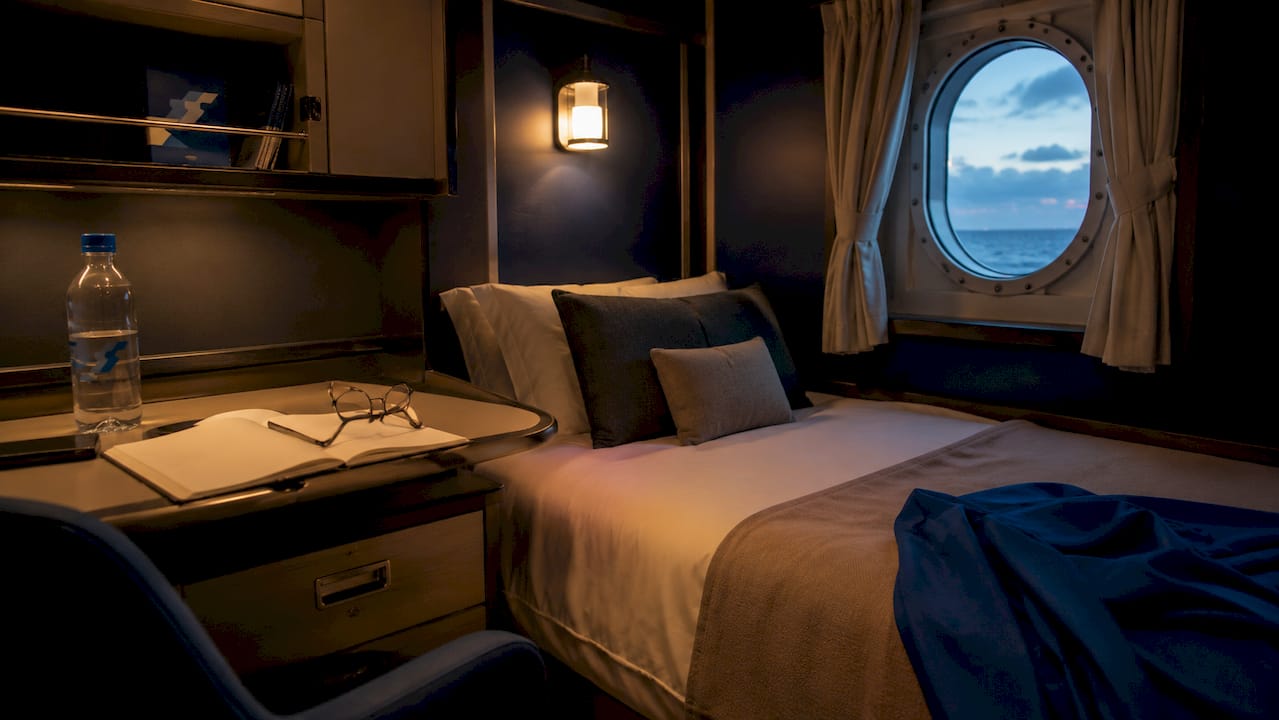
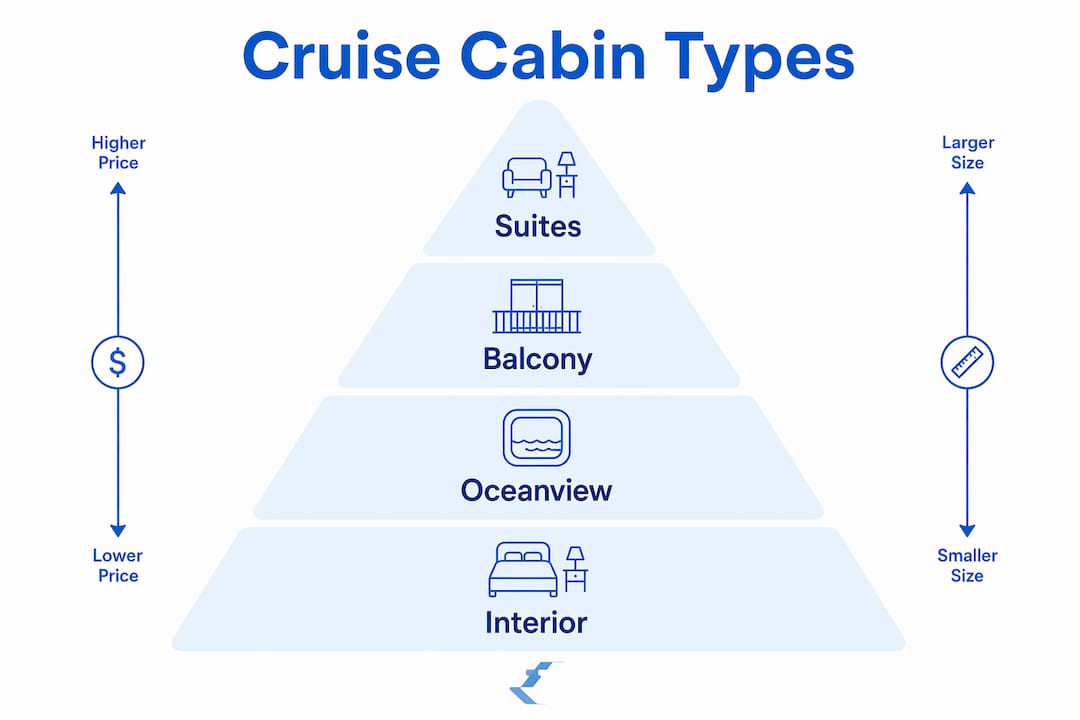
Four primary cruise cabin categories exist across virtually every major cruise line: Interior, Oceanview, Balcony, and Suite. Sizes range from roughly 150 square feet for a basic Interior cabin to over 4,000 square feet for a top-tier Suite. Prices for a 7-night cruise span from around $600 per person on the low end to well above $10,000 per person for the most premium accommodations.
Within each category, cruise lines use subcategory codes such as 4B, 6D, or BA to refine the details further. These codes indicate deck level, position on the ship, view quality, and proximity to noise sources. Two cabins listed under the same category at the same price can feel very different once you understand what those codes actually mean.
Pro Tip: Before you book, look up the deck plan for your specific ship. The category code tells you the type; the deck plan tells you whether your cabin sits above a nightclub or next to an elevator.
What are the four main cruise cabin types?
Each of the four main categories serves a different traveler and a different budget. Here is how they break down.
Interior cabins
Interior cabins are the smallest and least expensive option, typically running 150–185 square feet with no window or natural light. Prices for a 7-night sailing generally fall between $600 and $1,100 per person. They work well for travelers who plan to spend most of their time at ports or on deck and simply need a clean, quiet place to sleep.
The trade-off is real. Cruise ship cabins are significantly smaller than hotel rooms, and claustrophobia is a genuine concern for some first-timers. If you feel uncomfortable in tight, windowless spaces, an Interior cabin will make a long sea day feel much longer.
Oceanview cabins
Oceanview cabins add a fixed window or porthole and run slightly larger at 160–200 square feet. Expect to pay between $750 and $1,400 per person for a 7-night cruise. The natural light alone makes a meaningful difference in how spacious the room feels.
The window does not open, and you have no outdoor access. Still, for travelers who want daylight without paying for a balcony, Oceanview cabins hit a practical middle ground.
Balcony cabins
Balcony cabins are the most popular choice among repeat cruisers, and for good reason. They combine an interior room of roughly 170–210 square feet with a private veranda of 35–50 square feet, giving you outdoor space to watch sunrises, read, or simply breathe fresh sea air. Prices typically range from $1,000 to $2,200 per person for a 7-night sailing.
For scenic itineraries like Alaska, Norway, or the Greek islands, a balcony transforms the experience. You can watch glaciers calve or coastlines appear without fighting for deck space.
Suites
Suites are in a category of their own, ranging from 300 square feet for a Junior Suite to over 4,000 square feet for a flagship Owner’s Suite. Prices start around $2,500 per person and can exceed $10,000 per person for a 7-night cruise. The space alone justifies the cost for families or travelers celebrating a milestone.
| Category | Size | Price (7 nights, per person) | Best for |
|---|---|---|---|
| Interior | 150–185 sq ft | $600–$1,100 | Budget travelers, port-heavy itineraries |
| Oceanview | 160–200 sq ft | $750–$1,400 | Light seekers on a moderate budget |
| Balcony | 170–210 sq ft + veranda | $1,000–$2,200 | Scenic routes, sea days, first-timers |
| Suite | 300–4,000+ sq ft | $2,500–$10,000+ | Families, special occasions, luxury travelers |
How do subcategory codes affect your cabin choice?
Subcategory codes are where cruise booking gets specific. A code like 4B or 6D tells you far more than the broad category label. These codes indicate deck level, cabin position (forward, midship, or aft), view type, and proximity to noise sources or amenities.
Two Balcony cabins in the same price bracket can differ dramatically based on their subcategory. One might sit on deck 8 midship with an unobstructed ocean view. Another might sit on deck 4 forward with a lifeboat blocking half the view and a theater directly below.
Key factors subcategory codes reveal:
- Deck level: Lower decks experience less motion; upper decks offer better views but more sway.
- Position: Forward, midship, or aft placement affects both noise and stability.
- View obstruction: Some balconies face lifeboats or structural elements.
- Noise exposure: Cabins above nightclubs, theaters, or the pool deck carry more sound.
- Layout variations: Some cabins include angled balconies, sofa beds, or extra bathrooms within the same category.
Pro Tip: Cross-reference your cabin number against a site like CruiseDeckPlans.com before finalizing your booking. A five-minute check can save you from a week of noise or a blocked view.
Which cabin location gives you the most comfortable ride?
Cabin location on the ship matters as much as the category itself. Midship cabins experience the least motion and sit closest to elevators and central amenities. For first-timers who are unsure how they handle sea motion, midship is the safest choice.
Forward cabins sit at the bow of the ship. They can be noisier due to anchor operations and tend to feel more movement in rough seas. Some travelers love the forward position for the sense of leading the ship into port. Others regret it after a choppy night.
Aft cabins sit at the stern and offer dramatic wake views. The downside is vibration from the ship’s propulsion system, which some travelers find disruptive during sleep. Aft balconies are a favorite among experienced cruisers who know what to expect.
Deck level adds another layer to the decision. Lower decks experience less motion than upper decks. Decks 8 to 10 in the midship area often represent the best balance of accessibility, motion comfort, and noise avoidance. Cabins near elevators, nightclubs, or the pool deck can be noisy regardless of category.
| Location | Pros | Cons |
|---|---|---|
| Midship | Least motion, best access to amenities | Higher demand, books fast |
| Forward | Unique bow views, often quieter at night | More motion, anchor noise |
| Aft | Scenic wake views | Engine vibration, some noise |
| Lower decks | Less motion | Fewer views, longer walks to pool |
| Upper decks | Better views, closer to pool | More motion, pool deck noise |
What extra perks come with suites and when is upgrading worth it?
Suites deliver far more than extra square footage. Suite perks typically include priority boarding, a dedicated concierge lounge, specialty dining access, free WiFi, and included gratuities. On some ships, suite guests access a private pool deck and restaurant that other passengers never see. This “ship within a ship” concept makes the suite experience feel genuinely separate from the rest of the vessel.
The upgrade calculus depends on your situation:
- Special occasions: Anniversaries, honeymoons, and milestone birthdays justify the premium.
- Families: A suite’s extra living space and sofa beds make traveling with children far more manageable.
- Long itineraries: On a 10 to 14-night sailing, the extra comfort compounds daily. On a 3-night weekend cruise, the value is harder to justify.
- Luxury travelers: If you want the best dining, the fastest boarding, and a private outdoor space, a suite delivers all three.
Upgrading from a Balcony to a Junior Suite often costs $400 to $800 more per person. For that difference, you gain a larger room, a sitting area, and access to the suite concierge. Whether that trade-off makes sense depends entirely on how much time you plan to spend in your cabin.
Pro Tip: Check for cruise price drops in the weeks before sailing. Suite upgrades sometimes appear at steep discounts when ships have unsold inventory close to departure.
For a deeper look at what suites include across different cruise lines, the suite features guide on ChooseCruise breaks down perks by ship class.
Key Takeaways
Choosing the right stateroom category requires matching your budget, comfort needs, and itinerary to the correct cabin type and location on the ship.
| Point | Details |
|---|---|
| Four core categories | Interior, Oceanview, Balcony, and Suite cover every price point from $600 to $10,000+ per person. |
| Subcategory codes matter | Codes like 4B or BA reveal deck, position, view quality, and noise exposure within the same category. |
| Location beats size | Midship cabins on decks 8–10 offer the best balance of motion comfort and amenity access. |
| Suites include real perks | Priority boarding, free WiFi, specialty dining, and concierge service come standard in most suite tiers. |
| Balconies suit most first-timers | A private veranda adds outdoor space that pays off most on scenic or sea-heavy itineraries. |
The thing most first-time cruisers get wrong about cabin categories
Most first-timers focus almost entirely on the category label and the price. They see “Balcony” and assume any Balcony cabin will do. That assumption is where the regret starts.
The most common cruise regret is not the itinerary or the ship. It is the cabin location. A Balcony cabin above the ship’s main theater will have you hearing bass lines at midnight. A forward Interior cabin on a transatlantic crossing will have you feeling every wave. Neither of those problems shows up in the category name.
My honest advice for first-timers is to spend 80% of your research time on location and only 20% on the category tier. A midship Oceanview cabin on deck 9 will almost always deliver a better experience than a forward Balcony on deck 4, even though the Balcony costs more. The cabin selection guide on ChooseCruise walks through exactly this kind of trade-off with real ship deck plans.
The other thing I tell people: match the cabin to the itinerary. On a port-intensive Caribbean cruise where you are off the ship by 8 a.m. every day, an Interior cabin is a perfectly rational choice. On an Alaska sailing with glacier viewing days, a Balcony is not a luxury. It is the whole point.
— Igor
Find the right cabin faster with ChooseCruise
Knowing your cabin category is the first step. Finding the right cabin at the right price is where ChooseCruise comes in.
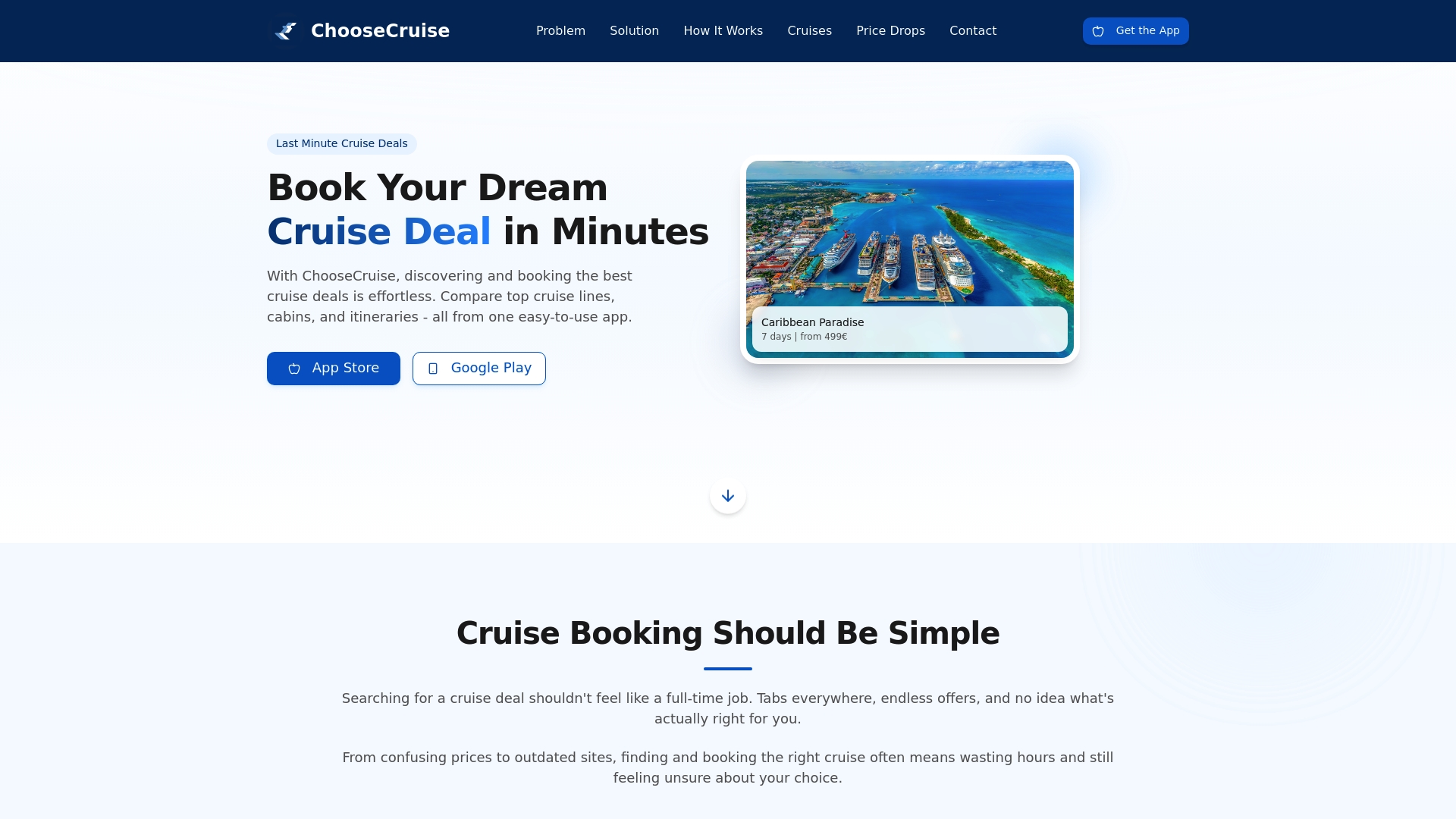
ChooseCruise lets you filter cruise deals by cabin type, deck, and price range in real time. You can track price drops on specific sailings, compare cabin categories side by side, and book directly without wading through outdated listings. Whether you are looking for a budget Interior on a short Caribbean run or a Suite for a special occasion, browse cruise deals on ChooseCruise to see what is available right now. The platform updates pricing continuously, so you always see the current market rate before you commit.
FAQ
What does a stateroom category mean on a cruise?
A stateroom category is the classification cruise lines use to group cabins by type, size, view, and amenities. The four main categories are Interior, Oceanview, Balcony, and Suite.
What is the difference between inside and outside cabins?
Inside cabins have no window and no natural light, while outside cabins include either a fixed window (Oceanview) or a private balcony. Outside cabins cost more but significantly reduce the closed-in feeling of a windowless room.
Are balcony cabins worth the extra cost for first-timers?
Balcony cabins are worth the upgrade on scenic itineraries like Alaska or the Mediterranean, where outdoor viewing is a core part of the experience. On short or port-heavy sailings, the added cost is harder to justify.
What do subcategory codes like 4B or BA mean?
Subcategory codes refine the broad category by specifying deck level, ship position (forward, midship, or aft), view quality, and proximity to noise sources. Two cabins with the same category code but different subcategory codes can feel very different on board.
Which cabin location is best for avoiding seasickness?
Midship cabins on lower to middle decks experience the least motion and are the best choice for travelers prone to seasickness. The midship area on decks 8 to 10 offers a stable ride with easy access to the ship’s main amenities.
Recommended
Related reading
6 Best Cruise Destinations 2026 for Smart First-Time Travelers
Discover the 6 best cruise destinations 2026 with expert tips for tech-savvy first-time travelers, including personalized advice for easier cruise booking.
Cruise Package Explained: Stress-Free Vacation Booking
Cruise package means bundled travel with accommodations, meals, entertainment, excursions. Learn the types, inclusions, pros, costs, and mistakes to avoid.
7 Smart Ways to Save on Cruises for Modern Travelers
Discover 7 smart ways to save on cruises with easy, practical tips designed for today’s digital cruise travelers. Learn to maximize value and minimize costs.