Cruise Solo Traveler: What You Need to Know in 2026
TL;DR:
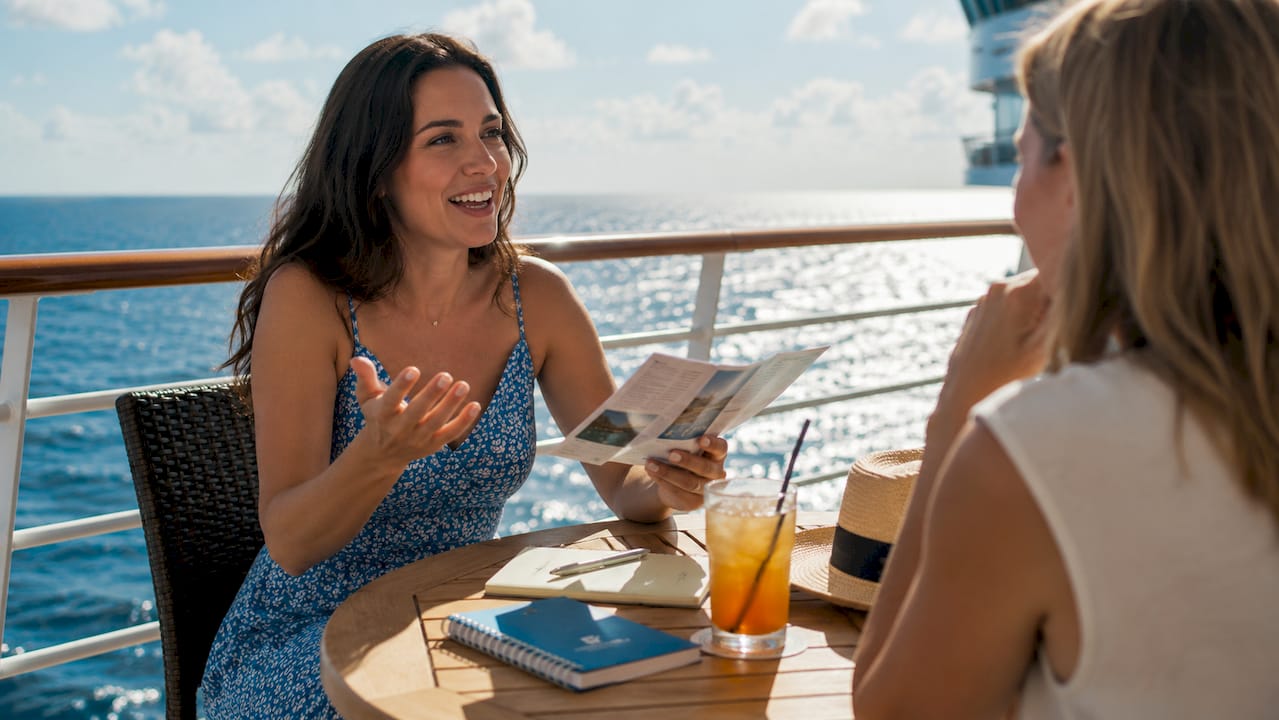
- A solo cruise involves a passenger booking and occupying a cabin alone, controlling their itinerary independently. It offers flexible, social experiences through dedicated spaces and events, making it easier to connect with others. Many lines now provide studio cabins and promotions that minimize extra costs for solo travelers.
A cruise solo traveler is an independent passenger who books and occupies a cabin alone, managing their own schedule without a travel companion. This is distinct from a singles cruise, which is a themed sailing designed around matchmaking and group social programming. Solo cruising is one of the fastest-growing segments in the cruise industry, driven by a desire for freedom, personal adventure, and access to onboard social communities. Whether you are 25 or 60, cruising alone offers a level of flexibility that group travel rarely matches.
What is a cruise solo traveler, and how is it different from a singles cruise?
A solo cruise is an independent vacation where one passenger occupies a cabin alone and controls their own itinerary. A singles cruise, by contrast, is a themed sailing built around social events, mixers, and matchmaking programs. Confusing the two is the most common misconception new solo travelers carry into their first booking.
The industry term for this type of traveler is “solo cruiser” or “single occupancy passenger.” Cruise lines use “single occupancy” as a formal cabin classification, which directly affects pricing. Understanding this term matters because it determines what fees apply and which cabin categories are available to you.
Solo cruising continues to grow as a travel trend, fueled by travelers who want adventure and community on their own terms. Ships are responding by designing more solo-specific spaces, events, and cabin categories than ever before. That shift makes 2026 one of the best years to book your first independent voyage.
What experiences can solo travelers expect on a cruise ship?
Solo cruising is inherently social if you seek it out, but it never forces interaction on you. That balance is one of its biggest advantages over solo land travel, where isolation can feel harder to escape. On a ship, you choose your level of engagement every single day.
Most modern ships offer dedicated spaces and programs built specifically for solo travelers:
- Solo Lounges: Private areas where solo travelers gather informally, making it easy to meet people without the pressure of a structured event.
- Hosted icebreaker events: Organized meetups at the start of a sailing where solo travelers are introduced to each other by cruise staff.
- Group shore excursions: Pre-booked tours that put you alongside other passengers, removing the stress of exploring a port alone.
- Communal dining tables: Many ships offer “share a table” options at dinner, pairing solo travelers with small groups for a relaxed social meal.
- Onboard clubs and classes: Cooking demos, trivia nights, dance lessons, and fitness classes all create natural meeting points.
Ships now feature Solo Lounges and hosted social events specifically designed to help solo travelers build onboard connections. These spaces remove the awkwardness of walking into a bar alone and replace it with a ready-made social setting.
Dining alone can feel uncomfortable at first, but cruise ships offer communal tables and flexible dining times that make the experience far easier than a restaurant ashore. Most ships with freestyle dining let you show up when you want and sit where you like.
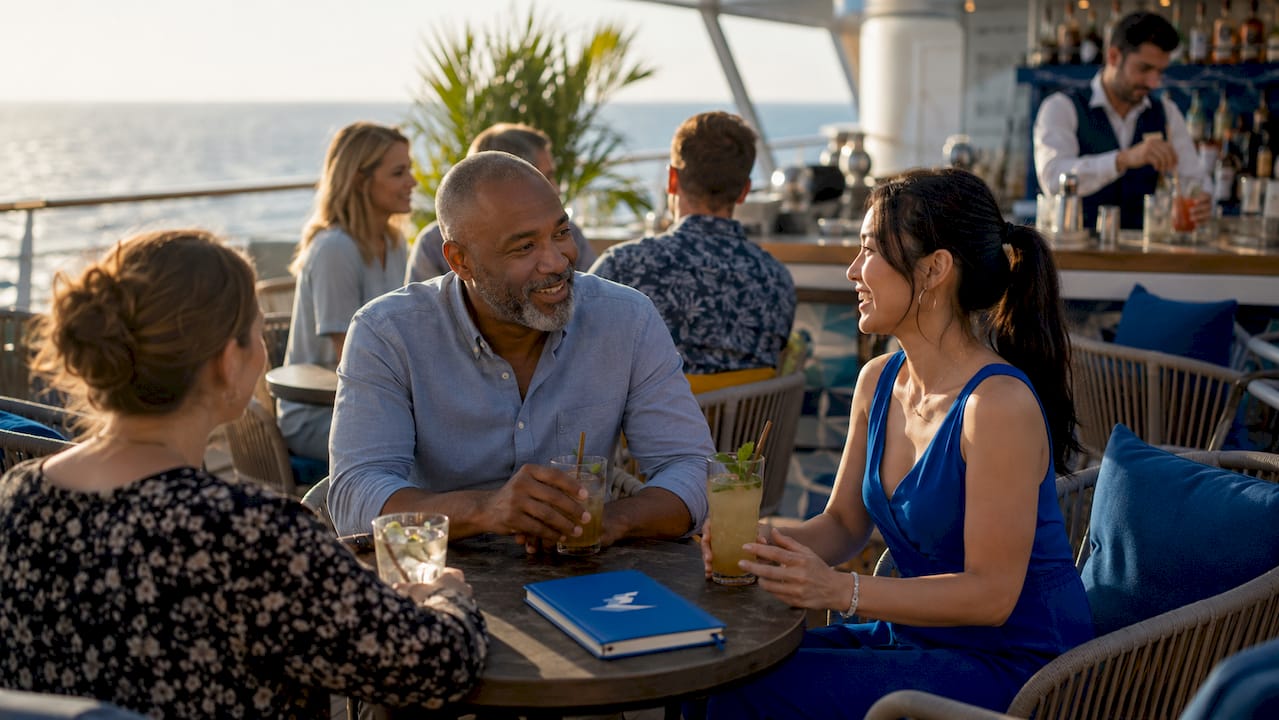
Pro Tip: Request a communal table at the main dining room on your first night. It is the single fastest way to meet fellow travelers and set a social tone for the rest of the sailing.
How do cruise lines accommodate solo travelers in terms of cabins and pricing?
Cabin pricing is the most financially significant factor in the solo cruise planning process. Many cruise lines charge a single supplement fee, often 100% of the double-occupancy rate, to compensate for the revenue lost from the unoccupied second berth. That means a cabin priced at $1,000 per person for two travelers could cost a solo traveler $2,000 total.
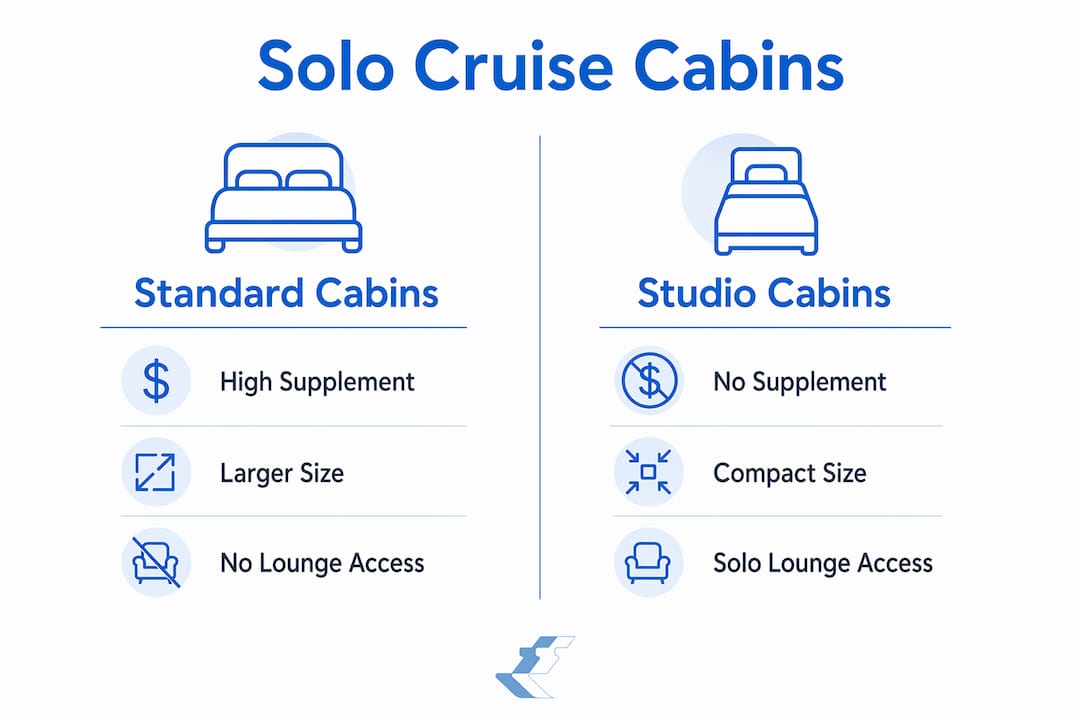
The rise of dedicated solo cabins, commonly called “studios,” has changed this equation significantly. Studio cabins are smaller and priced for one person, with no single supplement applied. Many also include access to an exclusive solo lounge, which doubles as a social hub. These cabins are not available on every ship, but their presence is expanding across major fleets.
| Cabin type | Solo supplement | Typical size | Solo lounge access |
|---|---|---|---|
| Interior (standard) | Up to 100% extra | 150–180 sq ft | No |
| Balcony (standard) | Up to 100% extra | 180–220 sq ft | No |
| Studio (solo-dedicated) | None | 100–140 sq ft | Yes |
| Suite (single occupancy) | Varies by line | 300+ sq ft | Sometimes |
The studio cabin is the best value option for solo travelers on ships that offer it. The smaller footprint is a fair trade for paying a fair price. If your chosen ship does not have studios, look for sailings that advertise reduced or waived single supplements, which cruise lines occasionally run as promotions.
Pro Tip: Book studio cabins as early as possible. They are limited in number and sell out faster than standard cabins because demand from solo travelers consistently outpaces supply.
What practical planning should solo travelers consider?
A solid solo cruise planning process starts well before you step on the ship. These steps make the difference between a stressful first voyage and a confident one.
-
Arrive a day early. Early arrival at the departure city is critical for solo travelers. A flight delay with no travel partner to help problem-solve is a real risk. Arriving the night before gives you a buffer and removes that stress entirely.
-
Start with a short cruise. Experienced solo travelers recommend 3–5 night sailings for first-time solo voyages. A shorter trip lets you test your comfort level, learn the ship’s layout, and gauge how much social interaction you want before committing to a longer itinerary.
-
Join a pre-cruise roll call. Online forums and roll call groups let you connect with other passengers before embarkation. Knowing even one or two people before you board removes the anxiety of walking onto a ship full of strangers.
-
Build a loose daily plan. Review the ship’s daily schedule each morning and mark two or three activities you want to attend. You do not need to fill every hour, but having anchors in your day prevents the aimless feeling that can creep in on sea days.
-
Pack light and practical. Solo travelers carry their own bags through airports, ports, and gangways. A carry-on plus one checked bag is the practical limit for most itineraries. Pack versatile clothing that works for both casual deck time and formal dining nights.
-
Book excursions in advance. Shore excursions through the ship or reputable local operators are the safest choice for solo travelers in unfamiliar ports. Group tours also connect you with other passengers in a low-pressure setting.
-
Know your safety basics. Keep a copy of your passport and travel documents stored separately from the originals. Share your itinerary with someone at home. Review cruise safety tips before departure so you board with confidence, not anxiety.
Pro Tip: Download the ship’s app before you sail. Most major cruise lines have apps that show the daily schedule, dining menus, and port maps. For a solo traveler managing their own day, it is an indispensable tool.
What are the top solo cruise destinations?
Destination choice shapes the entire solo cruising experience, from excursion options to the ease of exploring ports independently. Popular solo cruise destinations include the Caribbean, Mediterranean, and Alaska, each offering a distinct experience for independent travelers.
- Caribbean: Short itineraries of 3–7 nights make the Caribbean ideal for first-time solo cruisers. Ports like Nassau, Cozumel, and St. Thomas are well-developed for independent exploration, with clear signage, established tour operators, and English widely spoken.
- Mediterranean: Longer sailings of 7–12 nights suit solo travelers who want cultural depth. Cities like Barcelona, Dubrovnik, and Santorini reward independent exploration. The trade-off is a higher price point and more complex logistics in some ports.
- Alaska: Alaska cruises attract a nature-focused crowd that tends to be open and conversational. Excursions like whale watching and glacier hikes are naturally communal, making it easy to connect with fellow passengers ashore.
- Transatlantic: A niche but rewarding choice for solo travelers who enjoy sea days. Long stretches at sea force you to engage with the ship’s social programming, which accelerates friendships in a way that port-heavy itineraries do not.
Itinerary length matters as much as destination. Shorter sailings give you a low-stakes introduction to solo cruising. Longer voyages give social bonds time to develop. Most solo travelers find that a 7-night sailing hits the sweet spot between variety and depth.
Pro Tip: Choose a destination where at least some ports are walkable from the pier. Walking off the ship independently, without booking a tour, is one of the most liberating experiences in solo cruising.
Key takeaways
A cruise solo traveler is an independent single-occupancy passenger who controls their own itinerary, and the right cabin type, destination, and pre-trip planning determine how rewarding that experience becomes.
| Point | Details |
|---|---|
| Solo vs. singles cruise | Solo cruising is independent travel; singles cruises are themed matchmaking sailings. |
| Single supplement cost | Standard cabins often carry a 100% surcharge for solo occupancy; studio cabins eliminate this fee. |
| Start short | A 3–5 night cruise is the best first solo voyage to test comfort and social preferences. |
| Arrive early | Flying in a day before departure removes the biggest logistical risk for solo travelers. |
| Best destinations | Caribbean, Mediterranean, and Alaska offer the strongest mix of excursions and social opportunity. |
Why solo cruising changed how I think about travel
Solo cruising taught me something that no travel article prepared me for: the ship itself becomes your safety net. On land, traveling alone means navigating unfamiliar cities, finding your own meals, and managing every problem without backup. On a ship, your bed, your food, and your community travel with you. That structural support removes the friction that makes solo land travel exhausting.
The first time I attended a hosted solo traveler meetup on a Caribbean sailing, I expected it to feel forced. It did not. The people in that room had all made the same decision to show up alone, and that shared choice created an immediate sense of trust. By day three, I had a small group to explore ports with and a table of regulars at dinner.
The mistake most first-time solo cruisers make is waiting to be approached. The ship’s social infrastructure is there, but you have to use it. Attend the icebreaker event on day one. Sit at a communal table. Say yes to the trivia night even if you think you will be terrible at it. The solo cruise planning guide matters, but your willingness to engage matters more.
Solo cruising also builds a specific kind of confidence. Making decisions for yourself, navigating a port alone, and managing your own day without deferring to a travel partner are skills that carry over into every area of life. The freedom is real, and it compounds.
— Igor
Plan your solo cruise with ChooseCruise
Solo travelers deserve a booking experience built around their actual needs, not one designed for couples and families that they have to work around.
ChooseCruise filters cruise deals specifically for solo travelers, showing you which ships have studio cabins, which sailings waive the single supplement, and which itineraries suit independent travelers best. If you want to test solo cruising before committing to a full week at sea, 3-day cruise deals are a practical starting point. Browse real-time prices, compare cabin categories, and book with confidence at ChooseCruise.
FAQ
What is a solo cruise traveler?
A solo cruise traveler is a passenger who books and occupies a cabin alone, managing their own schedule independently. This differs from a singles cruise, which is a themed sailing focused on social matchmaking.
Do solo travelers pay more for a cruise cabin?
Many cruise lines charge a single supplement of up to 100% on standard cabins for solo occupancy. Dedicated studio cabins eliminate this fee and are the most cost-effective option for solo travelers.
What cruise lines have single cabins?
Several major cruise lines offer dedicated solo studio cabins on select ships, with no single supplement applied. Availability varies by ship and sailing date, so filtering by cabin type before booking is the most reliable approach.
How long should a first solo cruise be?
A 3–5 night cruise is the recommended starting point for first-time solo travelers. Shorter sailings reduce financial risk and let you gauge your comfort level before booking a longer voyage.
Is solo cruising safe?
Solo cruising is considered one of the lower-risk forms of independent travel because the ship provides a structured, staffed environment at all times. Reviewing basic cruise safety practices before departure adds an extra layer of confidence.
Recommended
Related reading
6 Best Cruise Destinations 2026 for Smart First-Time Travelers
Discover the 6 best cruise destinations 2026 with expert tips for tech-savvy first-time travelers, including personalized advice for easier cruise booking.
Cruise Package Explained: Stress-Free Vacation Booking
Cruise package means bundled travel with accommodations, meals, entertainment, excursions. Learn the types, inclusions, pros, costs, and mistakes to avoid.
7 Smart Ways to Save on Cruises for Modern Travelers
Discover 7 smart ways to save on cruises with easy, practical tips designed for today’s digital cruise travelers. Learn to maximize value and minimize costs.