Flexible Cruise Booking Explained: 2026 Traveler Guide

TL;DR:
- Flexible cruise booking allows travelers to change or cancel plans within set deadlines with reduced penalties. The type of fare chosen determines the actual protection, with refundable fares offering cash returns and non-refundable fares issuing credits. Booking early and understanding the policies help travelers maximize flexibility and avoid costly mistakes.
Flexible cruise booking is defined as a reservation structure that lets travelers change or cancel their cruise plans within set time frames, with reduced financial penalties compared to standard bookings. The industry often calls this “flexible fare” or “refundable fare” booking, and the distinction matters because fare selection directly determines your financial risk. Final payment deadlines fall at 75 days before departure for cruises up to 14 nights and at 125 days for cruises 15 nights or longer. These deadlines are the backbone of every flexible booking policy. Miss them, and your flexibility window closes fast.
What is flexible cruise booking and what does it include?
Flexible cruise booking covers several distinct features that work together to protect your travel investment. The most common components are refundable fares, adjustable deposit policies, and Future Cruise Credits (FCCs). Each one gives you a different kind of protection depending on when and why your plans change.
Fare types are the starting point for any flexibility decision:
- Refundable fares return cash to your original payment method if you cancel before the final payment deadline. They cost more upfront but carry zero financial risk if plans fall apart.
- Non-refundable fares offer deeper discounts but convert your deposit into a Future Cruise Credit rather than a cash refund when you cancel. Non-refundable deposits convert into FCCs minus a service fee, often $100 per person.
- Restricted fares sit at the bottom of the flexibility scale. They carry the lowest price but the highest cancellation penalties.
The cancellation window is equally critical. Flexibility applies mainly up to the final payment deadline, after which penalties reset to much higher levels. Once you pass that deadline, you are effectively locked in unless you purchased “cancel for any reason” travel insurance.
Future Cruise Credits deserve special attention. They preserve the dollar value of your booking but come with real limits. FCCs typically carry a 12-month validity and are non-transferable, meaning you cannot hand them to a friend or family member. That 12-month window sounds generous, but it can disappear quickly if you are not actively planning your next trip.
Pro Tip: Book your cruise as early as possible and note the final payment deadline in your calendar the same day. That single habit prevents the most common and costly flexibility mistake travelers make.
How do flexible booking policies differ across cruise lines?
Flexibility is not a uniform industry standard. Every cruise line sets its own rules, and the differences can be significant. Some lines embed flexibility directly into their fare tiers. Others sell it as a paid add-on, similar to travel insurance. Neither approach is automatically better. The right one depends on how you travel and how much uncertainty you are comfortable carrying.

The table below shows the key policy dimensions travelers should compare when evaluating cruise booking flexibility:
| Policy dimension | What to look for |
|---|---|
| Fare type structure | Refundable vs. non-refundable vs. restricted tiers |
| Cancellation window | Days before departure when penalties begin |
| Deposit handling | Cash refund vs. Future Cruise Credit conversion |
| FCC validity | Expiration period and transferability rules |
| Service fees | Per-person fees applied to changes or cancellations |
| Flexibility add-ons | Optional paid plans that extend cancellation rights |
One area where policies converge is service recovery. When a cruise line cancels or significantly alters an itinerary, travelers with flexible bookings typically face fewer penalties when rebooking. This is the real-world test of a cruise line’s flexibility commitment. A policy that looks generous on paper should also hold up when the cruise line itself is the one changing plans.
Cost is the other major variable. Flexible fares generally cost more than restricted fares because the cruise line absorbs more financial risk. That premium is a calculated trade-off. For travelers with firm travel dates and no foreseeable disruptions, a restricted fare may be the smarter financial call. For anyone with unpredictable work schedules, family obligations, or health considerations, the higher upfront cost of a flexible fare is often worth it.
Pro Tip: Always read the FCC terms before booking a non-refundable fare. The expiration date and non-transferability clause are the two details most travelers overlook, and both can cost you the full value of your credit.
What are the benefits and limitations of flexible cruise booking?
Flexible booking delivers real advantages, but it also comes with constraints that travelers frequently misunderstand. Knowing both sides prevents expensive surprises.
The core benefits are:
- Peace of mind. You can book months in advance without committing fully to a date you are not certain about.
- Protection against life events. Job changes, medical issues, and family emergencies happen. A flexible fare limits the financial damage.
- Itinerary change protection. Service recovery during itinerary disruptions is often more favorable for travelers who booked flexible fares.
- Better planning control. You can lock in a cabin category and price early, then adjust details as your plans solidify.
The real limitations are:
- FCCs are not cash. Many travelers assume a “flexible” booking means a full cash refund in all scenarios. It does not. Non-refundable fares return credits, not dollars.
- Credits expire. Future Cruise Credits expire typically 12 months after issuance, which forces you to rebook within that window or lose the value entirely.
- Service fees reduce your credit. A $100-per-person service fee on a family of four means $400 comes off the top before your FCC is even issued.
- Non-transferability limits options. You cannot use your FCC for a different traveler, which matters if the person who booked cannot travel but someone else in the family can.
First-time cruisers benefit most from refundable fares because they have the least experience predicting how their plans will hold up. Tech-savvy travelers who monitor prices and deadlines closely may find non-refundable fares with FCCs acceptable, provided they plan to cruise again within the credit window. The right choice depends entirely on your personal risk tolerance and travel patterns.
How can travelers use flexible booking options effectively?
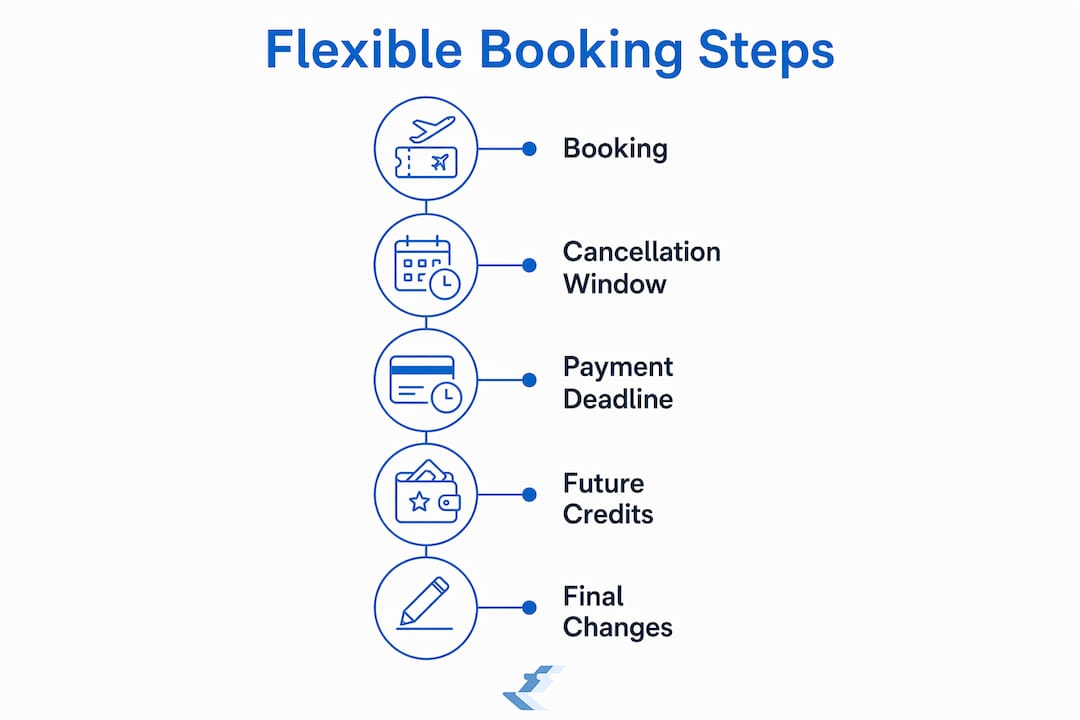
Getting the most from cruise flexibility requires a deliberate approach, not just picking the “flexible” label at checkout. These steps give you a clear path from booking to departure.
- Identify your fare type first. Before comparing prices, decide whether you need a refundable or non-refundable fare. Fare selection determines your flexibility level and sets the rules for every decision that follows.
- Mark your final payment deadline immediately. Set a calendar reminder 30 days before the deadline so you have time to cancel or modify without penalty if needed.
- Read the FCC terms in full. Note the expiration date, the service fee amount, and whether the credit is transferable. These three details define the real value of your flexibility.
- Consider travel insurance for post-deadline protection. “Cancel for any reason” policies extend your flexibility window beyond what the cruise line offers. They cost extra but cover scenarios that flexible fares do not.
- Use platforms that show fare types clearly. Booking platforms like ChooseCruise provide filters and detailed fare explanations that help travelers identify flexible options without digging through fine print on multiple sites.
- Book early for the best cabin selection. Flexible fares sell out faster than restricted ones because demand for low-risk bookings is high. Early booking also gives you the longest possible window to change plans without penalty.
Pro Tip: If you are booking a cruise 15 nights or longer, your final payment deadline is 125 days out. That is more than four months before departure. Set your reminder the day you book, not the week before.
Key Takeaways
Flexible cruise booking protects your travel investment by giving you defined windows to cancel or change plans, but the level of protection depends entirely on the fare type you choose and the specific policies of your cruise line.
| Point | Details |
|---|---|
| Fare type drives flexibility | Refundable fares return cash; non-refundable fares convert deposits to credits with fees. |
| Deadlines are fixed | Final payment deadlines fall at 75 days (short cruises) or 125 days (15+ nights) before departure. |
| FCCs have real limits | Future Cruise Credits expire in 12 months, carry service fees, and are non-transferable. |
| Policies vary by cruise line | No single industry standard exists; flexibility rules differ significantly across cruise lines. |
| Platform choice matters | Booking through transparent platforms like ChooseCruise helps you compare fare types without guesswork. |
Why flexible booking policies deserve more attention than they get
Flexible cruise booking has shifted from a niche option to a genuine planning tool, and I think most travelers still underestimate how much the fine print matters. The phrase “flexible booking” sounds reassuring, but the gap between a refundable fare and a non-refundable fare with an FCC is enormous in practice. I have seen travelers assume they would get cash back, only to discover their credit expires before they can use it.
The industry trend toward flexibility is real, but it is not uniform. Cruise lines have responded to traveler demand by expanding their flexible fare offerings, yet they have also added service fees and tighter FCC terms to offset the cost. That is not a criticism. It is a trade-off, and travelers who understand it make better decisions.
My honest advice for first-time cruisers: pay the premium for a refundable fare on your first booking. You do not yet know how your plans will hold up, and the peace of mind is worth more than the discount. For experienced travelers who cruise regularly, a non-refundable fare with an FCC can work well, provided you are confident you will cruise again within 12 months. The key is matching your fare type to your actual travel behavior, not to what sounds best in a marketing description.
Tech-savvy travelers have a real advantage here. Using a platform that shows flexible fare options side by side with clear policy summaries removes the guesswork that trips up less experienced bookers. Read the terms, set your deadlines, and choose the fare that fits your life. That is the whole strategy.
— Igor
ChooseCruise makes finding flexible fares straightforward
Planning a cruise with the right level of flexibility starts with seeing your options clearly. ChooseCruise is built for travelers who want real fare details, not buried fine print.
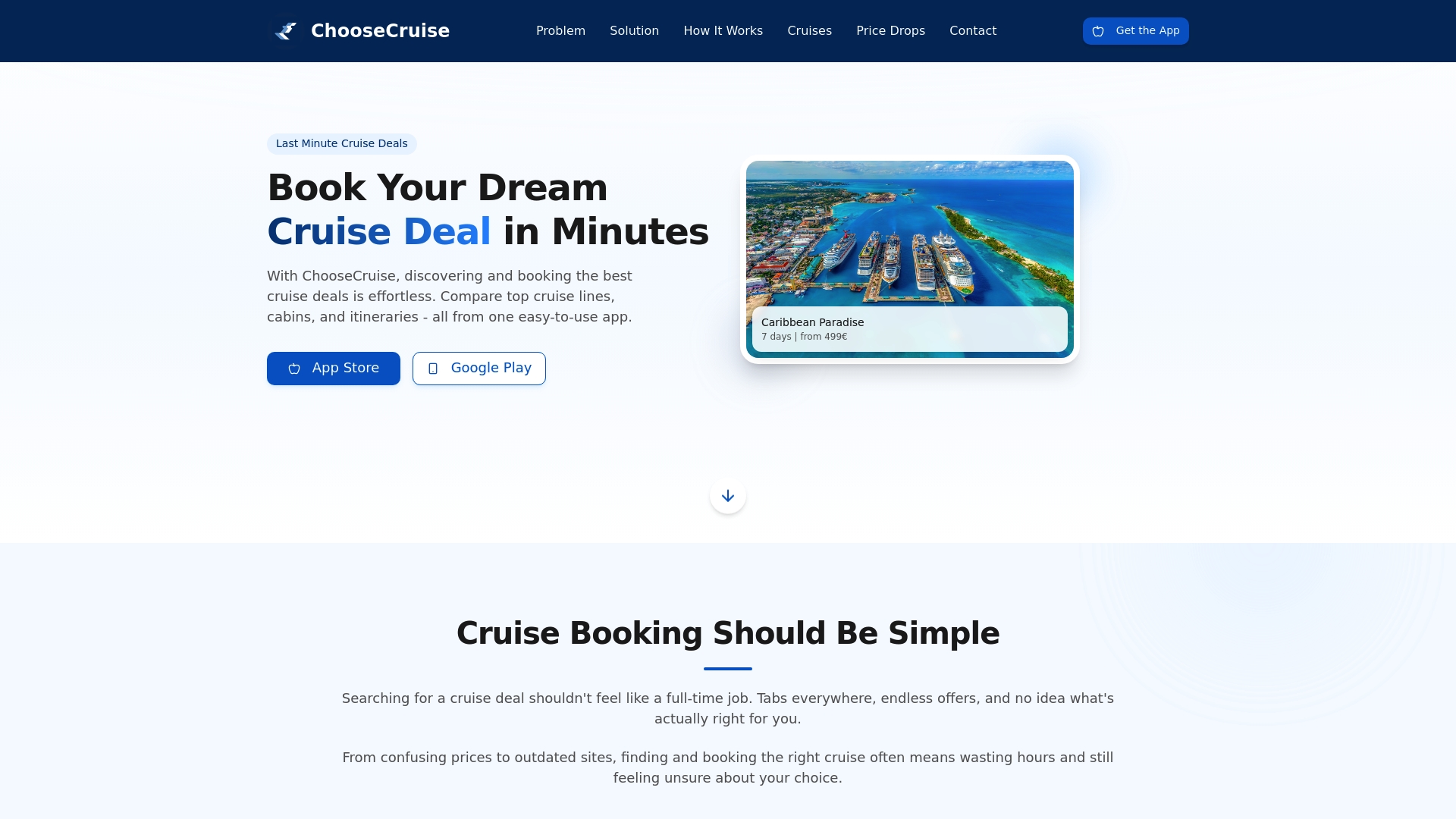
ChooseCruise displays refundable and non-refundable fare types side by side, with plain-language summaries of cancellation windows, deposit rules, and FCC terms. You can filter by flexibility level before you even look at prices. Whether you are booking a short 3-day cruise or a longer voyage, ChooseCruise gives you the information to choose with confidence. Find and compare cruise deals across hundreds of itineraries and fare types, all in one place.
FAQ
What is flexible cruise booking in simple terms?
Flexible cruise booking is a reservation type that lets you change or cancel your cruise plans within set deadlines with reduced financial penalties. The level of flexibility depends on the fare type you choose at booking.
Can you change cruise dates with a flexible booking?
Yes, most flexible fares allow date changes before the final payment deadline without full penalty. After that deadline, changes typically trigger cancellation fees or convert your deposit to a Future Cruise Credit.
How does a Future Cruise Credit work?
A Future Cruise Credit is issued when you cancel a non-refundable fare booking. It holds the value of your deposit minus any service fees and must be used within 12 months of issuance.
Are flexible cruise fares always more expensive?
Flexible fares generally cost more than restricted or non-refundable fares because they carry less financial risk for the traveler. The price difference reflects the added protection, not a premium for the same product.
What happens if the cruise line cancels my trip?
When a cruise line cancels or significantly changes an itinerary, travelers with flexible bookings typically receive more favorable rebooking options and fewer penalties. This service recovery scenario is one of the strongest practical benefits of booking a flexible fare.
Recommended
Related reading
6 Best Cruise Destinations 2026 for Smart First-Time Travelers
Discover the 6 best cruise destinations 2026 with expert tips for tech-savvy first-time travelers, including personalized advice for easier cruise booking.
Cruise Package Explained: Stress-Free Vacation Booking
Cruise package means bundled travel with accommodations, meals, entertainment, excursions. Learn the types, inclusions, pros, costs, and mistakes to avoid.
7 Smart Ways to Save on Cruises for Modern Travelers
Discover 7 smart ways to save on cruises with easy, practical tips designed for today’s digital cruise travelers. Learn to maximize value and minimize costs.