Personalizing Cruise Itineraries: A First-Timer’s Guide

TL;DR:
- Personalizing cruise itineraries involves matching ports, activities, and ship culture to your emotional goals and travel style. AI tools quickly generate preference-based sailing options, helping to avoid costly planning mistakes. Balancing active and restful days ensures a comfortable, enjoyable cruise experience tailored to your needs.
Personalizing cruise itineraries means tailoring every element of your voyage, from ports of call to daily onboard activities, to match your specific interests, travel style, and emotional goals. First-time cruisers aged 25–45 often book a ship and assume the experience will sort itself out. It rarely does. Data-driven planning frameworks improve itinerary segmentation quality by at least 40% compared to traditional guesswork methods. That gap is the difference between a vacation you remember and one you merely survived. ChooseCruise exists to close that gap with AI-powered tools and real-time recommendations built for travelers who want more than a generic package.
How does personalizing cruise itineraries actually work?
Personalizing cruise itineraries is the industry’s term for what hospitality professionals call “preference-matched voyage planning.” The process starts before you ever look at a ship. Itinerary personalization begins by aligning your travel plans with emotional goals and a desired trip rhythm, not just a list of ports. That reframe matters because most first-timers shop by destination first and end up on the wrong ship for their personality.
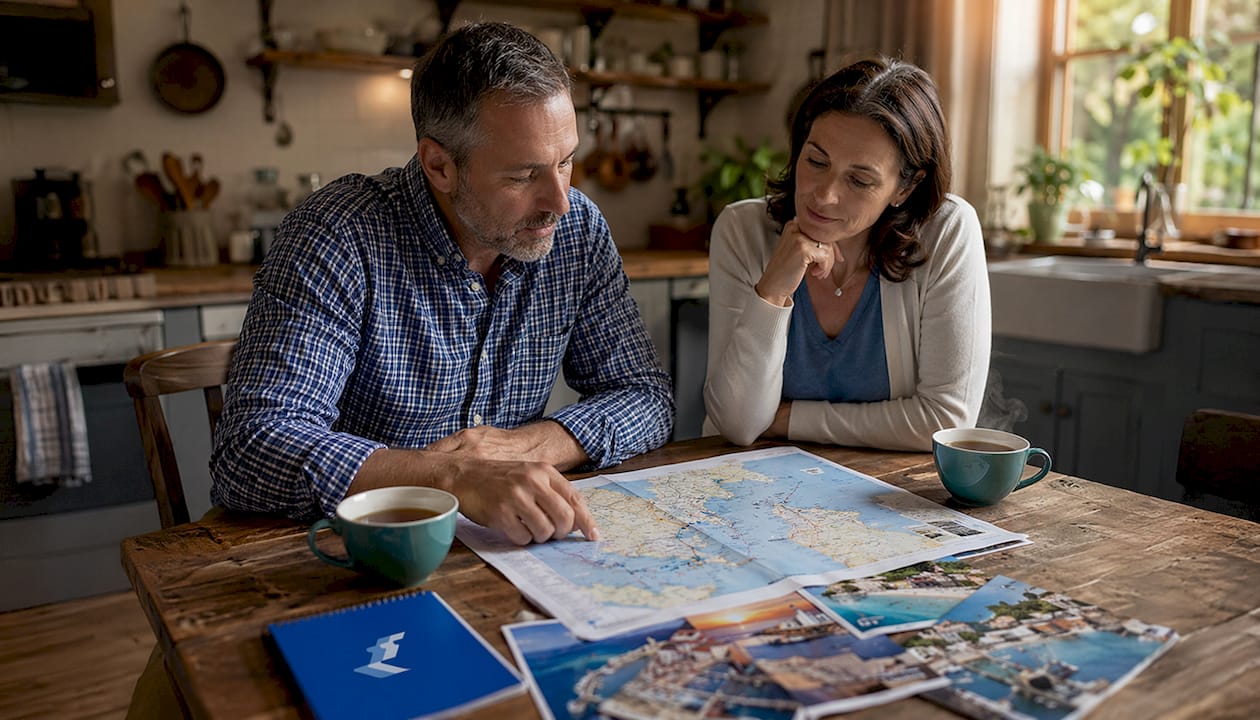
The core insight is simple: no itinerary is inherently bad. Every itinerary is only misaligned or well-matched to the traveler booking it. A 12-night Mediterranean sailing packed with UNESCO World Heritage ports is perfect for a history-obsessed couple in their 30s. It is exhausting and expensive for someone who wants to decompress by a pool. Knowing which traveler you are before you book is the entire game.
First-time cruisers benefit far more from tools that clarify itinerary rhythm and cultural texture than from simply counting ports. More stops does not mean more value. It often means more rushing.
How to assess your travel goals before you plan
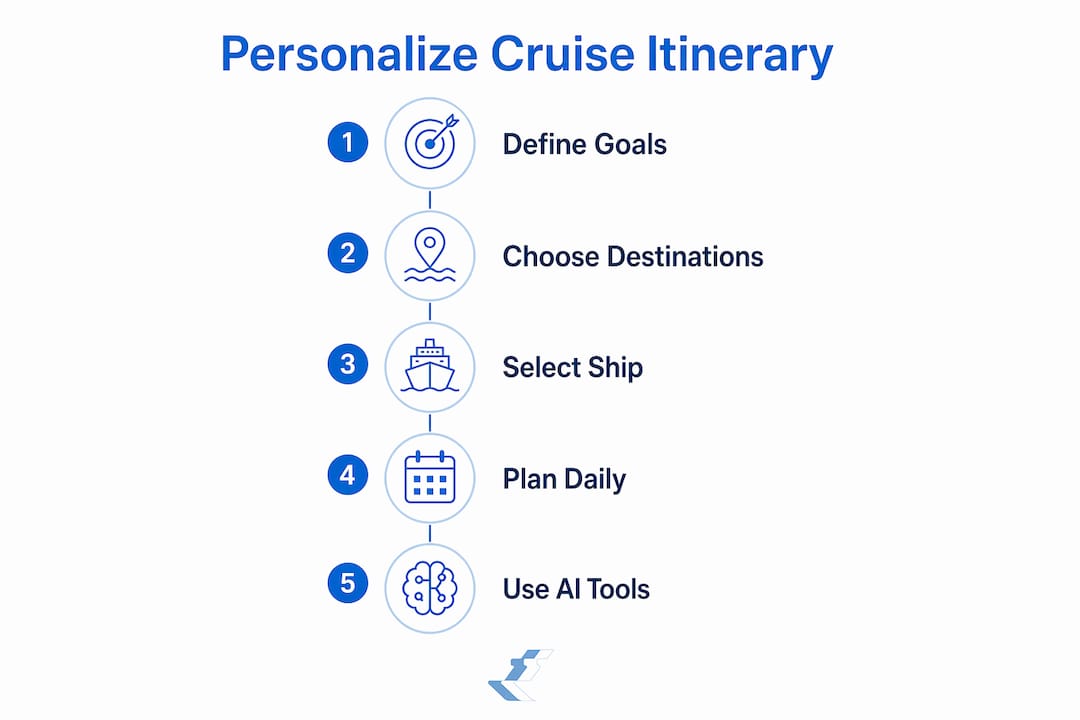
Your emotional goals are the foundation of any custom cruise plan. Ask yourself what you want to feel at the end of the trip: rested, stimulated, connected, adventurous? That answer shapes every downstream decision, from ship size to excursion type.
Start with these four questions before you touch a booking platform:
- What is your activity level? Do you want hiking, snorkeling, and city walking tours, or do you want spa days and long lunches?
- What is your social preference? Large ships carry thousands of passengers and offer nightlife and variety. Smaller ships feel more intimate and reach ports that big vessels cannot.
- What is your pacing tolerance? Some travelers thrive on a new port every day. Others need two sea days per week to recharge.
- What is your realistic budget per port? Excursion costs and booking timings vary significantly and directly affect your total itinerary cost. Budget for them before you commit to a sailing.
Pacing is the most underrated factor in cruise planning. A traveler who books seven consecutive port days without a sea day often hits a wall by day five. That is not a destination problem. It is a rhythm problem.
Pro Tip: Write down three words that describe how you want to feel on the last day of your cruise. Use those words as a filter every time you evaluate an itinerary option.
Can AI tools really help you build a personalized cruise plan?
AI has changed how travelers build tailored cruise trips, and the results are measurable. AI-powered cruise planners generate personalized ship and cabin matches in about 2 minutes through a simple quiz. That speed matters because decision fatigue is real. When you face hundreds of sailings across dozens of cruise lines, a 2-minute filter cuts the noise immediately.
Here is how AI-assisted cruise planning works in practice:
- Input your preferences. You answer questions about travel style, budget, trip length, and desired destinations. The AI maps your answers against available sailings.
- Receive ranked matches. The system surfaces itineraries that fit your profile, ranked by compatibility, not by which cruise line paid for placement.
- Consolidate your logistics. AI-generated schedules can cross-reference flight info, shore excursion bookings, and onboard event timing into a single view. That means you see your free time clearly instead of guessing.
- Adjust and iterate. You swap out ports, change cabin categories, or shift departure dates. The AI recalculates fit in real time.
The table below shows how AI-assisted planning compares to traditional manual research across three key dimensions:
| Planning dimension | Manual research | AI-assisted planning |
|---|---|---|
| Time to shortlist | Several hours | Under 5 minutes |
| Preference matching | Subjective, inconsistent | Systematic, preference-weighted |
| Schedule consolidation | Spreadsheet or memory | Automated, cross-referenced |
ChooseCruise uses this exact AI-powered approach to match travelers with sailings that fit their profile, not just their budget. The platform integrates real-time pricing with preference data so you see deals that are actually relevant to you.
Pro Tip: Use the AI quiz before you read any cruise line marketing. Marketing is designed to make every ship sound perfect. Your quiz answers are designed to find the one that actually is.
What factors matter most when choosing a cruise line and ship?
Matching cruise line culture to your personality is as critical as choosing the right destination. Different ships serve radically different traveler types, from high-energy party atmospheres to traditional luxury with white-glove service. Booking the wrong culture is the single most common mistake first-time cruisers make.
Consider these factors when evaluating cruise lines and ships:
- Ship size and passenger count. Mega-ships carry 4,000+ passengers and offer Broadway-style shows, multiple specialty restaurants, and waterparks. Small ships carry under 500 passengers, reach remote ports, and create a quieter, more personal atmosphere.
- Onboard culture and demographic. Some lines skew young and social. Others attract retirees or multigenerational families. The onboard vibe affects your experience as much as the ports do.
- Destination access. Smaller ships reach ports like Kotor in Montenegro or the Greek island of Santorini’s old harbor that large vessels cannot enter. If your best cruise destinations include off-the-beaten-path ports, ship size becomes a hard constraint.
- Excursion philosophy. Some lines bundle excursions into the fare. Others sell them à la carte. Knowing this upfront prevents budget surprises at every port.
The luxury travel sector has increasingly focused on emotional outcomes and cultural fit as the primary drivers of guest satisfaction. That principle applies directly to cruise selection. A ship that matches your values and energy level will outperform a technically superior ship that does not.
How to organize your daily cruise schedule step by step
A well-organized daily schedule is what separates a great cruise from an exhausting one. Alternating active excursion days with restorative days prevents traveler burnout and measurably improves overall satisfaction. The pattern is simple: one hard day, one easy day, repeat.
Follow these steps to build a balanced daily schedule:
- Map your port days vs. sea days. List every day of your sailing and label each as a port day or a sea day. Aim for at least one sea day for every two port days on sailings longer than seven nights.
- Assign excursion intensity. Label each port day as high-intensity (hiking, city tours, water sports) or low-intensity (beach, market stroll, café time). Avoid stacking three high-intensity port days in a row.
- Check port arrival and departure times. Ships often arrive at 8:00 AM and depart at 5:00 PM. An excursion that runs until 4:30 PM leaves no buffer. Build in 45 minutes minimum before the ship departs.
- Block onboard events you care about. Specialty dining reservations, spa appointments, and entertainment shows fill up fast. Book these before you leave home, not after you board.
- Leave white space. Experienced travelers use simple spreadsheets to alternate active and restful days, deliberately leaving unscheduled time to follow their energy rather than a rigid plan.
The comparison below shows how a balanced schedule differs from an overloaded one across a 7-night sailing:
| Day type | Overloaded schedule | Balanced schedule |
|---|---|---|
| Port days | 6 of 7 days, all high-intensity | 5 of 7 days, alternating intensity |
| Sea days | 1 day, fully scheduled | 2 days, mostly unstructured |
| Onboard events | Booked daily, back-to-back | 3 key events, spaced out |
| Traveler energy by day 6 | Depleted | Sustained |
Pro Tip: Build your schedule in a shared Google Sheet with your travel partner. Color-code port days, sea days, and booked events. You will spot overloading instantly and fix it before you board.
Key Takeaways
Personalizing cruise itineraries requires defining emotional goals first, then using AI tools and balanced pacing strategies to build a plan that fits your travel style.
| Point | Details |
|---|---|
| Start with emotional goals | Define how you want to feel before selecting destinations or ships. |
| Use AI to filter options | AI quiz tools generate preference-matched sailings in under 5 minutes. |
| Match cruise line culture | Ship culture and size affect your experience as much as the ports do. |
| Balance active and restful days | Alternate high-intensity and low-intensity days to avoid burnout. |
| Book logistics before boarding | Reserve specialty dining, excursions, and shows before you arrive. |
The planning mistake I see first-timers make every time
Most first-time cruisers spend 80% of their planning energy on the destination and almost none on the ship. I understand why. The destination is visible and exciting. The ship feels like a detail. It is not.
I have watched travelers book a sailing to the Greek islands on a mega-ship because the price was right, then spend the entire trip frustrated that the ship could not dock in the smaller ports they actually wanted to visit. The destination was perfect. The ship was wrong. The whole experience suffered.
The fix is to plan your cruise trip by starting with the ship culture and size, then filtering destinations that fit. That sequence feels backward at first. It produces far better results.
The other thing I have learned is that flexibility is not a planning failure. It is a planning feature. Build a schedule with intention, then give yourself permission to ignore it when the moment calls for it. The travelers who enjoy cruises most are the ones who planned well enough to feel free, not the ones who planned so tightly they felt trapped.
— Igor
ChooseCruise makes personalized cruise booking straightforward
Planning a tailored cruise trip does not have to mean hours of research across a dozen websites. ChooseCruise brings AI-powered recommendations, real-time price tracking, and interactive itinerary tools into one place built for travelers who want clarity, not complexity.
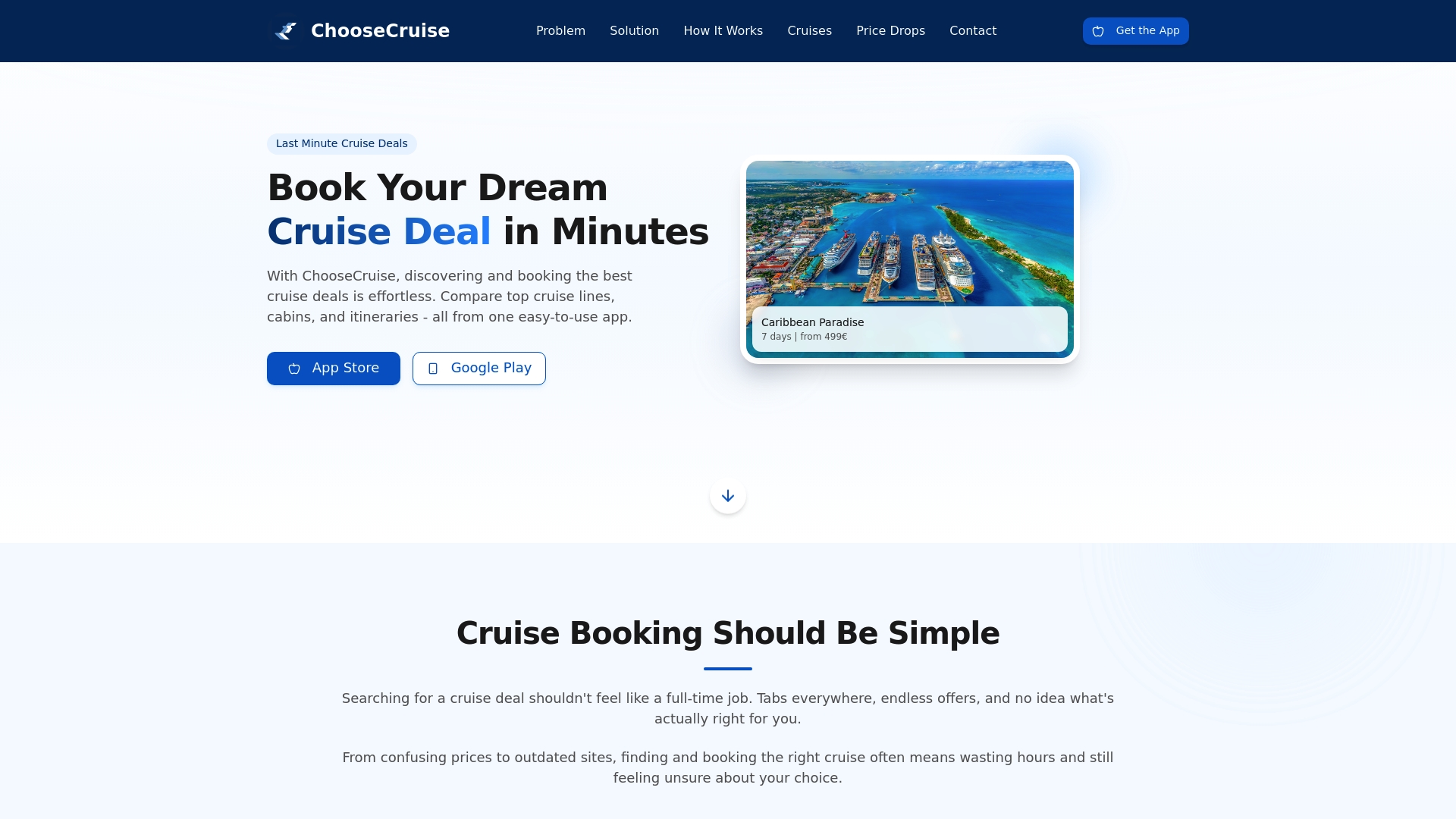
Whether you are looking for a short personalized sailing or a longer voyage across multiple regions, ChooseCruise matches your preferences to real deals available right now. The platform is built for first-time cruisers who want to book with confidence, not spend weeks second-guessing their choice. Find your cruise and see what a preference-matched itinerary actually looks like.
FAQ
What does personalizing a cruise itinerary mean?
Personalizing a cruise itinerary means matching your sailing, ship, ports, and daily schedule to your specific travel style, emotional goals, and budget. It is a preference-matching process, not just destination selection.
How long does it take to plan a personalized cruise?
AI-powered tools can generate a shortlist of preference-matched sailings in under 5 minutes. Full itinerary planning, including excursions and onboard bookings, typically takes a few hours spread across one or two sessions.
What is the biggest mistake first-time cruisers make?
First-time cruisers most often choose a ship based on price or destination without considering ship culture and size. That mismatch affects the entire experience more than any single port choice.
How many sea days should I include in my itinerary?
A balanced approach includes at least one sea day for every two port days on sailings longer than seven nights. Alternating active and restful days prevents burnout and improves overall satisfaction.
Can I personalize a cruise itinerary on a budget?
Yes. Budget-conscious personalization means prioritizing the two or three ports that matter most to you, booking excursions independently where costs are lower, and choosing a ship size that matches your needs rather than the most expensive option available.
Recommended
Related reading
6 Best Cruise Destinations 2026 for Smart First-Time Travelers
Discover the 6 best cruise destinations 2026 with expert tips for tech-savvy first-time travelers, including personalized advice for easier cruise booking.
Cruise Package Explained: Stress-Free Vacation Booking
Cruise package means bundled travel with accommodations, meals, entertainment, excursions. Learn the types, inclusions, pros, costs, and mistakes to avoid.
7 Smart Ways to Save on Cruises for Modern Travelers
Discover 7 smart ways to save on cruises with easy, practical tips designed for today’s digital cruise travelers. Learn to maximize value and minimize costs.