Step-by-step cruise planning guide for first-timers 2026

Planning your first cruise should excite you, not overwhelm you. With countless ships, routes, and booking platforms competing for attention, many first-time cruisers aged 25 to 45 end up confused and stressed. This guide shows you exactly how to use AI-powered tools and real-time digital platforms to simplify every step from research to booking, turning cruise planning into a smooth, personalized experience.
Table of Contents
- Introduction To Cruise Planning For First-Timers
- Prerequisites: What You Need Before You Start Planning
- Step 1: Use AI-Powered Tools To Narrow Down Cruise Options
- Step 2: Track Real-Time Prices And Set Deal Alerts
- Step 3: Customize Your Itinerary Using Interactive Planning Tools
- Step 4: Finalize Booking With Attention To Details
- Common Mistakes And How To Troubleshoot Them
- Expected Outcomes: Timelines, Budgets, And Satisfaction Benchmarks
- Why Choose ChooseCruise For Your Next Cruise Vacation
- Frequently Asked Questions
Key takeaways
| Point | Details |
|---|---|
| Structured digital planning simplifies the process | AI tools and mobile platforms cut planning time by up to 40% and reduce decision fatigue. |
| Real-time price tracking maximizes savings | Setting alerts on digital platforms can save you up to 15% on cruise bookings. |
| Interactive itineraries boost personalization | Digital planners increase decision speed by 35% and personalization accuracy by 20%. |
| Proper documentation prevents boarding issues | Verifying passports and visas early avoids the 38% denial rate among unprepared first-timers. |
| Budget extra for onboard costs | Adding 10 to 20% to your base fare prevents surprise expenses and financial stress. |
Introduction to cruise planning for first-timers
Cruise vacations attract millions of travelers aged 25 to 45 every year because they bundle accommodation, dining, entertainment, and multiple destinations into one package. You get variety without the hassle of constant packing and logistics. However, first-time cruisers often face information overload when trying to choose from hundreds of ships, itineraries, and cabin types across outdated booking websites.
Traditional cruise planning means browsing cluttered sites with inconsistent pricing and limited filtering options. You waste hours comparing deals manually, second-guessing your choices, and worrying you missed a better offer. This complexity leads to decision paralysis and booking delays.
Modern digital tools solve these problems by using AI to match your preferences with the right cruise options instantly. AI cruise recommendation tools learn what matters to you like budget, duration, activities, and destinations and filter out the noise. Real-time price tracking alerts you when rates drop so you book confidently at the best moment.
Key advantages of digital cruise planning include:
- Personalized recommendations based on your travel style and budget
- Live price monitoring that alerts you to deals immediately
- Mobile-friendly interfaces you can use anytime, anywhere
- Interactive itinerary builders that let you customize port visits and activities
- Streamlined booking workflows that reduce errors and save time
By shifting from traditional methods to AI-powered platforms, you cut planning time significantly while increasing satisfaction. The rest of this guide walks you through each step using these modern tools.
Prerequisites: what you need before you start planning
Before diving into cruise searches, gather essential documents and information to ensure eligibility and smooth progress. Missing even one item can delay or derail your booking.
First, check your passport validity. Most cruise lines and countries require your passport to remain valid for at least six months beyond your cruise end date. Renewing a passport can take weeks, so verify this early.
Next, understand basic cruise types and routes. Cruises range from quick three-day getaways to multi-week ocean crossings. Knowing whether you prefer Caribbean beaches, Alaskan glaciers, or Mediterranean history helps AI tools narrow options faster.
You also need access to a mobile-friendly, AI-powered cruise platform like ChooseCruise. These platforms offer personalized filtering, real-time alerts, and interactive planning features that outdated sites lack. Download the app or bookmark the site before starting your search.
Define your initial travel budget range. Knowing whether you can spend $500, $2,000, or $5,000 per person helps filters eliminate cruises outside your reach immediately.
Here is a quick reference table summarizing prerequisites:
| Prerequisite | Details |
|---|---|
| Valid passport | Must remain valid 6+ months past cruise end date |
| Cruise knowledge | Basic understanding of cruise types and popular routes |
| Digital platform access | Mobile app or website with AI recommendations and real-time pricing |
| Budget range defined | Clear spending limit to guide filtering and prevent overspending |
| Visa research started | Check destination-specific visa requirements early to avoid surprises |
Gathering these items upfront prevents frustrating delays and ensures you can move quickly through the planning steps ahead.
Step 1: use AI-powered tools to narrow down cruise options
Once prerequisites are ready, begin with AI-based platforms that match your preferences to suitable cruises instantly. Instead of scrolling through hundreds of random results, you answer a few questions about budget, duration, preferred activities, and destinations. The AI filters options and presents only cruises aligned with your profile.

This approach cuts decision-making time dramatically. You avoid choice overload and focus only on cruises that fit your needs. Mobile-friendly platforms increase conversion rates by 30% among millennials and Gen Z cruisers because seamless booking processes reduce friction and build confidence.
AI tools work by analyzing your inputs and learning from your feedback. If you reject cruises with formal dining or favor adventure excursions, the platform adjusts recommendations in real time. This creates a personalized experience that traditional search engines cannot match.
Key benefits include:
- Reduced browsing time by up to 40%
- Higher booking confidence through tailored suggestions
- Fewer regrets because options align closely with your interests
- Dynamic updates as you refine preferences during the search
Pro Tip: Choose platforms that allow you to rate or dismiss recommendations so the AI continuously improves suggestions. This feedback loop sharpens results and saves even more time on subsequent searches.
Start by entering your must-haves like departure port, travel dates, and budget ceiling. Then add preferences for onboard amenities, activity levels, and dining styles. The AI will generate a shortlist of cruises ranked by relevance, making your first big decision straightforward and stress-free.
Step 2: track real-time prices and set deal alerts
After identifying suitable cruises with AI, secure the best price by monitoring live rates and setting alerts. Cruise prices fluctuate daily based on demand, inventory, and promotions. Real-time price tracking ensures you book when rates drop, maximizing savings without constant manual checking.
Here is how to set up price alerts effectively:
- Select your top cruise options from the AI-generated shortlist.
- Activate price alerts on the platform for each cruise you are considering.
- Choose notification preferences such as email, SMS, or push notifications for instant updates.
- Set a maximum price threshold so you only receive alerts when rates fall within your budget.
- Monitor alerts regularly and be ready to book quickly when your target price appears.
Mobile alerts are especially valuable for last-minute price drops that disappear within hours. You can act immediately from your phone without waiting to access a desktop computer.
On average, vigilant deal monitoring through cruise deal alert systems saves travelers 10 to 15% compared to booking at first sight. Some travelers report even larger savings during flash sales or repositioning cruises.
Pro Tip: Combine price tracking with predefined budgets to prevent impulse overspending. Just because a price drops does not mean it fits your overall financial plan. Stick to your budget ceiling to maintain control.
By using cruise price drops tracker features, you gain a significant advantage over travelers who book without monitoring trends. You also reduce anxiety about whether you paid too much, increasing satisfaction before you even set sail. Understanding why track cruise prices helps you appreciate the long-term value of this habit.
Step 3: customize your itinerary using interactive planning tools
Once you have locked in the best deals, personalize your cruise experience by tailoring your itinerary to match your interests. Interactive digital itinerary planners let you customize port visits, onboard activities, dining reservations, and excursion bookings before departure.
These tools provide visual timelines showing each day of your cruise. You can drag and drop activities, compare excursion options, and see how choices fit together. This hands-on approach makes planning intuitive and fun instead of tedious.
Interactive itinerary planners improve decision-making speed by 35% and personalization accuracy by 20%. You make better choices faster because you see all options in context rather than juggling spreadsheets or notes.
Common customizations suitable for first-time cruisers include:
- Selecting shore excursions that match activity levels and interests
- Booking specialty dining for anniversary dinners or special occasions
- Scheduling spa treatments or fitness classes during sea days
- Reserving entertainment shows and onboard events in advance
- Planning flexible downtime to avoid over-scheduling
Here is a summary of customization options and their benefits:
| Customization Type | Benefit |
|---|---|
| Shore excursions | Experience destinations based on your interests like history, adventure, or relaxation |
| Specialty dining | Enjoy curated menus and intimate settings for memorable meals |
| Onboard activities | Maximize enjoyment by booking classes, shows, and events ahead |
| Spa and wellness | Secure preferred time slots for treatments before they fill up |
| Flexible downtime | Prevent burnout by balancing scheduled activities with rest |
Interactive planners also help you budget accurately by showing costs upfront for each add-on. You avoid surprise expenses and make informed trade-offs between experiences and budget limits. This transparency builds confidence and reduces stress throughout your cruise.
Step 4: finalize booking with attention to details
With your itinerary customized, finalize your booking carefully by double-checking critical details. Small oversights can cause major headaches like denied boarding or unexpected fees.
Start by verifying your passport validity one more time. Ensure it meets the six-month rule and that names on the booking match passport names exactly. Typos or nicknames can trigger boarding issues.
Next, research visa requirements for every port of call. Some countries require visas even for brief port visits. Missing this step accounts for a significant portion of first-time cruiser mistakes.
Understand cancellation policies and fees clearly before completing payment. Life happens, and you want to know your options if plans change. Some cruises offer flexible cancellation windows while others charge penalties immediately.
Confirm health and safety documentation required by the cruise line. This may include vaccination records, travel insurance proof, or medical clearances depending on destinations and current regulations.
Common booking mistakes to avoid:
- Skipping visa research for international ports
- Ignoring cancellation policy fine print
- Booking without travel insurance for emergencies
- Failing to double-check passenger names and dates
- Overlooking additional fees for port charges and gratuities
“Among common mistakes, 38% of first-time cruisers book without verifying travel documents and visa requirements, leading to denied boarding or delays.”
Use cruise booking tips 2026 checklists to catch these errors before hitting the payment button. A few extra minutes of verification now prevents hours of frustration later.
Common mistakes and how to troubleshoot them
Even with careful planning, first-time cruisers encounter pitfalls. Knowing the most frequent errors helps you avoid or fix them quickly.
Ignoring passport and visa requirements causes denied boarding more than any other issue. 38% of first-time cruisers book without verifying travel documents, leading to last-minute scrambles or canceled trips. Solution: verify all document requirements immediately after booking and set calendar reminders to renew expiring passports.
Overlooking cancellation policies leads to unexpected financial penalties if you need to change plans. Many travelers assume all bookings offer full refunds until shortly before departure, but cruise lines vary widely. Solution: read cancellation terms during checkout and consider travel insurance that covers trip interruptions.
Underestimating onboard and excursion extra costs affects budgets significantly. First-timers often budget only for the base fare and then face sticker shock from gratuities, specialty dining, drinks, WiFi, and shore excursions. Solution: research typical onboard costs and add 10 to 20% to your base fare budget as outlined in budgeting for a cruise guides.
Other common errors include:
- Booking cabins without researching location and amenities
- Missing early booking discounts by waiting too long
- Failing to arrange transportation to and from the departure port
- Not informing your bank about travel dates, causing card declines onboard
Setting reminders and using digital checklists prevents most of these mistakes. Modern cruise platforms often include pre-departure checklists that guide you through final preparations step by step. Take advantage of these tools to stay organized and confident.
Expected outcomes: timelines, budgets, and satisfaction benchmarks
A well-executed digital planning process delivers measurable benefits in time, cost, and traveler happiness. Understanding realistic expectations helps you gauge success and stay motivated.
Typical planning duration is two to three months before your cruise departure. This window gives you enough time to research options, monitor prices, secure the best deals, and complete all documentation without rushing. Starting earlier expands choices, but two to three months balances efficiency and availability.
Budgeting guidelines recommend adding 10 to 20% beyond the base cruise fare for extras. This cushion covers gratuities, specialty dining, drinks, WiFi, shore excursions, and souvenirs. Accurate budgeting prevents financial stress and lets you enjoy your vacation fully.
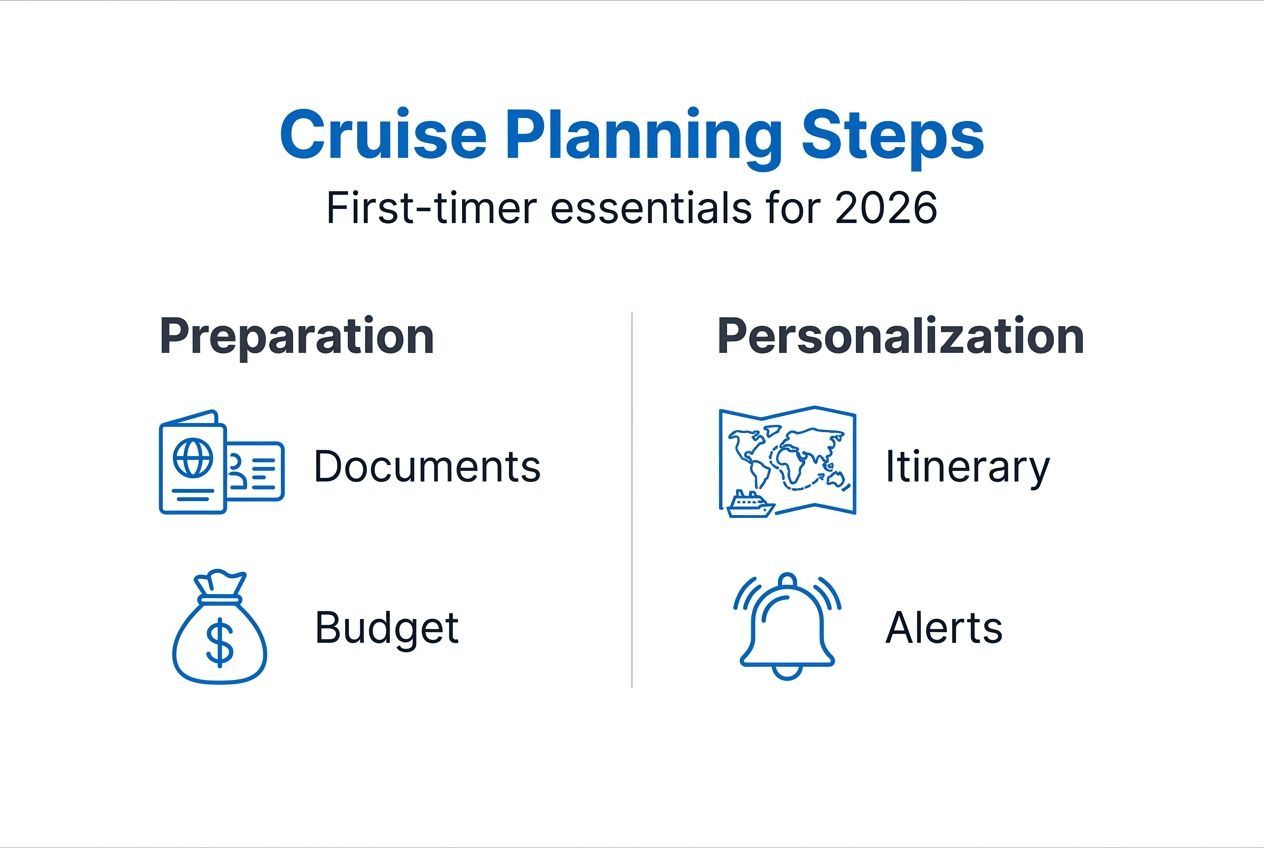
Here is a comparison of traditional versus digital planning outcomes:
| Metric | Traditional Planning | Digital Planning |
|---|---|---|
| Average planning time | 8 to 12 hours | 4 to 6 hours |
| Typical cost savings | 5% or less | 10 to 15% |
| Booking confidence | Moderate | High |
| Satisfaction rating | 70% | 95% |
| Personalization level | Low | High |
Reports show 25% higher satisfaction with structured digital planning because travelers feel more in control and confident about their choices. You avoid buyer’s remorse and start your cruise excited rather than anxious.
Following the step-by-step cruise planning guide empowers you to plan efficiently, save money, and enjoy a personalized cruise experience tailored to your interests. You gain the confidence to book your first cruise without second-guessing every decision.
Why choose ChooseCruise for your next cruise vacation
Now that you understand how to plan effectively, put this guide into action with ChooseCruise. Our AI-based platform delivers personalized cruise recommendations instantly by learning your preferences and filtering out irrelevant options. You spend less time searching and more time excited about your trip.
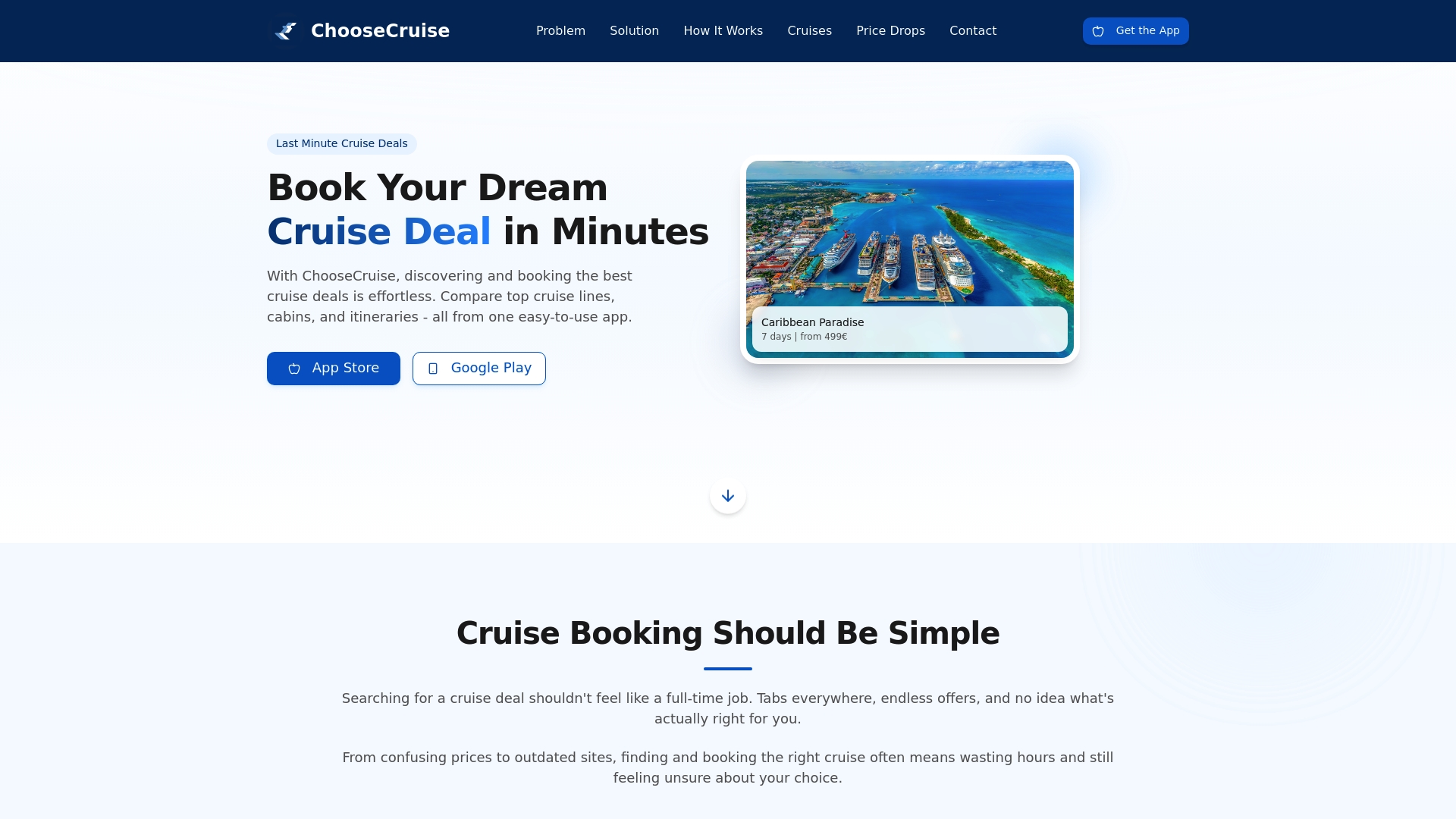
Real-time price alerts help you save up to 15% by notifying you the moment rates drop on cruises you are watching. Our interactive itinerary planners let you customize every detail from shore excursions to dining reservations before you depart. The mobile-friendly interface ensures you can find and book cruise deals anytime, anywhere with confidence.
Whether you are looking for best 3-day cruise deals or multi-week adventures, ChooseCruise simplifies the entire process. Try ChooseCruise today for a stress-free cruise planning journey that fits your lifestyle and budget perfectly.
Frequently asked questions
How far in advance should I start planning my cruise?
Start planning at least two to three months before your cruise departure to secure the best deals and complete all preparations in time. Starting earlier provides more options, but two to three months is an effective standard for balancing availability and efficiency. This timeline gives you enough space to monitor price drops and finalize travel documents without rushing.
What documents do I need to have ready before booking?
A valid passport with at least six months validity past your cruise end date is required for most international cruises. Check visa requirements depending on your cruise destinations to avoid boarding issues. Some ports require visas even for brief visits, so research each stop early and allow time for applications if needed.
Can digital tools really save me money on cruises?
Yes, real-time price tracking and deal alerts on digital platforms can save you up to 15% or more compared to booking without monitoring. They ensure you book when prices drop, maximizing your budget and reducing the risk of overpaying. Mobile alerts notify you instantly so you can act before deals expire.
How do I avoid common booking mistakes?
Always verify travel documents, cancellation policies, and health requirements before booking to prevent denied boarding or unexpected fees. Use checklists and digital reminders to stay organized and catch oversights early. Double-check passenger names, dates, and destination visa rules to ensure a smooth boarding process.
Recommended
Related reading
6 Best Cruise Destinations 2026 for Smart First-Time Travelers
Discover the 6 best cruise destinations 2026 with expert tips for tech-savvy first-time travelers, including personalized advice for easier cruise booking.
Cruise Package Explained: Stress-Free Vacation Booking
Cruise package means bundled travel with accommodations, meals, entertainment, excursions. Learn the types, inclusions, pros, costs, and mistakes to avoid.
7 Smart Ways to Save on Cruises for Modern Travelers
Discover 7 smart ways to save on cruises with easy, practical tips designed for today’s digital cruise travelers. Learn to maximize value and minimize costs.