What is a cruise port? First-time cruiser’s guide
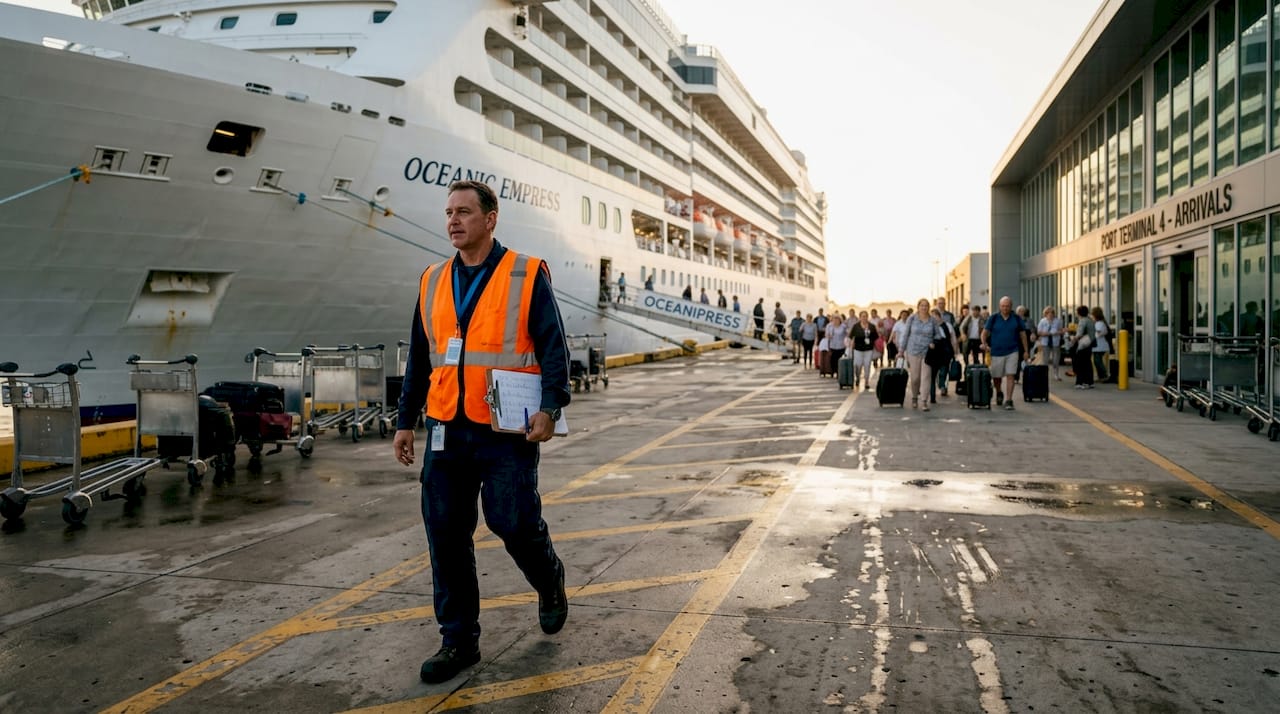
If you think all cruise ports are the same, you’re setting yourself up for surprises. Many first-time cruisers don’t realize that cruise ports vary dramatically in how they operate, where they’re actually located, and how much time you’ll spend getting on and off the ship. Understanding these differences transforms your port days from stressful scrambles into smooth, enjoyable experiences. This guide breaks down everything you need to know about cruise ports, from docking procedures to hidden itinerary tricks that could save your vacation.
Table of Contents
- Key takeaways
- What is a cruise port and how does it work?
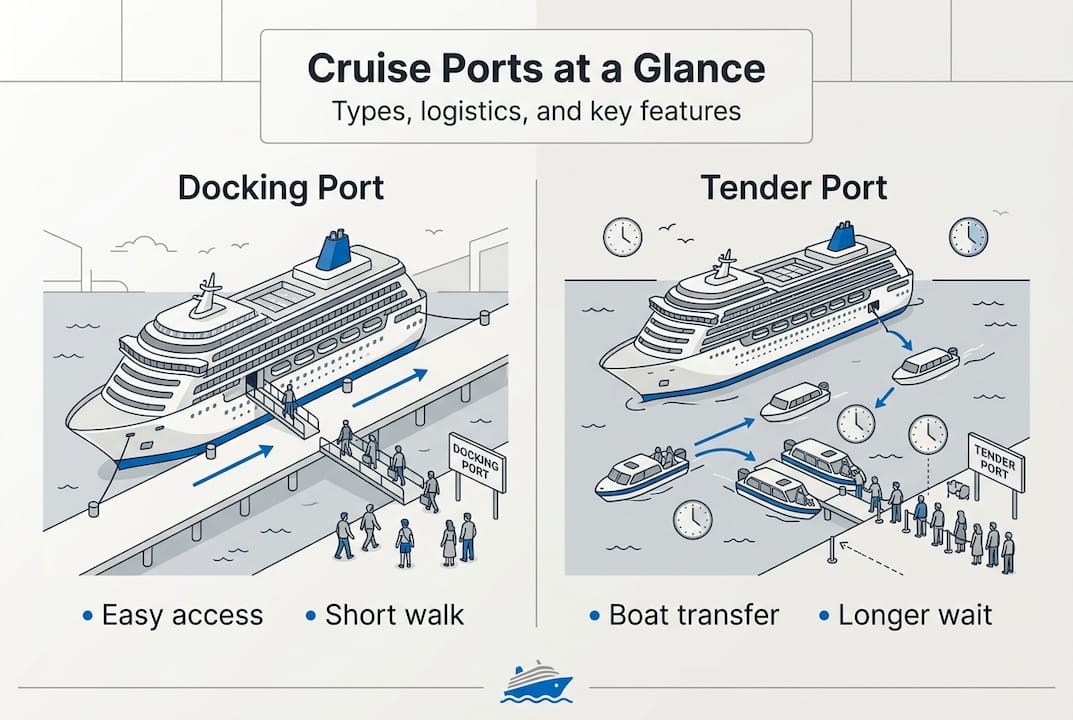
- Types of cruise ports: docking ports vs tender ports
- Navigating itinerary nuances and port logistics for first-time cruisers
- Cruise port passenger volume and sustainability challenges
- Explore cruise deals and plan your perfect port experience
- What is a cruise port?
Key Takeaways
| Point | Details |
|---|---|
| Port roles and types | A cruise port is a facility that handles docking or tendering, customs, baggage, and shore excursions, functioning like an airport for ships. |
| Docking versus tender | Docking ports allow guests to walk off directly onto the pier, while tender ports use boats to shuttle passengers and often take longer. |
| Verify port locations | Check your itinerary to confirm the actual port layout and whether a stop is docking or tender so you can plan accordingly. |
| Pack a day bag | Prepare a small bag with sunscreen, medications, water, a phone charger, and cash the night before to speed up disembarkation. |
| Port congestion effects | Popular tender ports with multiple ships can create bottlenecks that extend wait times and reduce port time. |
What is a cruise port and how does it work?
A cruise port is a maritime facility equipped to handle cruise ships, serving as either a docking point or tender point for passenger embarkation, disembarkation, customs processing, baggage handling, and shore excursion coordination. Unlike cargo ports, cruise terminals prioritize passenger flow, security screening, and tourist services. Think of it as an airport for ships, complete with immigration checkpoints, retail areas, and transportation hubs.
Cruise ports operate through two distinct methods. Docking ports feature deep water piers where ships tie directly using massive mooring lines and automated winches. Passengers walk straight from the ship onto the pier through a gangway, similar to boarding a plane via a jetway. This process takes 15-30 minutes after the ship receives clearance from local authorities.
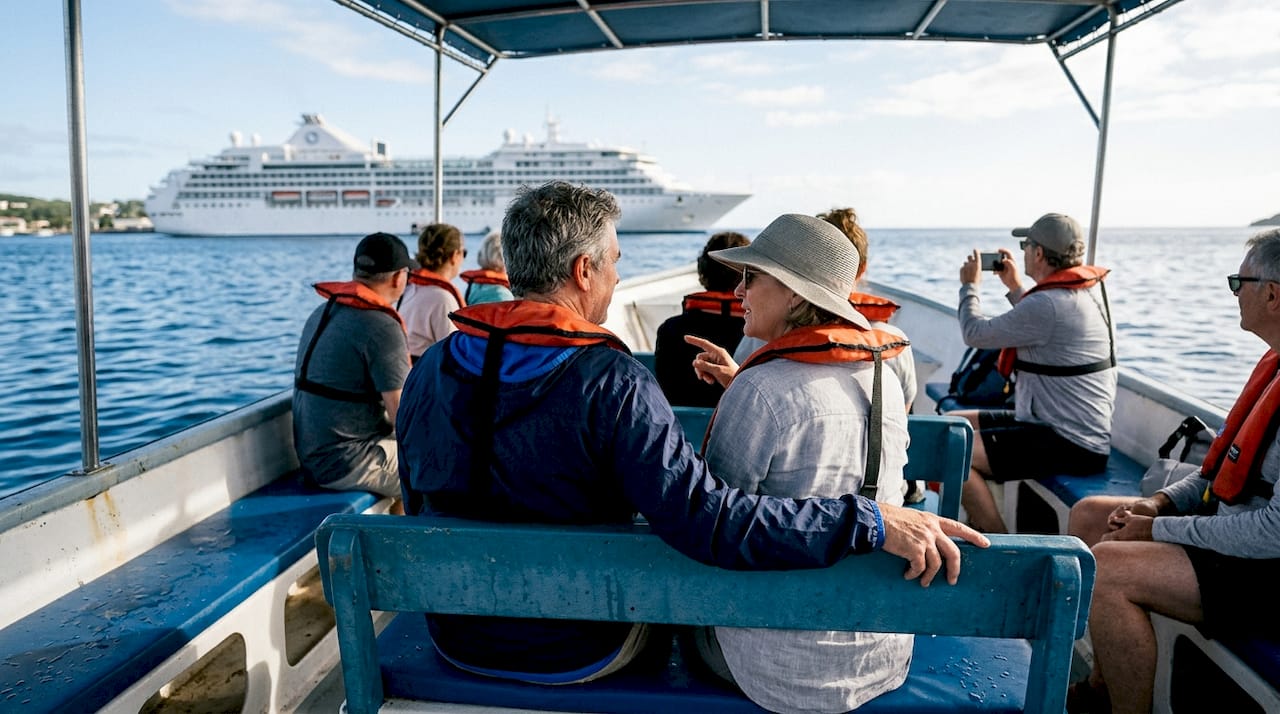
Tender ports present a different scenario. When water depth is insufficient or pier space unavailable, ships anchor offshore and ferry passengers via small boats called tenders. These boats typically hold 100-150 people and make continuous trips between ship and shore. The tendering process adds significant time to your port day.
Port operations follow a strict sequence. Ships arrive early morning, usually between 6-8 AM. The captain must receive clearance from port authorities before anyone disembarks. Officials board to check documentation, health records, and passenger manifests. Once cleared, the ship announces disembarkation procedures over the PA system. Passengers with booked shore excursions typically leave first, followed by those exploring independently.
The entire clearance process takes 30-90 minutes depending on port efficiency and ship size. Larger vessels carrying 3,000-6,000 passengers require more time for customs processing and passenger flow management. When planning your cruise itinerary step by step, factor in these timing variables.
Pro Tip: Pack a small day bag the night before with essentials like sunscreen, medications, water bottle, phone charger, and emergency cash. Keep your cruise card and ID easily accessible. This preparation lets you disembark quickly when your group is called, maximizing your port time.
Types of cruise ports: docking ports vs tender ports
The distinction between docking and tender ports dramatically affects your port day experience. Docking ports offer the most straightforward process. Your ship pulls alongside a pier, crew members secure it with thick mooring lines, and a covered gangway extends from the ship to the terminal building. You walk off carrying nothing but your day bag, clear any required security, and you’re in the port area within minutes.
Tender ports require patience and strategic planning. The ship drops anchor in deeper water, sometimes a mile or more from shore. Crew members lower the ship’s lifeboats, which serve as tenders, or local operators provide tender boats. Passengers receive numbered tickets and wait in designated lounges until their group is called. The tender ride itself takes 10-20 minutes depending on distance and sea conditions.
| Feature | Docking Port | Tender Port |
|---|---|---|
| Disembarkation time | 15-30 minutes after clearance | 60-120 minutes after clearance |
| Weather dependency | Minimal impact | Can cancel in rough seas |
| Accessibility | Wheelchair accessible | Limited mobility challenges |
| Passenger priority | Shore excursions first | Shore excursions get priority tickets |
| Return flexibility | Walk on anytime before deadline | Must wait for available tender |
Tender operations create bottlenecks that affect your entire day. Popular tender ports like Grand Cayman, Santorini, or St. John’s often see 2-3 ships anchored simultaneously, each running tenders for thousands of passengers. The result is long waits both departing and returning to your ship. If you’re exploring independently, you might wait 45-90 minutes for a tender back, cutting into your shipboard dining or activity time.
Weather adds another variable. Tender operations require calm seas. If swells exceed safe limits, the captain cancels all tendering, and passengers remain onboard. This happens more frequently than cruise lines advertise, particularly in shoulder seasons or tropical destinations during storm season.
Shore excursions booked through the cruise line receive guaranteed priority in tender ports. These passengers board first and get dedicated return tender slots. Independent explorers compete for remaining capacity. During peak times, this creates waits of 60+ minutes.
Some ships use a ticket system where you grab a numbered ticket and return when your number is called. Others use a first-come queue. Check your daily newsletter for specific procedures. Understanding these cruise booking tips helps you choose itineraries that match your travel style and mobility needs.
Pro Tip: In tender ports, book at least one ship excursion for priority tender access. Even if you prefer independent exploration, having one guaranteed early departure lets you maximize your time ashore. The excursion also provides the ship’s protection if delays occur, they’ll wait for you.
Navigating itinerary nuances and port logistics for first-time cruisers
Cruise itineraries often list glamorous city names that hide inconvenient realities. Your “Amsterdam” cruise might actually dock in Ijmuiden, requiring a 30-minute bus transfer. “Venice” cruises increasingly use Ravenna, Trieste, or even Ancona, putting you 60-150 miles from St. Mark’s Square. These misleading port names create unexpected costs and time pressures that can derail your carefully planned excursions.
This practice stems from practical constraints. Venice banned large cruise ships from its historic center due to environmental concerns. Amsterdam’s central port can’t accommodate mega ships. Ports adapt by using nearby facilities, but marketing departments keep the famous city names. The disconnect between expectation and reality frustrates travelers who didn’t research actual docking locations.
Before booking, verify the actual port name and its distance from advertised attractions:
- Search “[cruise line name] [destination] actual port” to find the real docking location
- Check Google Maps for distance between port and city center
- Read recent cruise reviews mentioning that specific port
- Look for transfer costs and timing in port information sections
- Confirm whether transfers are included or require additional payment
Port congestion adds another layer of complexity. Popular destinations like Cozumel, Nassau, or Barcelona regularly host 4-6 large ships simultaneously. This creates bottlenecks at popular attractions, restaurants, and beaches. Thousands of passengers flood small islands or historic districts within a 2-3 hour window. Lines form at major sites, taxi queues stretch for blocks, and beaches reach capacity.
Large ships require deep berths that smaller ports can’t provide. Modern mega ships draw 28-30 feet of water and stretch 1,100+ feet long. Many historic ports built for smaller vessels lack the infrastructure for these floating cities. Ships either tender or dock at industrial ports miles from tourist areas.
Follow these steps for smooth port days:
- Set your alarm for 30 minutes before your planned departure time to account for unexpected delays
- Check the daily newsletter the night before for specific disembarkation procedures and any changes
- Eat breakfast early before crowds form in dining areas
- Proceed to your assigned meeting area when your group is called over the PA system
- Clear security and customs at the terminal, keeping your cruise card and passport ready
- Board your excursion transportation or head to your planned destination immediately
- Track time carefully throughout the day, accounting for return transportation delays
- Return to the ship 60-90 minutes before all aboard time, never cutting it close
Pack strategically for port days. Bring a printed or screenshot copy of your ship’s name, pier location, and all aboard time. Carry local currency for small purchases, tips, or emergency taxi fares. Download offline maps of the port area before losing ship WiFi. Wear comfortable walking shoes broken in before your cruise. These budget cruise tips help you avoid expensive last-minute purchases in port shops.
Cruise port passenger volume and sustainability challenges
The scale of modern cruise operations strains port infrastructure and local communities. Major cruise ports process millions of passengers annually, creating logistical challenges that directly impact your port experience. Understanding these dynamics helps you choose itineraries and timing that avoid the worst congestion.
| Port | Annual Passengers | Average Ships Per Day | Peak Season |
|---|---|---|---|
| Miami | 5.0 million | 8-12 | December-April |
| Port Canaveral | 4.2 million | 6-10 | Year-round |
| Barcelona | 2.7 million | 5-8 | May-September |
| Cozumel | 3.8 million | 4-7 | November-March |
| Nassau | 3.5 million | 6-9 | December-April |
Over 128 ports worldwide handle more than 1 million passengers yearly. This concentration creates predictable congestion patterns. When three mega ships dock simultaneously, 12,000-18,000 passengers flood a port within hours. Security screening, customs processing, and ground transportation become bottlenecks.
Environmental concerns drive port modernization efforts. On-shore power systems let docked ships shut down diesel generators and plug into local electrical grids, reducing emissions and noise pollution. However, installation costs run $5-15 million per berth, limiting adoption to wealthier ports. Ships must also be equipped with compatible connection systems, creating a chicken and egg problem that slows implementation.
Large ships require specialized infrastructure. Modern vessels drawing 28-30 feet need dredged channels and reinforced piers. Older ports built for smaller ships can’t accommodate them without expensive upgrades. This forces cruise lines to develop private islands or invest in port improvements, sometimes creating tensions with local communities concerned about overtourism.
“Effective passenger flow management at cruise terminals requires understanding queue psychology, strategic placement of processing stations, and real-time monitoring systems. Ports that invest in these systems reduce average disembarkation times by 30-40%, dramatically improving the passenger experience.” — Port Operations Quarterly
Congestion management directly affects your port day. Efficient ports use numbered disembarkation groups, multiple gangways, and streamlined security. You might walk off the ship within 20 minutes of your group being called. Inefficient ports create waits of 60-90 minutes as passengers bottleneck at single security checkpoints or narrow gangways.
Some strategies to minimize congestion impact:
- Choose shoulder season sailings when fewer ships visit simultaneously
- Book early or late port days in multi-day port stops
- Select smaller ships that dock at less crowded facilities
- Consider newer, less popular ports over traditional hotspots
- Use ship excursions for guaranteed priority disembarkation
Port sustainability initiatives increasingly affect operations. Some destinations limit daily passenger numbers, require advance excursion bookings, or ban certain ship sizes. Venice, Santorini, and Dubrovnik have implemented or proposed restrictions. These changes aim to preserve local culture and infrastructure but can complicate cruise planning. When exploring how to save on cruises, factor in potential port restriction fees or required excursion bookings that add to your total cost.
Explore cruise deals and plan your perfect port experience
Now that you understand how cruise ports work, you’re ready to choose an itinerary that matches your travel style. Whether you prefer the convenience of docking ports or don’t mind tender operations for access to remote islands, having this knowledge helps you book confidently.
ChooseCruise makes finding the right cruise simple. Our platform lets you filter by port type, duration, and real-time deals, so you’re never overwhelmed by endless options. First-time cruisers appreciate our transparent port information that shows actual docking locations, not just marketing names. You’ll see which ports require tenders, typical disembarkation times, and distance to major attractions before you book. Explore our curated cruise deals to find sailings that fit your schedule and budget, or check out 3-day cruise options perfect for testing the waters before committing to longer voyages.
What is a cruise port?
What’s the difference between a cruise port and a regular port?
Cruise ports specialize in passenger services like customs processing, terminal facilities, ground transportation, and shore excursion coordination. Regular commercial ports focus on cargo handling with container cranes, warehouses, and freight logistics. Cruise terminals feature amenities like retail shops, restaurants, and tourist information centers that cargo ports lack.
What does it mean when a cruise port is a tender port?
A tender port means your ship anchors offshore instead of docking at a pier, and small boats called tenders ferry passengers to shore. This happens when water is too shallow for large ships or pier space is unavailable. Tender operations add 30-90 minutes to your port day and can be canceled in rough weather, keeping passengers onboard.
What should I bring with me on a cruise port day?
Pack a small day bag with your cruise card, government ID or passport, local currency, credit card, phone and charger, sunscreen, any necessary medications, water bottle, and a printed copy of your ship’s name and pier location. Wear comfortable broken-in walking shoes and weather-appropriate clothing. Leave valuables in your cabin safe.
How early should I return to the ship before all aboard time?
Return 60-90 minutes before the posted all aboard time to account for security lines, tender waits, traffic delays, or getting lost. Ships depart exactly on schedule and will not wait for late passengers. Missing the ship means paying for your own transportation to the next port, which can cost hundreds or thousands of dollars depending on location.
Why does my cruise itinerary list a different city than where we actually dock?
Cruise lines often use famous city names for marketing even when ships dock at nearby ports. Venice cruises might use Ravenna or Trieste, Amsterdam sailings often dock in Ijmuiden, and Rome cruises use Civitavecchia. This happens because historic city centers can’t accommodate large modern ships, or environmental regulations restrict access. Always verify the actual port name and distance to your desired destination before booking excursions.
Recommended
Related reading
6 Best Cruise Destinations 2026 for Smart First-Time Travelers
Discover the 6 best cruise destinations 2026 with expert tips for tech-savvy first-time travelers, including personalized advice for easier cruise booking.
Cruise Package Explained: Stress-Free Vacation Booking
Cruise package means bundled travel with accommodations, meals, entertainment, excursions. Learn the types, inclusions, pros, costs, and mistakes to avoid.
7 Smart Ways to Save on Cruises for Modern Travelers
Discover 7 smart ways to save on cruises with easy, practical tips designed for today’s digital cruise travelers. Learn to maximize value and minimize costs.