What Is Included in Cruise Fare Costs and Value
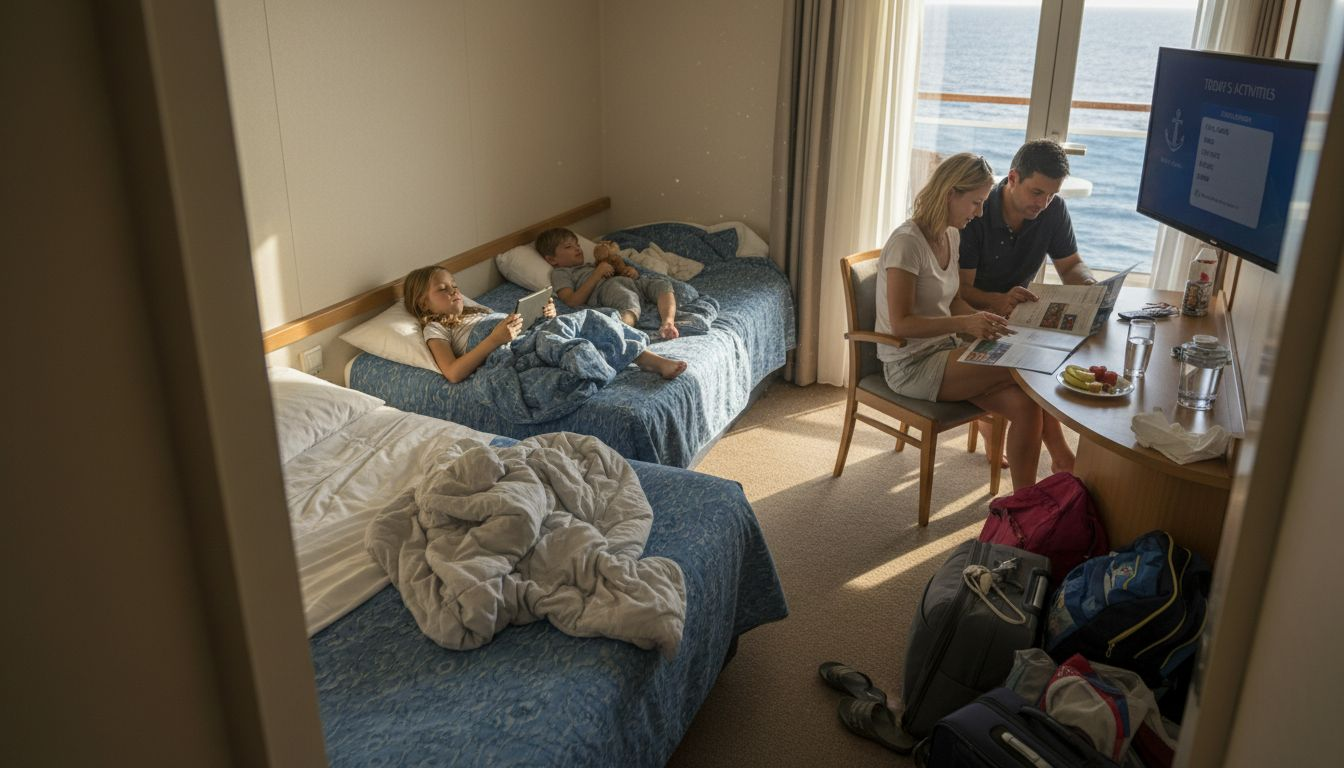
Booking your first cruise in Europe can feel exciting, but the headline fare only tells part of the story. Many first-time travelers expect cruises to work like all-inclusive resorts, only to discover that specialty dining, drinks, and excursions cost extra. Understanding the longstanding complexity in travel pricing helps you avoid surprises and plan your vacation budget wisely. This guide breaks down what cruise fares actually cover so you can make confident choices and set realistic expectations.
Table of Contents
- Cruise Fare Basics And Common Misconceptions
- The Real Cost Breakdown
- Meals, Cabin Types, And Standard Amenities
- Entertainment, Kids’ Clubs, And Ship Facilities
- What’s Not Included: Common Extra Charges
- How Cruise Fare Compares To Other Vacations
Key Takeaways
| Point | Details |
|---|---|
| Understanding Cruise Fares | The advertised fare is just a starting point; additional costs for dining, beverages, and excursions add significantly to the final price. |
| Realistic Budgeting | Travelers should estimate an extra €400-600 per person for gratuities and onboard spending to avoid budget overruns. |
| Inclusions Depend on Cabin Type | The quality and variety of dining options and amenities vary by cabin type, influencing overall cruise experience and satisfaction. |
| Entertainment and Activities | Many entertainment options and kids’ programs are included in the fare, providing significant value compared to traditional vacations. |
Cruise Fare Basics and Common Misconceptions
When you see a cruise advertised at €799 per person, that’s rarely what you’ll actually pay. The cruise fare is just the starting point, not a complete picture of your vacation cost.
Most first-time cruisers expect cruise fares to work like all-inclusive resort packages. They don’t. Your fare covers accommodation and basic food in the main dining room, but what is cruise fare exactly extends only to those essentials.
Here’s what’s actually included in your base fare:
- Cabin accommodations with basic amenities
- Access to main dining room meals
- Core entertainment shows and activities
- Use of public areas (pools, gyms, libraries)
- Docking fees and port charges
But here’s where costs multiply. Specialty restaurants, premium beverages, spa treatments, and excursions are separate. Even gratuities—tips for your cabin and dining staff—aren’t included, adding roughly €15-20 per person daily.
The gap between advertised fares and what passengers actually spend reveals a longstanding complexity in travel pricing. Advertised fares and actual revenue-based fares can differ significantly, which means the headline price doesn’t tell the full story of your expenses.
European cruisers often assume European cruise lines operate on an all-inclusive model. They largely don’t. Carnival Cruises and similar operators include a cabin and standard meals but charge separately for most other services.
The Real Cost Breakdown
Your €799 fare might become €1,200+ once you add:
- Specialty dining: €15-30 per person per meal
- Drink packages: €60-100 per person for the cruise
- Gratuities: €105-140 per person for a 7-day cruise
- Excursions: €50-300 per port depending on activities
- Onboard purchases: beverages, photos, spa services
Many travelers book the cheapest fare, then discover mid-cruise that everything beyond meals costs extra. This creates frustration and unexpected budget overruns.
The misconception that cruises are all-inclusive persists because marketing emphasizes what’s included rather than what costs extra. When you compare different cruise fare types, you’ll notice each tier reveals different inclusions.
Pro tip: When comparing cruise prices, add an estimated €400-600 per person for gratuities, excursions, and onboard spending before deciding on your budget. This gives you a realistic total cost, not just the advertised fare.
Here’s a quick comparison of common cruise extras and estimated costs to help set a realistic budget:
| Expense Type | Typical Cost Range | Frequency | Budget Impact |
|---|---|---|---|
| Specialty Dining | €15-50 per meal | Once per meal | Adds €60-250 per cruise |
| Drink Packages | €70-150 per cruise | Once per cruise | Significant if drinks daily |
| Gratuities | €12-15 per day | Daily | €84-105 for 7 nights |
| Excursions | €50-300 per port | Per port | Easily €200-600 total |
| Wi-Fi/Internet | €60-100 per week | Once per cruise | Moderate, varies by usage |
| Spa Treatments | €100-250 each | Per session | High if used multiple times |
| Room Service Fees | €5-10 per order | Per use | Minor, but adds up |
Meals, Cabin Types, and Standard Amenities
Your cruise fare includes your cabin and meals, but the quality and variety depend heavily on which cabin category you book and where you dine onboard.
What’s Included in Your Cabin
Every cabin, regardless of price, comes with essential accommodations. You get a comfortable bed, air conditioning, a television, a safe for valuables, and a full bathroom with shower.
The real difference between cabin types is space and views. Modern cruise ships offer a range of cabin types that affect both price and your onboard experience.
Here’s the cabin breakdown:
- Inside cabins: Smallest, most affordable, no windows
- Ocean view cabins: Medium-sized with actual portholes or windows
- Balcony cabins: Larger with private outdoor deck space
- Suites: Largest with enhanced amenities and priority perks
Each cabin type includes the same basic amenities—bed, bathroom, safe, and air conditioning—but higher categories offer more space and better views.
Your cabin category determines what’s included; upgrade price often reflects square footage and view, not necessarily additional services beyond the cabin itself.
Dining Options at No Extra Cost
Breakfast, lunch, and dinner in the main dining room are fully included. So is the Lido buffet, an all-you-can-eat casual option where you serve yourself.
Beyond those two, you also get access to complimentary venues:
- 24-hour pizzeria for casual slices
- Soft-serve ice cream stations
- Frozen yogurt bars
- Basic coffee and tea service
- Some complimentary breakfast buffet options
The main dining room operates on assigned seating or open dining, depending on the cruise line. You’ll dine at set times or arrive whenever suits your schedule.
Room service for basic items like coffee and snacks is typically included, though specialty room service meals carry charges.
What Costs Extra (Even Though Many Assume It’s Free)
Specialty restaurants operate separately from your main dining room. Steakhouses, Italian trattorie, and tasting menu experiences all require additional fees.
Alcoholic beverages aren’t included unless you purchase a drink package. Soft drinks, juices, and basic coffee are free, but beer, wine, and cocktails cost extra.
Other common extra charges:
- Fine dining restaurants: €20-50 per person per meal
- Specialty coffee drinks at premium cafes
- Room service beyond basic items
- Beverages in suites sometimes excluded at lower tiers
The Amenity Advantage by Cabin Type
Higher cabin categories unlock more included benefits. Suites typically include priority dining reservations, exclusive lounges, and sometimes complimentary specialty dining or beverage packages.
Intermediate ocean-view and balcony cabins sit in the sweet spot—you get windows or outdoor space without paying suite prices, and access to all the same basic dining and amenities as inside cabins.
This is why understanding your cabin options matters before booking. You might spend an extra €200-300 on a balcony cabin and gain both quality-of-life improvements and sometimes additional perks.
Pro tip: Book an inside cabin if budget is tight—you’ll save €200-500 and get identical meals and amenities. Upgrade to ocean view or balcony only if natural light and outdoor space genuinely matter to you, since your dining and entertainment access remains the same.
Entertainment, Kids’ Clubs, and Ship Facilities
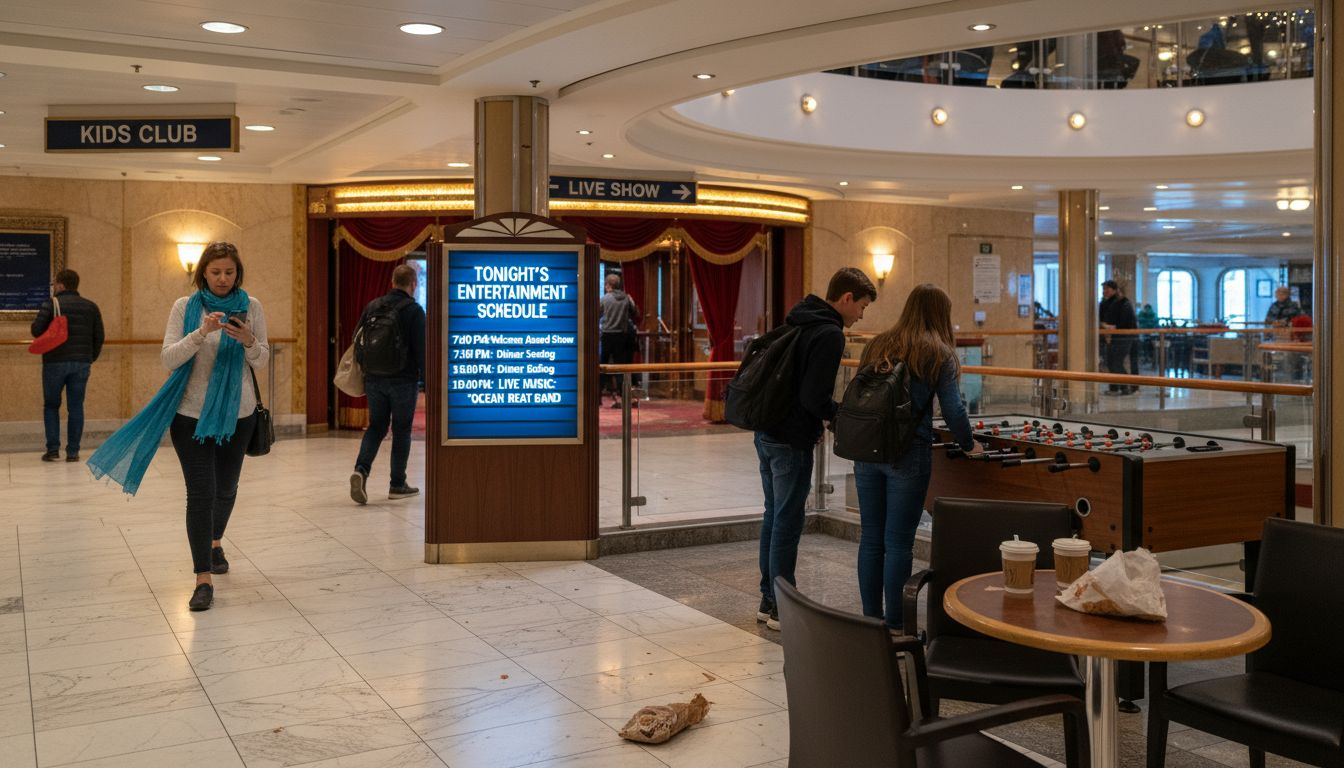
Cruise fares include far more entertainment and recreation than most first-time travelers realize. Movies, shows, sports, and kids’ programs are all built into your ticket price.
Daily Entertainment at No Extra Cost
Stage shows happen nightly in the main theater. Comedy acts, musical performances, and theatrical productions rotate throughout your cruise. You pick which shows appeal to you and reserve seats—no additional charges.
The variety of included entertainment options extends beyond evening theater. Throughout the day, cruise ships offer:
- Dance classes and fitness sessions
- Trivia competitions
- Cooking demonstrations
- Live music in lounges and bars
- Movie screenings in cinemas
- Pool deck parties and celebrations
Casinos are onboard, but gambling itself isn’t free—that’s entirely your choice to participate. The casino lounge and entertainment surrounding it, however, are open to all passengers.
Your fare covers unlimited access to scheduled entertainment; you simply choose what interests you and show up.
Kids’ Clubs and Family Programs
If you’re traveling with children, age-segregated kids’ clubs provide supervised activities throughout the day and evening. These programs are included in your cruise fare and operate by age group—toddlers, younger children, and teens each have dedicated spaces and programming.
Kids’ clubs typically cover:
- Arts and crafts activities
- Outdoor water games
- Movie screenings
- Sports competitions
- Educational activities
- Evening supervised activities (giving parents free time)
Most cruise lines like those emphasizing family-friendly atmospheres include these programs at no extra cost. Some lines offer premium or specialty kids’ programming for additional fees, but basic supervised care remains free.
Teenagers often get their own lounge with video games, dance parties, and social activities designed specifically for that age group.
Ship Facilities and Recreation
Your fare includes access to pools, hot tubs, and fitness centers. Many ships offer multiple pool areas—a main pool, family pool, and adults-only quiet pool. All are included.
Other standard facilities included in your fare:
- Full-service fitness centers with equipment
- Jogging tracks
- Basketball and volleyball courts
- Mini-golf courses
- Libraries and quiet lounges
- Internet access (varies by fare level)
- Theaters and screening rooms
Spa services, premium fitness classes, and specialty experiences carry extra charges. A basic yoga class might be free, but a specialized wellness retreat costs additional fees.
What Requires Extra Payment
Not everything entertainment-related is included. Specialty shows like circus performances or exclusive concert acts sometimes charge separately. Premium adult-only venues occasionally add cover charges.
Spa treatments, onboard photography, and activities requiring special equipment (like rock climbing walls or zip lines on newer ships) typically cost extra.
Internet packages range from €10-25 per day depending on your cruise line. Streaming packages offer better value for week-long cruises.
Pro tip: Download the cruise line’s mobile app before boarding to check daily entertainment schedules. Prioritize shows and activities on your first day to reserve spots for popular events—evening Broadway-style shows fill up quickly.
What’s Not Included: Common Extra Charges
Your cruise fare is transparent about what it covers, but the extras can catch you off guard if you’re not prepared. Understanding where additional costs appear helps you budget realistically.
Beverages and Dining Beyond the Basics
Alcoholic drinks cost extra unless you purchase a beverage package. Wine, beer, cocktails, and spirits all carry individual prices ranging from €5-15 per drink depending on your destination and cruise line.
Soft drinks and coffee from standard cafes are free, but specialty coffees—lattes, cappuccinos, and premium blends—typically cost €4-6 each. Bottled water isn’t complimentary everywhere onboard.
Specialty restaurants operate on an additional charge model. A steakhouse dinner might cost €30-50 per person. Italian trattorie, French bistros, and tasting menu experiences each charge separately.
Room service beyond basic items carries fees. Breakfast brought to your cabin costs extra, though you can get it free in the dining room.
Beverage packages start around €70-150 for a week-long cruise but only make financial sense if you drink regularly throughout your vacation.
Excursions and Port Activities
Shore excursions aren’t included in your cruise fare. These organized tours at each port—city walks, snorkeling trips, cultural experiences—range from €50-300+ per person depending on the activity and destination.
You can explore ports independently without paying for organized excursions, but booking through the cruise line guarantees you return to the ship on time.
Many common extra charges include shore activities that passengers assume are covered but must be booked and paid separately.
Internet, Communication, and Services
Wi-Fi and internet access require a paid package. Basic daily passes cost €10-15, while week-long packages range €60-100 depending on speed and data limits.
Other service charges include:
- Laundry and dry cleaning services: €2-5 per item
- Notary services and document printing
- Onboard photography: €15-30 per printed photo package
- Hair salon and barber services
- Casino gambling and gaming machines
Cell phone usage at sea carries international roaming charges unless your plan covers cruise ship connectivity.
Spa, Fitness, and Specialized Activities
Spa treatments are entirely extra. Massages, facials, and specialty therapies cost €100-250+ per session. However, basic gym access and most fitness classes remain free.
Some newer ships charge for specialty activities like rock climbing walls, zip lines, or surfing simulators. These typically cost €15-25 per use.
Mandatory gratuities warrant special mention. While technically optional, cruise lines automatically charge €12-15 per person daily unless you decline or modify the amount.
What You Can Control
You have flexibility with most extras. Skip the specialty restaurants and order from the buffet. Decline beverage packages and drink water or soft drinks. Use ship Wi-Fi sparingly.
But some charges are harder to avoid. Gratuities are expected, and additional costs like shore excursions often justify their value when you consider professional guides and organized transportation.
Pro tip: Pre-purchase beverage and internet packages before boarding—they’re 15-25% cheaper than onboard rates. For excursions, book directly with local tour operators at ports if you’re comfortable navigating independently, often saving 30-40% versus cruise line pricing.
How Cruise Fare Compares to Other Vacations
When you stack a cruise against a traditional land vacation, the math shifts dramatically in cruising’s favor—if you understand what you’re comparing.
The Bundling Advantage
Most vacations charge separately for lodging, meals, entertainment, and transportation. A week in a European city requires booking a hotel (€100-250 nightly), paying for restaurant meals (€20-60 per meal), purchasing attraction tickets (€15-40 each), and arranging local transportation.
Cruises bundle these components into one price. The bundled pricing model simplifies planning and creates predictable costs, which appeals to travelers seeking convenience without constant decision-making onboard.
Consider a real example: A week in Barcelona costs roughly €3,000-4,000 per person when you add lodging, meals, attractions, and transportation. A comparable Mediterranean cruise often starts at €2,200-3,500 per person with accommodation, all meals, entertainment, and transportation included.
This table compares cruise fares versus land vacations for a one-week European trip:
| Expense Category | Cruise Fare (per person) | Land Vacation (per person) | Notes |
|---|---|---|---|
| Lodging | Included | €700-1,750 | Hotel nightly rates |
| Meals | Included | €420-840 | Restaurant dining |
| Entertainment | Included | €105-280 | Attraction, ticket costs |
| Transportation | Included | €100-250 | Local & intercity travel |
| Extras/Excursions | €200-600 | €200-600 | Optional tours & activities |
| Total Estimate | €2,200-3,500 | €3,000-4,000 | Cruises often save 20-35% |
Cruises excel at value because your biggest expenses—lodging and food—are paid upfront and spread across seven days rather than itemized daily.
Hidden Costs in Land Vacations
Traditional vacations create surprise expenses that cruise passengers don’t face. Rental cars cost €40-80 daily plus fuel and parking. Restaurant markups in tourist areas run 30-50% higher than local dining.
Attraction tickets add up quickly:
- Museum entries: €12-25 each
- Guided tours: €50-100 per person
- Activity experiences: €60-200+ per activity
- Local transportation cards: €15-30 for the week
These costs accumulate without feeling like “vacation planning.” You’re simply living day-to-day and spending constantly.
Cruises force you to budget upfront, eliminating daily decision fatigue. Shore excursions are optional and pre-booked, not mandatory daily activities.
Where Cruises Lose Value
Cruises aren’t cheaper for every traveler. Solo travelers pay double occupancy rates (sharing a cabin with a stranger or paying solo fees), making per-person costs higher than land vacations.
Flying to your cruise port adds €200-500 per person in airfare for European cruisers. Some land vacations in nearby destinations involve no airfare costs.
Specialty experiences cost more on ships. A spa massage that costs €60 on land might run €150 onboard. Alcoholic beverages carry cruise ship markups.
Budget travelers who cook or use hostels can visit Europe cheaper than cruise fares. But most average travelers spend more on land vacations than comparable cruise packages.
The Real Comparison
Cruises win for families, groups, and travelers valuing all-inclusive simplicity. You know your costs upfront. Your kids’ entertainment is covered. Multiple destination experiences come without packing and unpacking.
Land vacations win for solo travelers, those seeking deep cultural immersion, or budget backpackers. They offer flexibility and personalized experiences that cruises can’t match.
Most first-time cruisers discover that comparing just the advertised fare to a hotel room is unfair—you’re comparing an incomplete experience to a complete one.
Pro tip: When comparing cruises to land vacations, calculate the total per-person cost including lodging, all meals, entertainment, transportation between destinations, and excursions for both options. The cruise’s bundled pricing often reveals 20-35% savings for groups of three or more.
Understand Your Cruise Fare and Book with Confidence Today
Navigating the complexities of cruise fare costs can feel overwhelming. The article highlights common challenges like hidden extras, variable cabin amenities, and costly onboard services that inflate your initial budget. If you want to avoid surprises and truly understand what is included in your cruise price, you need a smarter way to plan your vacation. ChooseCruise offers a modern solution designed specifically for travelers who want clarity, personalization, and control over their cruise experience.
Discover how our AI-powered platform simplifies finding the perfect cruise with transparent pricing and real-time deals. Whether you want insights on cabin types and included amenities or help estimating total costs including extras like gratuities and excursions, ChooseCruise equips you with the information you need. Start planning today and experience a worry-free booking journey at ChooseCruise where smarter cruise vacations begin.
Frequently Asked Questions
What does the cruise fare typically include?
The cruise fare usually covers cabin accommodation, basic meals in the main dining room, access to core entertainment, public areas, and port charges. However, extras like specialty dining, beverages, and excursions are not included.
Are gratuities included in the cruise fare?
No, gratuities are typically not included in the cruise fare. Passengers can expect to pay approximately €12-15 per person per day for service tips throughout the cruise.
How can I budget for additional costs on a cruise?
To budget effectively, add an estimated €400-600 per person for extras such as gratuities, excursions, specialty dining, and beverage packages to the advertised cruise fare.
Are there free dining options on cruises?
Yes, cruises often offer free dining options including meals in the main dining room and buffet. However, specialty restaurants and certain room service options may incur additional charges.
Recommended
Related reading
7 Smart Ways to Save on Cruises for Modern Travelers
Discover 7 smart ways to save on cruises with easy, practical tips designed for today’s digital cruise travelers. Learn to maximize value and minimize costs.
Understanding Why Choose River Cruises for Travel Fun
Discover why choose river cruises as your next adventure. Explore their benefits, unique experiences, and how they enhance travel enjoyment.
Understanding the Best Cruise Lines for Beginners
Discover the best cruise lines for beginners, understanding what they offer and why they matter for first-time cruisers.