Why cruising is ideal for families in 2026
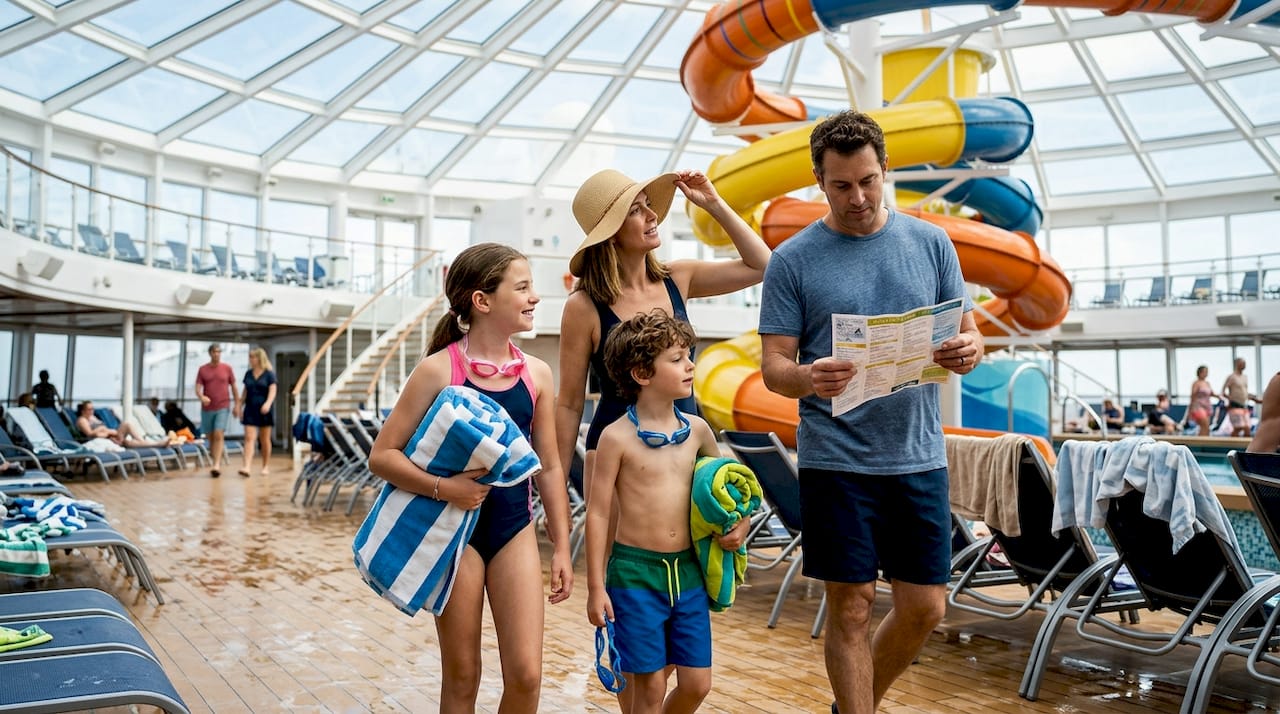
Many families dismiss cruising as boring or unsuitable for kids, stuck on outdated stereotypes of formal dinners and quiet decks. The reality couldn’t be more different. Modern cruise ships have transformed into floating resorts packed with activities, dining variety, and convenience that land vacations struggle to match. If you’re planning a family getaway, cruising offers engaging experiences for every age, all-inclusive value, and the unique ability to explore multiple destinations without the usual travel headaches. Let’s explore why cruising has become the go-to choice for families in 2026.
Table of Contents
- Engaging Onboard Activities For Every Family Member
- All-Inclusive Value And Flexible Dining To Please Picky Eaters
- Simplifying Travel: Multiple Destinations, Less Hassle
- Why Cruising Appeals To Multi-Generational Families And High Satisfaction Rates
- Explore The Best Cruise Deals For Families In 2026
Key takeaways
| Point | Details |
|---|---|
| Endless onboard activities | Pools, slides, kids clubs, and teen programs keep everyone entertained while parents enjoy adult time. |
| All-inclusive value | Accommodation, meals, drinks, and entertainment bundled into one price often costs less than separate land bookings. |
| Multiple destinations, one suitcase | Unpack once and visit several ports without constant packing or complicated logistics. |
| Multi-generational appeal | One-third of families cruise with two or more generations, with 82% becoming repeat cruisers. |
| High satisfaction rates | Travel agents rate ocean cruises 4.2 out of 5 for family suitability, reflecting strong industry confidence. |
Engaging onboard activities for every family member
Cruise ships deliver endless onboard activities for all ages, ensuring boredom never enters the equation. Kids clubs cater to specific age groups with supervised programs featuring arts and crafts, sports competitions, and themed parties. Teens get their own dedicated spaces with gaming lounges, dance floors, and social events designed without parental oversight. Meanwhile, parents can relax at adult-only pools, spas, or bars knowing their children are engaged and safe.
The variety keeps everyone happy throughout the voyage. Water slides, rock climbing walls, mini golf courses, and movie theaters provide endless entertainment options. Evening shows range from Broadway-style productions to comedy acts and live music. Many ships offer science labs, cooking classes, and character meet-and-greets that create memorable experiences beyond typical vacation activities.
Age-appropriate programming makes the biggest difference for families. Children ages 5 to 12 benefit most from structured kids club activities that match their energy levels and interests. Babies and toddlers require more hands-on parental attention, though some ships offer nursery services for an additional fee. Teens appreciate independence within the safe ship environment, making cruising ideal for families with older children who want freedom without constant supervision.
Pro Tip: Balance your schedule by booking kids club sessions for mornings, allowing family time together at lunch and during port visits, then splitting up again for evening activities when adults want dinner alone.
Popular programs fill quickly, so families should book kids clubs early to secure preferred time slots. Most cruise lines allow reservations once final payment clears, typically 90 days before departure. This advance planning ensures your children get spots in the most desirable activities while you coordinate adult relaxation time. The structured yet flexible approach gives families control over togetherness and separation, creating the perfect vacation balance that satisfies everyone’s needs.
All-inclusive value and flexible dining to please picky eaters
Cruises bundle accommodation, meals, drinks, and entertainment into one upfront price, delivering exceptional value compared to land vacations where each component adds separate costs. When you calculate hotel rooms, restaurant meals three times daily, activity fees, and transportation between attractions, the total often exceeds cruise pricing significantly. This all-inclusive model simplifies budgeting and eliminates constant spending decisions that stress families during traditional vacations.
Kids sail free promotions further boost affordability for families. Many cruise lines offer these deals during off-peak seasons or as special booking incentives, allowing children to cruise at no additional cost beyond port fees and taxes. These savings make cruising accessible to families who might otherwise struggle with vacation budgets, stretching dollars further while delivering diverse experiences across multiple destinations.
Dining flexibility solves the picky eater challenge that plagues family travel. Ships feature multiple restaurants ranging from casual buffets to specialty venues, each offering varied menus throughout the day. Main dining rooms provide children’s menus with familiar favorites like chicken fingers, pizza, and pasta alongside more adventurous options. Buffets let kids choose exactly what appeals to them without forcing unfamiliar foods, reducing mealtime battles that exhaust parents.
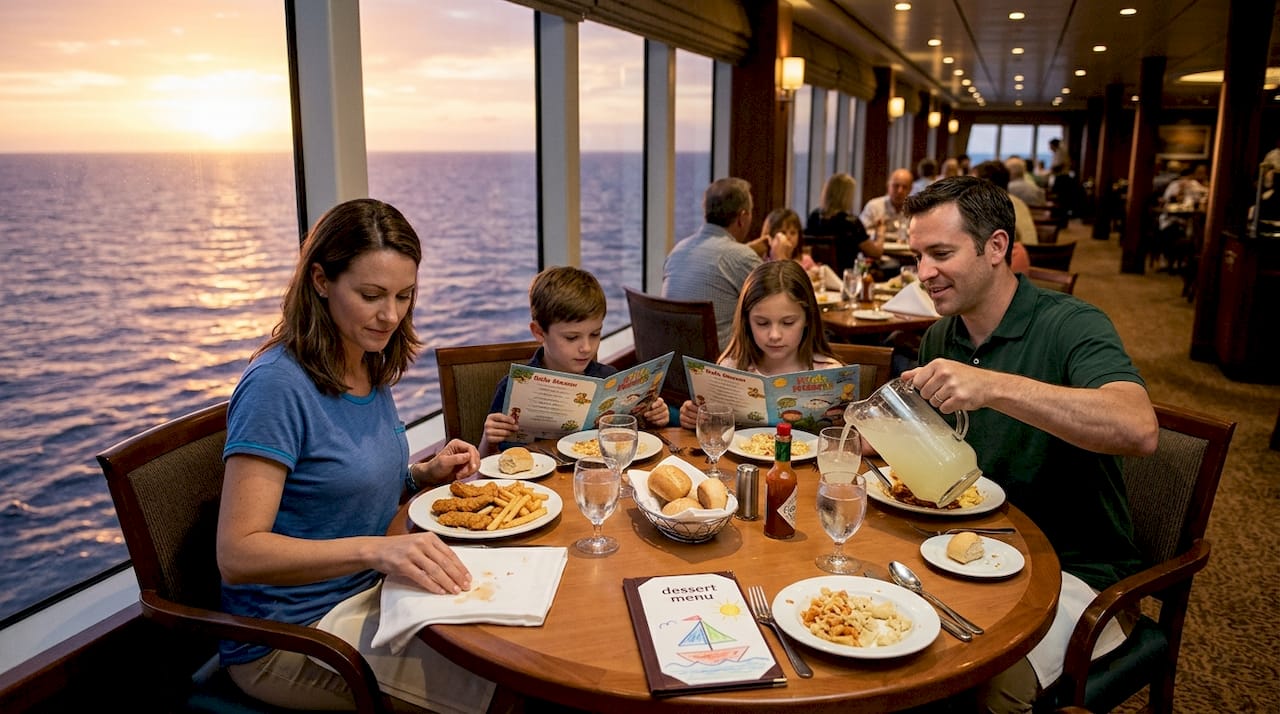
Port-inspired menus introduce new flavors gradually for adventurous young eaters. As ships visit different destinations, chefs incorporate regional ingredients and cooking styles into daily offerings. This gentle exposure helps children expand their palates naturally without pressure, turning meals into educational experiences. Families can explore Caribbean jerk chicken one night, Mediterranean seafood the next, and Asian stir-fry after that, all within the comfortable ship environment.
Flexible dining times accommodate family schedules better than rigid restaurant reservations. Early seating works for families with young children who need consistent bedtimes, while late seating suits teens and parents wanting leisurely evenings. Anytime dining options eliminate schedule constraints entirely, letting families eat whenever hunger strikes. Room service provides another convenient backup for exhausted kids or parents who prefer quiet meals after busy port days.
The variety of dining venues ensures every family member finds something satisfying at every meal. Specialty restaurants offer premium experiences for special occasions without leaving the ship, while casual cafes provide quick snacks between activities. This abundance of choice removes the stress of pleasing everyone simultaneously, a common struggle during land vacations where restaurant options may be limited or require advance reservations that don’t accommodate spontaneous schedule changes.
Simplifying travel: Multiple destinations, less hassle
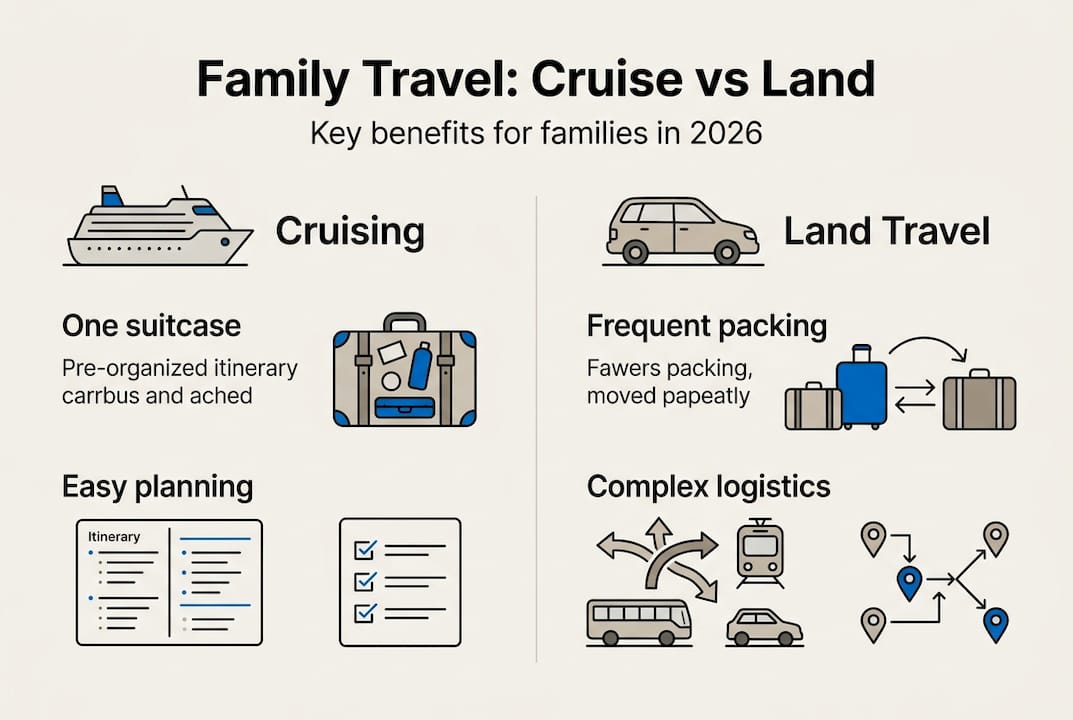
Cruising lets families unpack once and visit multiple destinations without the logistics nightmares that plague traditional multi-city vacations. Your floating hotel moves overnight while you sleep, eliminating airport transfers, hotel check-ins, and the constant packing that exhausts parents traveling with children. This seamless approach to seeing the world transforms travel from stressful to enjoyable, particularly for families with young kids who require substantial gear.
The contrast between cruising and land-based travel becomes stark when comparing logistics:
| Factor | Cruising | Land-Based Multi-Destination |
|---|---|---|
| Packing frequency | Once for entire trip | Every 2-3 days per destination |
| Transportation coordination | Included, automatic overnight | Book flights, trains, or rental cars separately |
| Accommodation booking | Single reservation | Multiple hotel reservations and confirmations |
| Stress level | Low, ship handles logistics | High, constant planning and transitions |
| Cost predictability | Upfront all-inclusive pricing | Variable, accumulating expenses |
Families traveling with young children especially appreciate avoiding constant packing. Toddlers require car seats, strollers, diapers, and extensive clothing changes that multiply luggage exponentially. Moving this gear between hotels every few days creates physical exhaustion and increases the risk of forgetting essential items. Cruising eliminates these concerns entirely, letting parents focus on enjoying destinations rather than managing logistics.
Multi-generational groups benefit tremendously from simplified cruise travel. Coordinating flights, hotels, and activities for grandparents, parents, and children across different cities becomes overwhelming quickly. Everyone staying on the same ship removes coordination headaches while ensuring the group stays together throughout the vacation. Grandparents with mobility limitations particularly appreciate not navigating airports and train stations repeatedly.
Here’s how cruising simplifies family travel step by step:
- Book one cruise covering multiple ports instead of separate hotels and transportation
- Pack once at home, unpack in your cabin, and leave belongings there all week
- Wake up in new destinations without early morning travel or airport security
- Explore ports during the day knowing your floating hotel awaits your return
- Enjoy evening entertainment and meals while the ship moves to the next destination overnight
- Disembark once at the final port with all belongings still organized in your cabin
Pro Tip: Plan shore excursions before departure to maximize port time and lock in preferred activities, but leave one or two days flexible for spontaneous exploration or extra rest if kids need downtime.
Travel advisors report that families save 70% of planning time when booking cruises compared to coordinating equivalent land vacations, freeing mental energy for enjoying the experience rather than managing endless details. This time savings translates directly into reduced stress and increased vacation satisfaction for parents who typically shoulder the planning burden.
Why cruising appeals to multi-generational families and high satisfaction rates
Cruising attracts families across generations like no other vacation type. One-third of families cruise with two or more generations, with 28% including three to five generations on the same voyage. This multi-generational appeal stems from cruising’s ability to accommodate diverse interests, mobility levels, and age ranges within one shared experience. Grandparents enjoy relaxed deck chairs and enrichment lectures while grandchildren splash in pools, yet everyone reunites for family dinners and shore excursions.
The demographic breakdown of cruise passengers illustrates this broad appeal:
| Generation | Percentage of Cruisers | Primary Appeal |
|---|---|---|
| Silent Generation (78+) | 12% | Relaxation, enrichment, ease of travel |
| Baby Boomers (60-77) | 38% | Exploration, value, comfort |
| Generation X (44-59) | 28% | Family bonding, convenience, variety |
| Millennials (28-43) | 18% | Adventure, social experiences, Instagram moments |
| Generation Z (18-27) | 4% | Entertainment, independence, new experiences |
Repeat cruise rates demonstrate exceptional satisfaction among families who try cruising. 82% become repeat cruisers after their first voyage, indicating the experience exceeds expectations consistently. This loyalty stems from discovering how well cruising solves common family vacation challenges like keeping everyone entertained, managing budgets, and coordinating complex logistics across different age groups and interest levels.
Travel agents provide professional validation of cruising’s family suitability. Ocean cruises rate 4.2 out of 5 among agents recommending family vacations, reflecting strong industry confidence in cruise products. Additionally, 31% of recent cruisers were new to cruising, showing the industry successfully attracts first-time family cruisers who then become loyal repeat customers. This combination of professional endorsement and customer retention validates cruising as a proven family vacation solution.
“Cruising creates shared experiences that bond families across generations in ways traditional vacations cannot match. When grandparents, parents, and children explore new destinations together while enjoying personalized onboard activities suited to each age group, they build lasting memories within a stress-free environment that keeps everyone happy.”
The social benefits of cruising extend beyond immediate family to meeting other families with similar interests. Kids make friends in youth programs while parents connect with other adults during activities and dining. These social connections often lead to lasting friendships and reunion cruises where families intentionally book the same sailings year after year, creating extended vacation communities that enhance the experience beyond the ship itself.
Explore the best cruise deals for families in 2026
Now that you understand why cruising delivers unmatched value and convenience for family vacations, it’s time to explore your options. Finding and booking cruise deals has never been easier with platforms designed specifically for families seeking the perfect balance of entertainment, value, and stress-free travel. Compare prices across cruise lines, read detailed itineraries, and discover which ships offer the kids clubs, dining variety, and port destinations that match your family’s interests.
First-time cruisers often benefit from starting with shorter 3-day cruises to test the experience before committing to longer voyages. These quick getaways let families experience onboard activities, dining variety, and the convenience of unpacking once while visiting exciting ports. Many cruise lines offer kids sail free promotions on these shorter sailings, making them affordable entry points for families curious about cruising but hesitant to invest in week-long vacations immediately.
FAQ
What age is best for kids on cruises?
Children ages 5 to 12 benefit most from cruise activities designed specifically for their developmental stages and energy levels. Kids clubs offer supervised programs with age-appropriate entertainment that keeps them engaged throughout the voyage. Babies and toddlers require more hands-on parental attention since most cruise lines only accept children six months or older, and nursery services typically cost extra. Teens enjoy dedicated spaces like gaming lounges and social areas where they can interact with peers independently, making cruising ideal for families with older children seeking supervised freedom.
Are cruises affordable compared to land vacations?
All-inclusive cruise pricing often costs less than booking equivalent land vacations separately when you calculate accommodation, meals, entertainment, and transportation together. Hotels charge nightly rates plus restaurant meals three times daily, activity fees, and ground transportation that accumulate quickly. Kids sail free promotions reduce family costs further by eliminating charges for children traveling with paying adults, stretching vacation budgets to cover more experiences. The predictable upfront pricing helps families avoid surprise expenses that derail land vacation budgets.
How early should families book kids clubs and activities?
Families should reserve kids club spots immediately after final payment clears, typically 90 days before departure, since popular programs fill quickly. Most cruise lines open activity reservations at this milestone, creating competition for preferred time slots among families sailing the same voyage. Early planning secures your children’s spots in the most desirable activities while coordinating adult relaxation schedules around kids club sessions. Waiting until embarkation day often means missing out on popular programs entirely, forcing families into less convenient time slots or alternative activities that may not match their vacation planning goals.
What are common challenges families face on cruises?
Cabin space can feel cramped for large families since standard staterooms accommodate four people maximum with limited floor space for storing luggage and moving around comfortably. Extra costs for shore excursions, specialty dining, and alcoholic beverages add up beyond the base cruise fare, surprising families who expect truly all-inclusive pricing. Crowds and noise levels during peak times like embarkation day, popular show times, and buffet meals require patience, especially for families with young children who become overwhelmed in busy environments. Planning quieter activities during peak crowd times and booking connecting cabins for larger families helps mitigate these challenges.
Recommended
Related reading
6 Best Cruise Destinations 2026 for Smart First-Time Travelers
Discover the 6 best cruise destinations 2026 with expert tips for tech-savvy first-time travelers, including personalized advice for easier cruise booking.
Cruise Package Explained: Stress-Free Vacation Booking
Cruise package means bundled travel with accommodations, meals, entertainment, excursions. Learn the types, inclusions, pros, costs, and mistakes to avoid.
7 Smart Ways to Save on Cruises for Modern Travelers
Discover 7 smart ways to save on cruises with easy, practical tips designed for today’s digital cruise travelers. Learn to maximize value and minimize costs.