Repositioning Cruises: What They Are and How to Book One
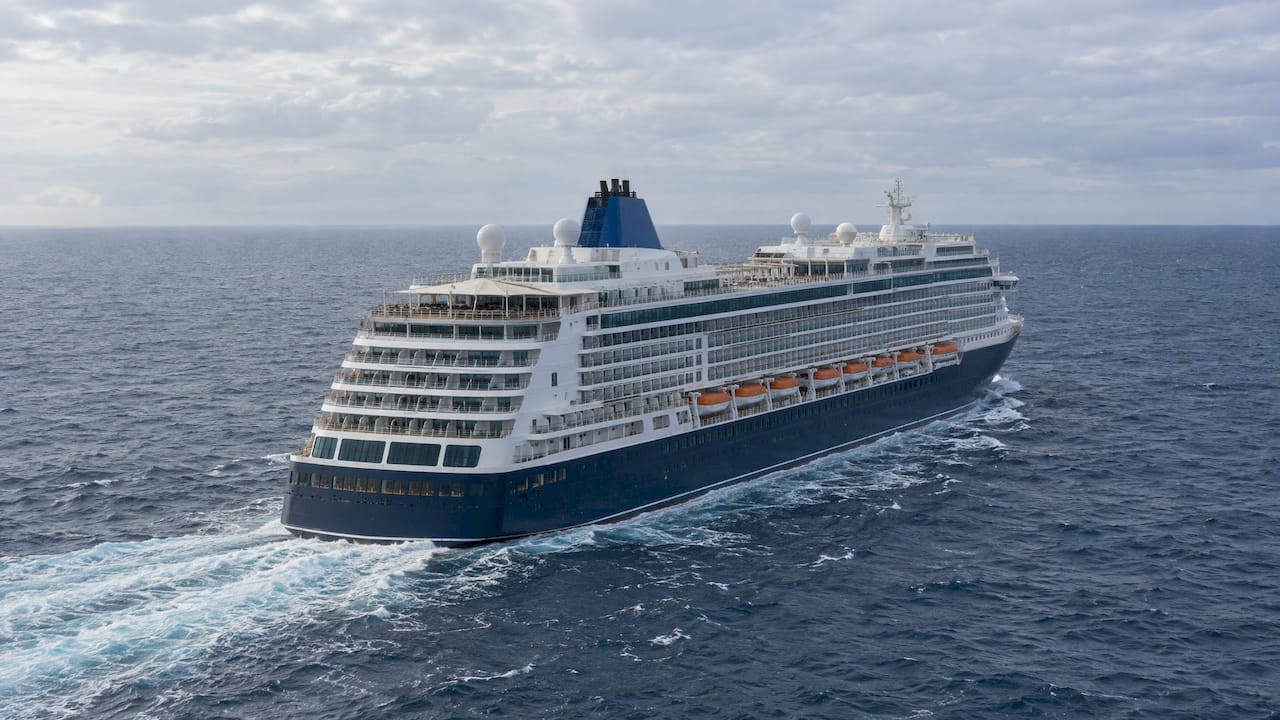
A repositioning cruise is a one-way voyage that moves a ship from one seasonal region to another, so you board in one port and get off in a different one. NerdWallet’s guide gives the classic example: a ship leaving the Mediterranean for the Caribbean as the seasons change. You get a longer sailing, more time at sea and unusual routes, and the way to book one well is to compare the same sailing across cruise lines and watch the fare before you commit. That is the job of the ChooseCruise search engine, which puts partner agency offers in one catalog and tracks fare changes.
This guide covers what the term means, when these sailings run, which routes exist, how long they last, what to budget and how to plan the flights on either end.
TL;DR
- A repositioning cruise is a one-way sailing between two seasonal regions, such as Europe and the Caribbean, so the start and end ports differ.
- They cluster in spring (roughly March to May) and fall (roughly September to November), and often run two to three weeks.
- Expect more sea days and fewer ports than a standard week-long trip, which suits travelers who want a slower pace and ship time.
- Budget for two one-way flights or an open-jaw ticket, plus drinks and extras onboard.
- Track the fare on the exact sailing you want and compare cabins line by line before you book.
Table of Contents
- What a repositioning cruise means
- When repositioning cruises happen
- Common routes
- How long they last and what the days look like
- Who it suits
- What it costs, and what to add up
- Planning flights and documents
- How to book a repositioning cruise
- Where ChooseCruise fits
- Our perspective
- FAQ
- Sources
What a repositioning cruise means
Cruise lines do not keep a ship in one place all year. Ships follow demand and weather: the Caribbean is busiest in the winter, Alaska and Europe in the summer. When a season ends, the ship has to get to its next home, and that trip is the repositioning.
The key difference from a regular cruise is that it does not loop back. A standard sailing starts and ends in the same port. A repositioning sails from, say, Barcelona to Miami, and you fly home from Miami.
Travel + Leisure quotes a luxury travel advisor explaining that seasonal weather and demand drive the moves, and that some of these ship movements are opened to passengers to help offset fuel and operating costs. In other words, you are booking a seat on a trip the ship was going to make anyway.
You will also see the term “transatlantic cruise” used. That is the most common type of repositioning: a crossing between Europe and North America. If you search for one by destination, our Transatlantic cruise deals page lists the sailings in one place.
When repositioning cruises happen
Two windows matter most. NerdWallet’s guide says these sailings are most common in spring, roughly March to May, and in fall, roughly September to November, though they can occur at other times.
The pattern follows the ships:
- Spring: ships move from the Caribbean to Europe for the summer season. Other spring moves head toward Alaska and Canada/New England.
- Fall: ships cross from Europe back to the Caribbean for winter. The Points Guy describes the same spring and fall crossings, plus moves tied to Alaska, South America and Canada/New England seasons.
Schedules change from year to year, and each line publishes its own deployment. Treat the seasons as a pattern and check the sailing dates in the search results for the year you want to travel. Because these voyages are planned months ahead, you can usually decide early, which helps with flights too.
Common routes
Repositioning routes are not all the Atlantic crossing. According to Travel + Leisure, the common ones include:
- Alaska to the Caribbean via the West Coast and the Panama Canal
- Europe to North America across the Atlantic
- North America to Australia or the South Pacific via Hawaii and French Polynesia
- Alaska to Japan across the North Pacific
- The Mediterranean to South Asia via the Suez Canal or around southern Africa
Transatlantic itineraries can include a stop in the Azores, according to the same guide. NerdWallet adds that unusual stops on these voyages may include Bermuda, the Azores, the Canary Islands and Greenland.
For Europe-based travelers, the most practical routes are the ones that start or end on your side of the Atlantic. Spring sailings from the Caribbean or the US East Coast land you in a European home port. Fall sailings do the reverse. Our pages for North Europe cruises and North America East Coast cruises are a good starting point for the ports at each end.
How long they last and what the days look like
Length varies a lot. The Points Guy describes examples from four or five days up to about 28 nights. NerdWallet gives a typical range of two to three weeks, compared with about a week for a standard sailing.
| Trip style | Typical length | Ports | Sea days |
|---|---|---|---|
| Standard cruise | About a week | Port almost every day | A few |
| Short coastal repositioning | Four to five days | A handful | Some |
| Typical repositioning | Two to three weeks | Fewer | Several in a row |
| Long crossing | Up to about 28 nights | Few | Many |
The lengths come from the guides above; individual sailings differ, so read each itinerary.
The trade is simple: fewer ports, more ship. Matador Network quotes a Holland America deployment executive saying longer sea days leave guests time for live music, dining, enrichment talks and relaxation, and that the onboard experience stays consistent across voyage lengths. The same article quotes psychologist and travel writer Irene S. Levine on the benefit of a less scheduled trip: it leaves room for spontaneous experiences and real rest.
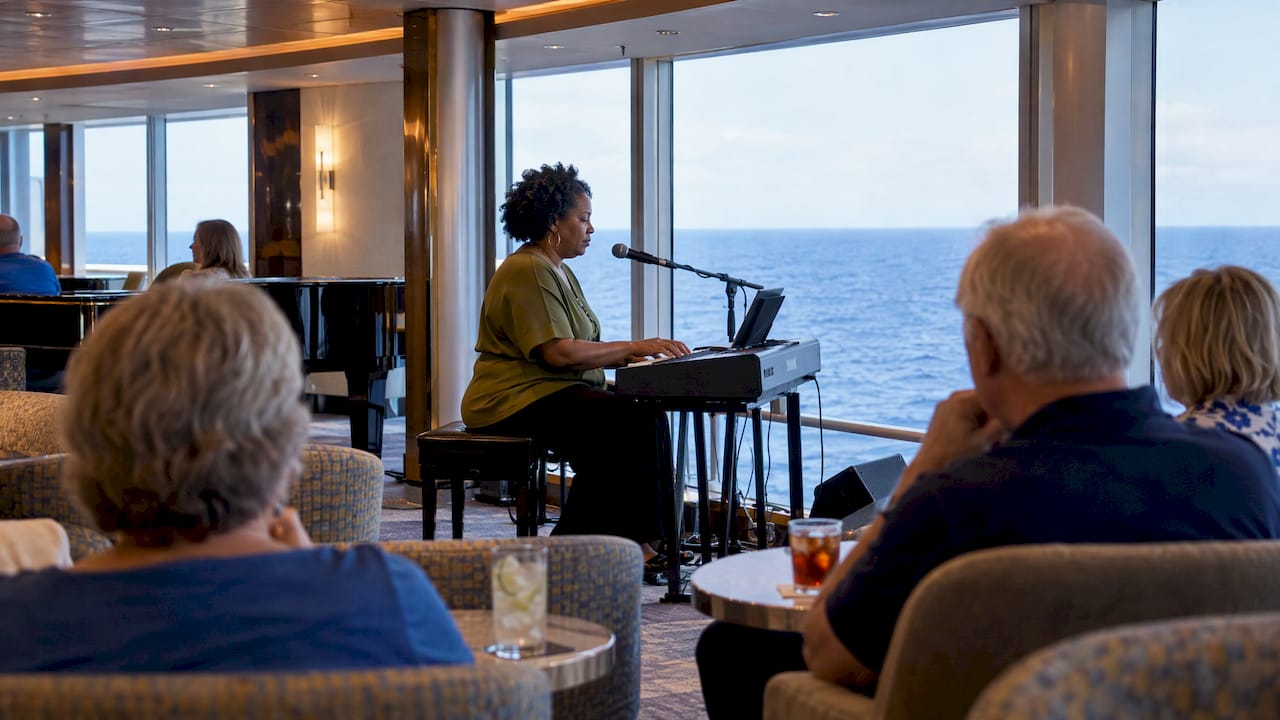
The Points Guy lists onboard programming that fills those days, including comedy, fitness, shopping, art, wine tastings, evening shows and guest lectures.
If you want a new town every morning, a standard port-intensive itinerary is the better fit. If you want to unplug, work remotely from a balcony or finally use the spa, a crossing is built for you. Matador’s article notes that suitability depends on how much time you have and how you like to travel.
Who it suits
Repositioning cruises fit a few kinds of travelers well:
- First-time cruisers with flexible time. Two or three weeks is a lot of ship life. If you are unsure you will like sea days, a shorter coastal repositioning of four or five days is an easy way in.
- Remote workers and people with long vacations. Long sailings reward people who can take time off in one block.
- Couples who want a slow trip. Fewer port days mean fewer early alarms.
- Route collectors. Stops such as the Azores, Bermuda, the Canary Islands or Greenland rarely appear on ordinary itineraries.
Families can sail too, but school calendars rarely line up with March to May or September to November, so check dates first.
If this is your first cruise overall, our guide to the best cruise destinations for first-time cruisers helps you decide which regions to start with.
What it costs, and what to add up
The fare per night is where repositioning cruises attract attention. Travel + Leisure attributes lower per-day fares on some of these sailings to weaker demand for itineraries heavy on sea days. It also notes that a unique, sought-after route can instead command a high fare. A travel advisor quoted in the same piece says fewer travelers want long strings of sea days and that rough-weather risk can reduce demand and fares on some crossings.
So do not assume every repositioning is cheap. Judge each sailing against comparable sailings: price per night, cabin category and what is included.
Build the full trip cost from these parts:
- The cruise fare for your cabin.
- Flights. You need to reach the departure port and return from the arrival port. NerdWallet says this typically means two one-way flights or one open-jaw ticket (into one city, out of another).
- Hotel before or after. Arriving a night early protects you from a delayed flight on a long trip.
- Drinks and extras. The Points Guy suggests accounting for onboard drink spending on sea-heavy trips and says a beverage package can offer more value when fewer port stops keep you aboard.
- Transfers between airport, hotel and pier.
NerdWallet notes that AAA advises counting flights, hotels and transfers in total trip value. That is the right way to compare a one-way crossing with a round-trip cruise.
A worked example of the math
Say two sailings both reach Europe in spring. One is a 14-night crossing and one is a 7-night round trip. Add the fare for each, then add the flights and the hotel night. Divide each total by the number of nights. A repositioning with a lower nightly fare can still end up close to the round trip once an open-jaw flight is added, and it gives you twice the nights. Run this with your own numbers, not with an average.
Planning flights and documents
The logistics are the part first-timers underestimate.
- Book the cruise first, then the flights. The ship’s dates and ports set everything else.
- Look at open-jaw tickets. Flying into the departure city and out of the arrival city on one ticket can be simpler than two separate one-ways. Compare both.
- Book flights early. AAA, as relayed by NerdWallet, recommends it.
- Check passport and visa rules for every country on the itinerary and for where you land. A crossing that ends in a different country than it started may need different paperwork from your usual trip.
- Pack for several climates. AAA also advises planning for different climates, which matters on shoulder-season routes where one end can be warm and the other chilly.
If you are based in Europe, the spring eastbound sailings let you finish at a home port and avoid a long-haul flight at the end. Check where the ship docks before you buy a return ticket.
How to book a repositioning cruise
- Pick your window and region. Decide whether you want a spring or fall crossing, or a Pacific or Alaska move, and how many weeks you can take.
- Search by destination. Our cruise destinations pages group sailings by region, so you can open the transatlantic or Europe pages and look for one-way itineraries with different start and end ports.
- Compare lines and cabins. Look at cabin-by-cabin fares for the same sailing, not only the headline price. The fare for an inside cabin and a balcony can differ more on long sailings.
- Watch the price. Fares move. Add the sailing to your watch list and wait for an alert if the date is months away.
- Price the whole trip. Add flights, a hotel night and drinks before you decide.
- Book and count down. Once you have booked, our countdown timer keeps the sailing date in view.
Where ChooseCruise fits
Repositioning cruises have a long list of variables: different ports at each end, long lengths, many lines and fares that move. Comparing them one cruise line site at a time takes hours.
ChooseCruise brings cruise offers from travel agency partners into one searchable catalog. You can use the Cruise Search Engine to compare cabin-by-cabin fares across lines, ask the AI Cruise Chat for recommendations when you are not sure which route suits you, and turn on Price Drops so you get alerts when a watched sailing changes price. You can book in the app, and using the platform is free for travelers.
If you are just starting out, browse the current cruise deals and save the sailings that catch your eye.
Our perspective
We think repositioning cruises are one of the best ways to see how much a cruise can offer, because the ship itself becomes the destination. The days are slower, the itineraries are unusual and the sailing is long enough to settle in.
The catch for most people is not the cruise. It is the sheer number of options: dozens of crossings, different ports at each end, and fares that change from week to week. That is why we built ChooseCruise around comparison and tracking. When you can see the same sailing across cruise lines, cabin by cabin, and get an alert when the price moves, a one-way route stops feeling like a puzzle.
Our advice to first-timers: start with the dates you can really take off, pick the region you want to end up in, and let the price tracker do the waiting for you. Then add up flights and extras before you pay, so the sailing you choose is the right one for the whole trip.
Igor
FAQ
What does repositioning cruise mean?
It means a one-way cruise that moves a ship between two regions at the change of a season. Because the ship does not return to where it started, you board at one port and disembark at another. Transatlantic crossings are the best-known example.
When are repositioning cruises cheapest?
There is no fixed rule. Travel + Leisure links lower per-day fares to weaker demand for sailings with many sea days, but popular routes can cost more. Compare the nightly rate across several sailings, then add flights and onboard spending. Price alerts help you catch a drop on the sailing you want.
How long is a repositioning cruise?
Most run two to three weeks, according to NerdWallet, though some are only four or five days and others reach about 28 nights. Check the itinerary for the number of sea days and port calls before you choose.
Do I need two flights for a repositioning cruise?
Usually yes. You need to get to the departure port and home from the arrival port, which typically means two one-way flights or one open-jaw ticket. Book after your cruise dates are fixed, and check passport and visa rules for the countries on your route.
Are repositioning cruises good for first-time cruisers?
They can be, especially if you like a relaxed pace and have flexible time. If you are unsure about long stretches at sea, a shorter coastal repositioning of four or five days is an easy first step.
Sources
- What Are Repositioning Cruises? (NerdWallet)
- What to Know About Repositioning Cruises (Travel + Leisure)
- Repositioning cruises 2025 and 2026 (The Points Guy)
- Repositioning Cruises Are the Anti-Itinerary Vacation (Matador Network)
Recommended
Related reading
6 Best Cruise Destinations 2026 for Smart First-Time Travelers
Discover the 6 best cruise destinations 2026 with expert tips for tech-savvy first-time travelers, including personalized advice for easier cruise booking.
Cruise Package Explained: Stress-Free Vacation Booking
Cruise package means bundled travel with accommodations, meals, entertainment, excursions. Learn the types, inclusions, pros, costs, and mistakes to avoid.
7 Smart Ways to Save on Cruises for Modern Travelers
Discover 7 smart ways to save on cruises with easy, practical tips designed for today’s digital cruise travelers. Learn to maximize value and minimize costs.