Cruise dining options list: 40+ flavor choices Europe cruises
First-time cruisers stepping aboard a Europe-based ship often find themselves staring at a menu of 40 or more dining options, wondering where to start. From elegant main dining rooms to intimate specialty restaurants and bustling buffets, the sheer variety can feel overwhelming. This guide breaks down the key selection criteria and walks you through each dining venue so you can choose options that match your style, budget, and dietary needs with confidence.
Table of Contents
- How To Choose Your Cruise Dining Experience: Key Criteria
- Main Dining Room: The Classic Cruise Dining Experience
- Specialty Restaurants: Premium Flavors And Unique Ambiance
- Buffet And Casual Dining: Flexibility And Convenience Onboard
- Special Dietary Options: Catering To All Needs
- Reservation Systems And Flexibility: Finding The Best Fit
- Pricing And Cost Comparison: Budgeting Your Cruise Dining
- Summary Comparison And Recommendations
- Plan Your Perfect Cruise Dining With ChooseCruise
- Frequently Asked Questions
Key takeaways
| Point | Details |
|---|---|
| Selection criteria | Evaluate dining style, pricing model, reservation flexibility, and dietary accommodations to personalize your cruise experience. |
| Main dining rooms | Included in cruise fare, offer multi-course meals with social atmosphere ideal for budget-conscious travelers. |
| Specialty restaurants | Premium cuisine at €20-€60 per meal with reservations required, best for celebrations and romantic dinners. |
| Buffet and casual dining | Self-service with 40+ dishes and extended hours, perfect for flexible schedules and informal meals. |
| Dietary accommodations | Up to 95% of cruise lines provide gluten-free, vegetarian, and allergy-friendly menus across all venues. |
How to choose your cruise dining experience: key criteria
Your dining style and ambiance preferences matter more than you think. Some travelers crave the formality of a three-course dinner with table service, while others prefer grabbing a quick bite poolside. Identifying whether you value social interaction or quiet meals will shape every decision you make.
Pricing models split into two camps: included and specialty. Main dining rooms and buffets come with your cruise fare, while specialty restaurants add charges. Knowing which meals you want to splurge on versus where you’ll eat casually keeps your budget on track.
Reservation flexibility impacts convenience daily. Fixed-time dining locks you into set meal hours, but freestyle systems let you dine whenever hunger strikes. Modern app-based tools make real-time bookings easier than ever, especially for travelers aged 25-45 who expect mobile-first experiences.
Dietary and accessibility accommodations ensure health and comfort. If you follow a gluten-free, vegetarian, or allergy-restricted diet, confirming that your cruise line documents these options across all venues prevents mealtime stress.
Seating capacity and atmosphere influence how you feel during meals. Large communal dining rooms foster new friendships, while intimate specialty venues offer privacy. Consider whether you want to meet fellow cruisers or enjoy quiet time with your travel companion.
Pro Tip: Review cruise dining tips for first-time travelers before booking to avoid common mistakes like missing specialty restaurant reservations or underestimating dietary accommodation timelines.
Main dining room: the classic cruise dining experience
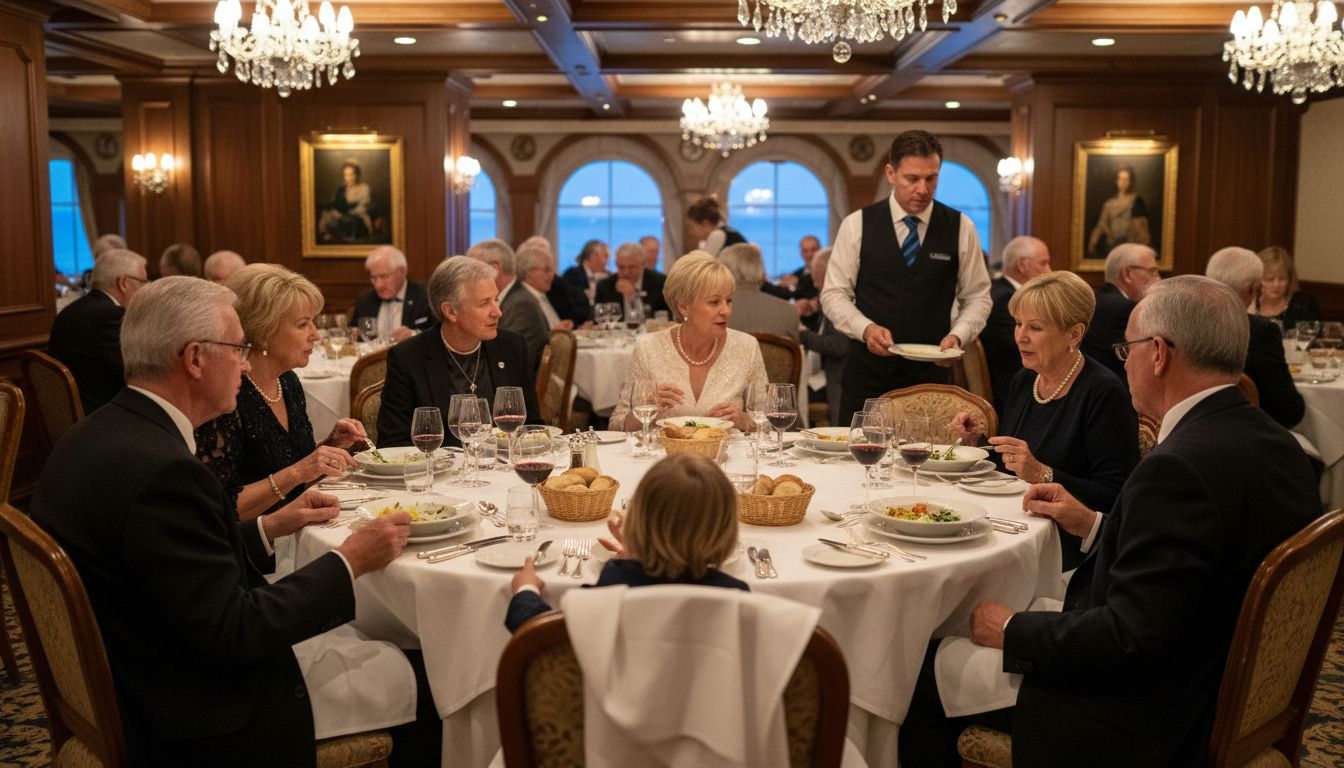
The main dining room serves as the heart of cruise dining, included in your fare with no extra charges. You’ll choose between fixed seating times or flexible dining windows depending on your cruise line’s policy. Fixed times create routine and help you meet the same tablemates nightly, building friendships. Flexible dining offers spontaneity but may involve short waits during peak hours.
Multi-course menus rotate daily, featuring traditional European dishes alongside international favorites. Expect appetizers, soups, salads, entrees, and desserts prepared by trained chefs. Main dining rooms offer multi-course meals with traditional cuisine included in the cruise fare and foster a large communal atmosphere, making them a reliable choice for quality without added cost.
The large communal space encourages socializing with fellow passengers. Tables accommodate couples, families, or groups, and staff often seat solo travelers together. This environment suits travelers who enjoy conversation and making new connections during their voyage.
Budget-conscious cruisers benefit most from main dining rooms since meals don’t impact your wallet beyond the initial cruise price. If you’re sailing for the first time and want predictable costs while experiencing quality cuisine, this venue delivers consistent value.
For a deeper dive into how main dining compares to other options, explore cruise dining options explained to understand the full spectrum of onboard choices.
Specialty restaurants: premium flavors and unique ambiance
Specialty restaurants require advance reservations due to limited seating, often filling up within hours of embarkation. Booking through your cruise line’s app or guest services desk before sailing ensures you secure your preferred night and time. These venues typically accommodate 50 to 150 guests, creating an intimate atmosphere.
Diverse international cuisines define specialty dining, from Italian trattorias and French bistros to Japanese sushi bars and American steakhouses. Menus feature higher-quality ingredients and chef-driven preparation compared to main dining. Specialty restaurants consistently rank highest for food quality and ambiance with cover charges ranging from €20 to €60 per meal, justifying the extra expense for discerning palates.
Cover charges vary by venue and cruise line, with most falling between €20 and €60 per person. Some ships offer dining packages that bundle multiple specialty meals at a discount, saving 10% to 20% if you plan to dine at these spots frequently.
Romantic dinners, anniversaries, or milestone celebrations find their perfect setting in specialty restaurants. The elevated service, refined ambiance, and premium flavors create memorable experiences worth the added cost. If you’re cruising for a honeymoon or special occasion, budget for at least one specialty meal.
Pro Tip: Check specialty dining options to compare which cuisines and venues best match your taste preferences before committing to reservations.
Buffet and casual dining: flexibility and convenience onboard
Buffet dining comes included in your cruise fare, offering self-service access to 40 or more international dishes. Stations feature salads, hot entrees, carving stations, pasta bars, and dessert spreads. You control portion sizes and can sample multiple cuisines in one sitting, appealing to adventurous eaters.
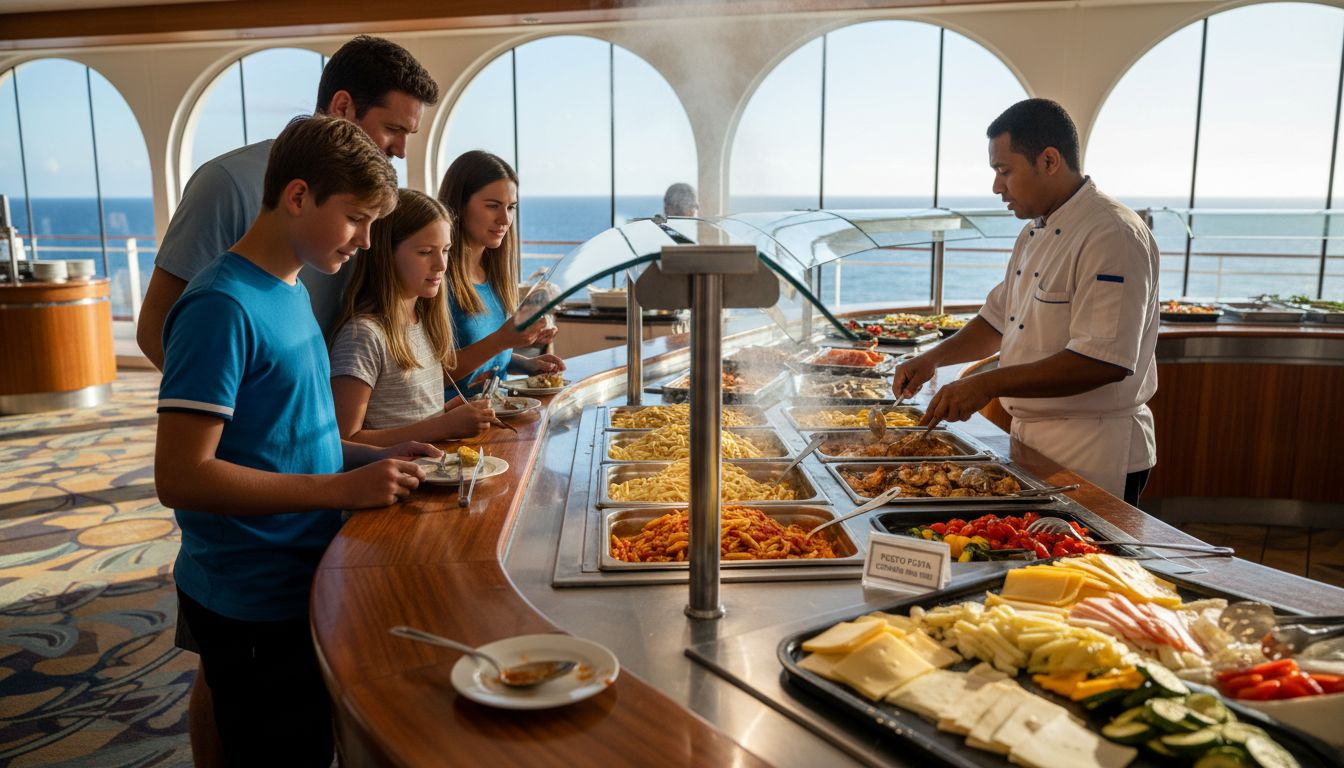
Extended operating hours make buffets ideal for travelers with flexible schedules. Most open for breakfast by 6:30 a.m. and serve lunch and dinner with minimal gaps, accommodating early risers and late diners alike. Buffets offer self-service international dishes with high guest throughput and operate for extended hours to accommodate casual dining needs, handling 300 or more guests per hour during peak times.
Casual dining venues expand beyond the main buffet to include poolside grills, cafes, and grab-and-go kiosks. Poolside spots serve burgers, hot dogs, and pizza throughout the afternoon, perfect for quick bites between activities. Cafes offer pastries, sandwiches, and coffee drinks, fueling your day without a formal sit-down meal.
The relaxed atmosphere suits families with children and travelers who dislike reservations or dress codes. You can show up in casual attire straight from the pool deck, making these venues stress-free and convenient.
For more details on how buffets fit into the broader dining landscape, visit buffet dining options to see comparisons with other onboard choices.
Special dietary options: catering to all needs
Gluten-free, vegetarian, vegan, kosher, and allergy-friendly menus are now standard across top cruise lines. Up to 95% of top cruise lines provide documented gluten-free, vegetarian, and allergy-friendly menus across all dining venues, ensuring you won’t struggle to find suitable meals no matter where you eat.
Cruise lines require advance documentation of dietary restrictions, typically requested during online check-in or at least two weeks before sailing. This allows galley staff to prep ingredients and train servers on your specific needs. Failing to notify the cruise line in advance can result in limited options once onboard.
Consistency across venues means your dietary accommodations extend to main dining, specialty restaurants, buffets, and casual spots. Gluten-free pasta appears in Italian specialty restaurants, vegetarian entrees grace main dining menus, and buffet stations clearly label allergens. This uniformity prevents the frustration of finding options in one venue but not another.
Health, satisfaction, and safety depend on these accommodations for dietary-restricted travelers. Severe allergies or celiac disease require careful handling to avoid cross-contamination, and reputable cruise lines train staff accordingly. Prioritizing ships with strong dietary programs protects your well-being while maximizing enjoyment.
Explore special dietary accommodations for cruise-specific policies and passenger reviews on how well lines execute these programs. You can also read more about special dietary accommodations on cruises for expert insights.
Reservation systems and flexibility: finding the best fit
Fixed-time dining assigns you a specific seating each evening, such as 6:00 p.m. or 8:30 p.m., with the same table and waitstaff throughout your cruise. This structure builds relationships with your servers and tablemates but sacrifices spontaneity. If you prefer routine and enjoy getting to know the same people nightly, fixed dining works well.
Freestyle dining lets you choose when and where to eat within operating hours. You can dine early one night and late the next, or skip the main dining room entirely in favor of a specialty venue. This flexibility appeals to travelers who dislike rigid schedules and want to align meals with their daily activities.
App-based reservation systems have transformed how passengers book tables in real time. Most cruise lines now offer mobile apps where you can view availability, make reservations, and receive confirmation instantly. This technology eliminates the need to visit guest services desks and empowers you to adjust plans on the fly.
Specialty restaurants generally require reservations regardless of whether your cruise uses fixed or freestyle dining in the main venues. Securing these bookings early avoids disappointment, especially on popular sailing dates or for highly rated restaurants.
For a complete breakdown of how different cruise lines handle reservations, check cruise dining reservation systems to compare policies before booking.
Pricing and cost comparison: budgeting your cruise dining
Main dining rooms and buffets carry no extra charges since they’re bundled into your cruise fare. You can eat three meals daily plus snacks at these venues without spending a euro beyond your initial booking cost. This predictability simplifies budgeting for first-time cruisers.
Specialty restaurants charge cover fees that typically range from €20 to €60 per meal per person. A steakhouse might cost €45, while a sushi venue charges €35, and an Italian trattoria runs €25. These fees add up quickly if you dine at specialty spots multiple nights.
Specialty dining can add €100 to €400 per person for a week-long cruise, representing 15% to 25% additional dining costs on top of your base fare. A couple planning two specialty dinners could spend €200 to €240 total, while frequent specialty diners might reach €400 or more per person.
Dining packages offer savings if you plan to visit specialty restaurants often. These bundles provide a set number of meals at a discounted per-meal rate, typically reducing costs by 10% to 20% compared to paying cover charges individually. Calculate how many specialty meals you realistically want before purchasing a package to ensure it’s worth the upfront investment.
| Venue Type | Price | Meals Included |
|---|---|---|
| Main Dining | Included | Breakfast, lunch, dinner |
| Buffet | Included | Breakfast, lunch, dinner, snacks |
| Casual Dining | Included | Quick bites, poolside meals |
| Specialty Restaurant | €20-€60 per meal | Single meal per cover charge |
For more guidance on cruise pricing structures, review cruise dining pricing explained, cruise deals pricing guide, and cruise pricing models to understand how dining costs fit into your overall budget. You can also read about specialty dining costs for detailed breakdowns.
Summary comparison and recommendations
Comparing all dining options side by side clarifies which venues suit your priorities. Expert consensus ranks specialty restaurants best for food quality and ambiance; main dining rooms are valued for social experience; buffets excel in convenience, giving you a clear hierarchy based on what matters most to you.
| Venue | Price | Flexibility | Food Quality | Capacity |
|---|---|---|---|---|
| Main Dining | Included | Fixed or freestyle | High | 200-400 guests |
| Specialty | €20-€60 per meal | Reservation required | Highest | 50-150 guests |
| Buffet | Included | Walk-in anytime | Good | 300+ guests |
| Casual | Included | Walk-in anytime | Good | Varies by venue |
Specialty restaurants shine for romance and special occasions when you want elevated cuisine and intimate settings. The higher cost justifies itself through superior ingredients, chef expertise, and memorable ambiance that makes anniversaries or birthdays feel extra special.
Buffets and casual dining suit flexible schedules and travelers who prefer informal meals. If you’re exploring ports all day and want to grab food quickly without changing clothes or waiting for a table, these venues deliver convenience without compromising variety.
Main dining rooms and buffets serve budget-conscious first-time cruisers who want predictable costs and quality meals. You’ll experience diverse menus, attentive service, and social opportunities without worrying about surprise charges appearing on your onboard account.
Dietary-restricted travelers should choose cruise lines with documented accommodations verified across all venues. Reading passenger reviews and confirming policies during booking ensures you won’t face limited options or safety concerns once you board.
For a complete side-by-side analysis, visit cruise dining comparison to see how each venue stacks up across multiple criteria.
Plan your perfect cruise dining with ChooseCruise
Choosing the right dining options transforms your cruise from good to unforgettable. ChooseCruise simplifies this process by helping you compare cruise lines, review dining packages, and book the perfect voyage that matches your culinary preferences.
Our platform offers tools to filter cruises by dining features, from ships with extensive specialty options to those excelling in dietary accommodations. You can access expert tips, read passenger reviews, and leverage real-time pricing to maximize your dining budget. Whether you’re planning a romantic escape or a family adventure, ChooseCruise connects you with the right ship and dining plan.
Start exploring find and book cruise deals today to discover Europe-based cruises tailored to your tastes. For deeper insights into booking platforms, check out best cruise booking platforms to see how ChooseCruise stacks up against competitors.
Frequently asked questions
What dining options are included in the cruise fare on Europe-based cruises?
Main dining rooms and buffet or casual dining venues are typically included in your cruise fare with no additional charges. These options provide breakfast, lunch, dinner, and snacks throughout your sailing. Specialty restaurants require extra cover charges ranging from €20 to €60 per meal, offering premium cuisine and intimate settings for an added cost.
How do reservation systems impact my cruise dining flexibility?
Fixed-time dining locks you into specific meal hours each evening, creating routine but limiting spontaneity. Freestyle dining allows you to choose when and where to eat within operating hours, offering maximum flexibility. Modern app-based reservation systems increase your ability to manage bookings in real time, making it easier to adjust plans based on daily activities or port schedules.
Are special dietary accommodations available on most Europe cruises?
Yes, up to 95% of top cruise lines offer documented gluten-free, vegetarian, and allergy-friendly menus across all dining venues, ensuring consistent options whether you eat in the main dining room, specialty restaurants, or buffets. It’s essential to inform your cruise line of dietary restrictions at least two weeks before sailing so galley staff can prepare appropriate meals and train servers on your specific needs.
How much extra should I budget for specialty dining on a week-long cruise?
Specialty dining can add €100 to €400 per person for a week-long cruise, about 15% to 25% of overall dining costs depending on how many times you dine at these premium venues. A couple planning two specialty dinners might spend €200 to €240 total, while frequent specialty diners could reach €400 or more per person. Dining packages often reduce per-meal costs by 10% to 20% if you plan multiple specialty restaurant visits.
Recommended
Related reading
6 Best Cruise Destinations 2026 for Smart First-Time Travelers
Discover the 6 best cruise destinations 2026 with expert tips for tech-savvy first-time travelers, including personalized advice for easier cruise booking.
Cruise Package Explained: Stress-Free Vacation Booking
Cruise package means bundled travel with accommodations, meals, entertainment, excursions. Learn the types, inclusions, pros, costs, and mistakes to avoid.
7 Smart Ways to Save on Cruises for Modern Travelers
Discover 7 smart ways to save on cruises with easy, practical tips designed for today’s digital cruise travelers. Learn to maximize value and minimize costs.